Romaria de São Torcato
The Romaria de São Torcato is a religious and cultural pilgrimage in Guimarães honoring the region's first bishop. It centers on processions and local folk customs specific to the Minho region.
This event suits those specifically interested in Minho folk culture; it is unnecessary for travelers focused primarily on historical architecture or city sightseeing.
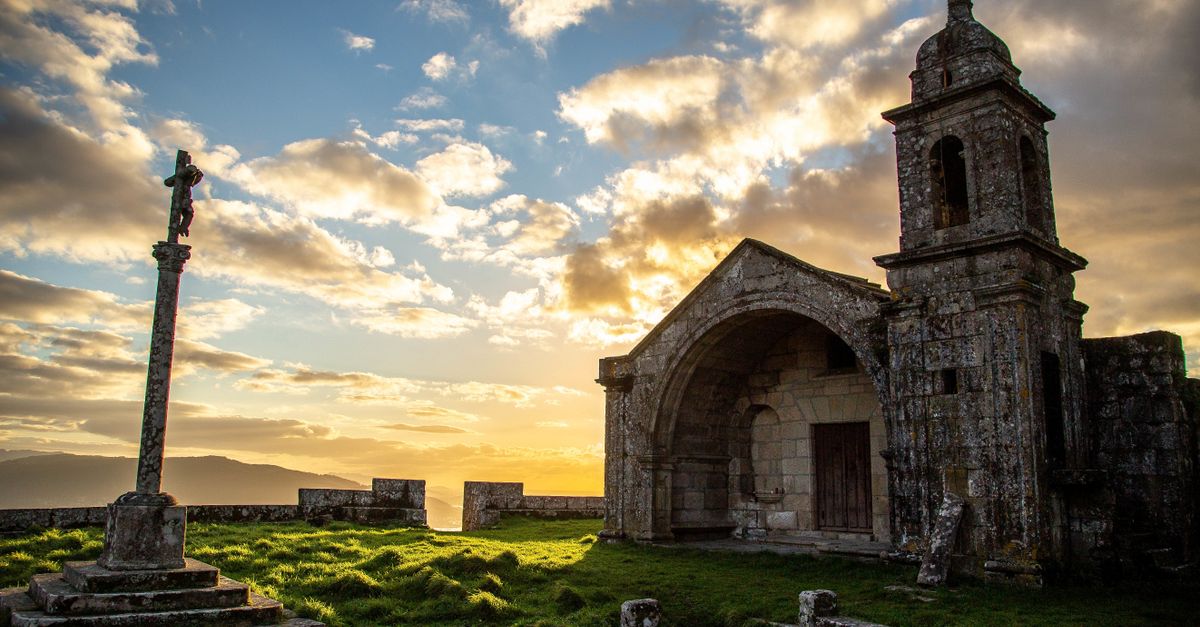
Why go
The event provides a direct view of rural devotion. The 'foliões'—devotees fulfilling vows to the saint—participate alongside local groups in regional dress, creating a density of local practice rarely seen in commercialized festivals.
Why you might skip it
Travelers uncomfortable with high noise levels, dense crowds, or sustained religious activity should avoid it. The event prioritizes local participation over visitor logistics, resulting in limited English-language signage or services.
What to do
Observe the processions carrying the image of the saint, watch performances by local folk dance groups, and spend time in the fairgrounds adjacent to the sanctuary.
What to eat
Fairground food such as 'fogaças' and grilled sardines, typically accompanied by local vinho verde served in porcelain bowls.
History & origin
The festival honors São Torcato, an 8th-century bishop martyred by Saracen forces and a primary figure in the Braga archdiocese.
Getting there & around
The festival takes place at the sanctuary in São Torcato, located roughly six kilometers northeast of Guimarães. Frequent local buses connect the town center to the village, though a rental car provides the most flexibility for navigating the surrounding Minho region.
Work out how Romaria de São Torcato connects to another stop
Common planning mistakes
Arriving late on Sunday and missing the primary procession, or failing to secure accommodation in Guimarães early, as the festival draws high attendance from nearby towns.
Less ideal for
Visitors preferring quiet exploration or those who find intense, crowded, or noisy religious environments difficult to navigate.
Practical notes
Expect large, uneven crowds around the sanctuary; wear appropriate footwear. July temperatures in the Minho region are high; prepare for sun exposure.
Where it sits


More history in Porto & North

Capela das Almas
The Capela das Almas on Rua de Santa Catarina is clad in nearly 16,000 blue-and-white azulejo tiles. It documents the regional application of ceramic panels to building exteriors.
Caretos de Podence (Entrudo)
The Caretos de Podence are UNESCO-recognized masqueraders who appear in the village of Podence during Entrudo, wearing fringed costumes and brass bells. The tradition persists as an Iberian pre-Roman custom that alters the routine of this Transmontano village.

Casa da Música
Designed by Rem Koolhaas, Casa da Música is a venue for classical and experimental music in Porto. Its irregular, faceted form is a central piece of the city's modern architecture.

Clérigos Tower
The 76-meter baroque bell tower that defines Porto's skyline, by Nicolau Nasoni.

Guimarães Castle
A 10th-century stone fortification often cited as the origin point of Portuguese statehood.

Igreja de Santo Ildefonso
Situated near Batalha Square, the Igreja de Santo Ildefonso is an 18th-century structure featuring a facade of over 11,000 blue-and-white azulejo tiles. It functions as a primary example of Porto's tile-clad architectural tradition.
We may earn a commission from bookings made through these links. It never changes what we recommend, or what we leave out.