Vinho Verde
The fresh, slightly sparkling 'green wine' of the Minho — low alcohol, high acidity, perfect with seafood and summer.
Recommended. The wine that defines the north coast.
It's a wine style you genuinely can't get elsewhere done well — crisp, lightly effervescent, and made for the Atlantic climate. The Minho is beautiful wine country.
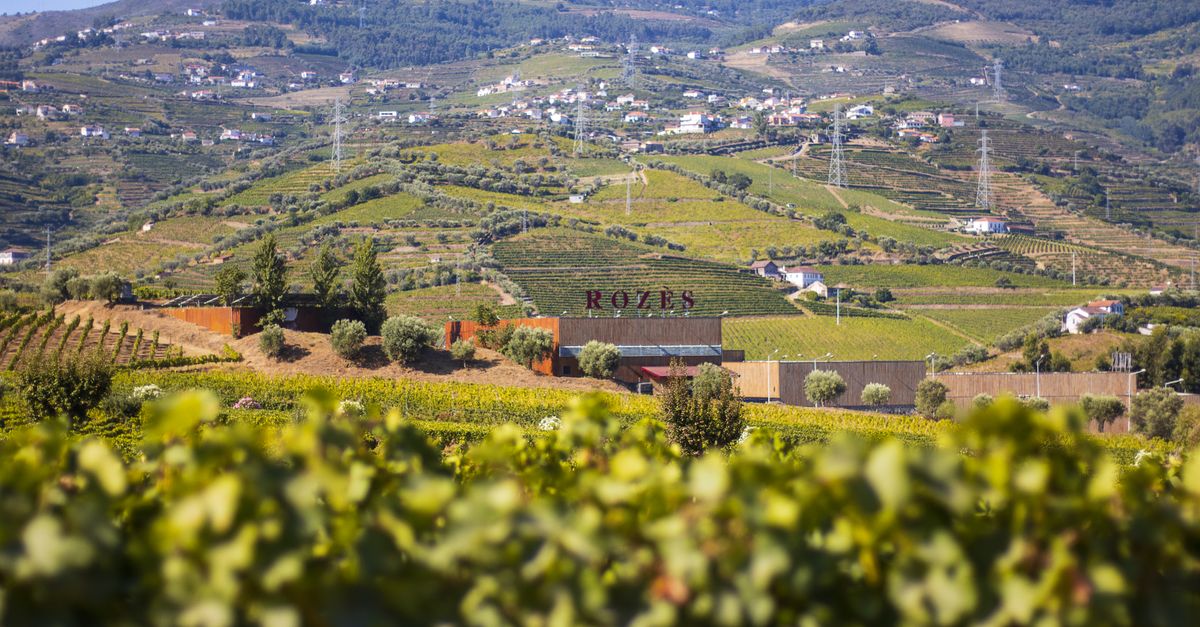
What's in the glass
The classic Vinho Verde profile is one of bracing acidity, low alcohol, and a signature, vibrant freshness. Often marked by a subtle spritz and aromas of green apple, citrus, and saline coastal influence, these wines are the ultimate accompaniment to fresh seafood.
How it came to be
The name 'Green Wine' refers not to the color, but to the youth of the wine, which is traditionally consumed shortly after the harvest. The region has evolved from a tradition of high-trellised vines draped over fruit trees to a modern industry of precision viticulture. It remains one of the few regions where tradition and constant, sparkling refreshment coexist seamlessly.
Best for, and who should skip
Travelers who love green, mountainous scenery and want to pair their afternoons with light, refreshing, low-alcohol wines.
Less ideal for: Travelers seeking the heavy, full-bodied reds characteristic of the Douro Valley or those visiting during the rainy winter months when the region's lush, green landscape becomes notoriously waterlogged and gray.
Skip if: Those looking for heavy, high-tannin reds or complex, oak-aged wines will likely find the focus on youthful acidity underwhelming.
Tours, tastings & getting there
Visiting the Minho is a delight of lush green landscapes, ancient manor houses, and small, family-run estates. The region is best experienced by hopping between small quintas where the owners are often involved in the daily work of the harvest and tasting room.
Getting around: The region is quite dense, allowing for easy travel between estates by car, though the narrow village roads require careful driving.
The Minho experiences high rainfall; visit during late spring or early autumn for the best chance of clear skies for vineyard walks.
When to go
Spring–autumn.
Allow: A day in the Minho
Beyond the tasting room
Visit estates (Quinta de Soalheiro, Aveleda), pair with seafood in Viana.
Pair with

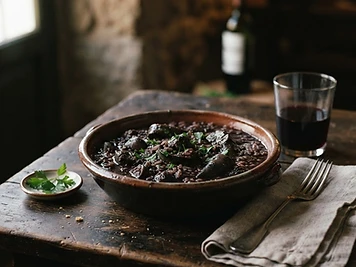
Arroz de Lampreia
A rice stew of lamprey cooked in its own blood — the Minho's most distinctive river dish, in season only.

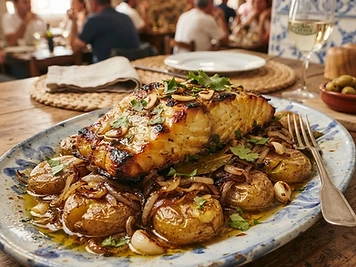
Bacalhau à Lagareiro
Salt cod roasted with olive oil and potatoes — one of the country's most beloved bacalhau preparations, born in the wine country.

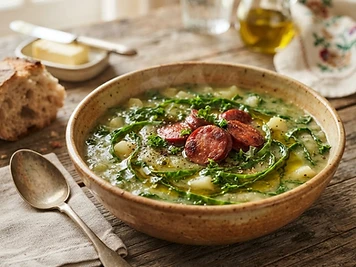
Caldo Verde
The Minho's signature kale-and-potato soup — light, green, and the country's comfort in a bowl.
Other wines to explore
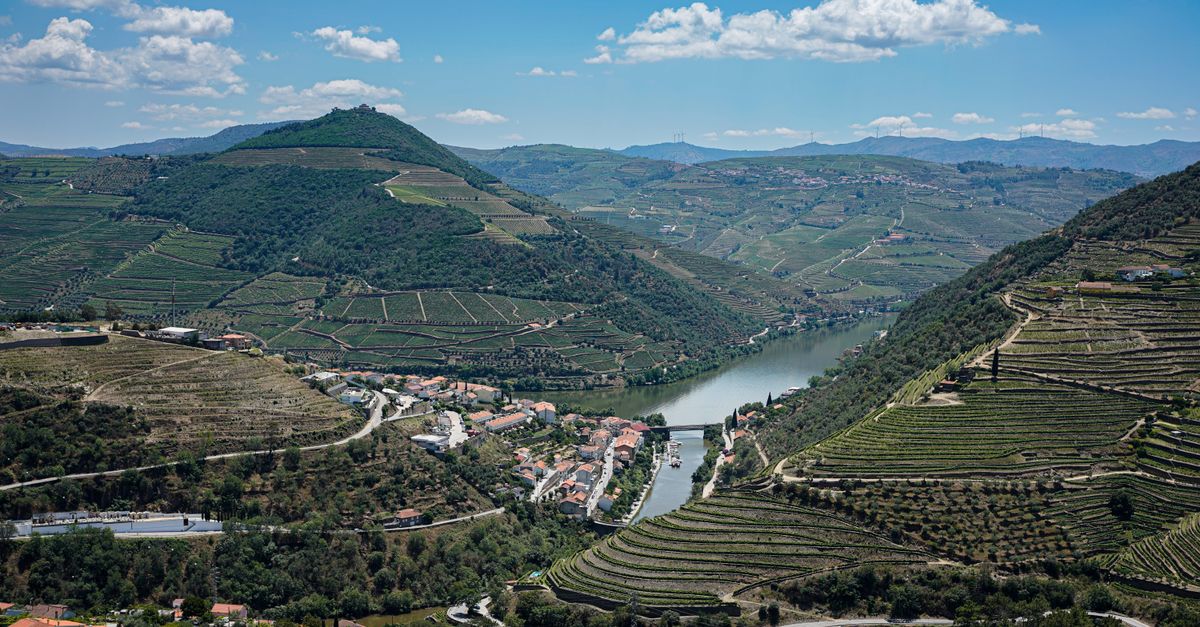
Anselmo Mendes
The winemaker known as 'the father of Alvarinho,' making handcrafted Vinho Verde from his cellar in Monção — including the Contacto and Expressões cuvées that redefined what the region could do.

Aveleda
The largest Vinho Verde producer and one of the most historic — a family estate since 1870, with beautiful gardens (designed by a Swiss landscape architect) and a tasting room an hour from Porto. Casal Garcia, the world's best-selling Vinho Verde, is made here.

Casa de Mateus
The baroque palace on the label of Mateus Rosé — a real 18th-century estate outside Vila Real with manicured gardens, a historic winery and the Trás-os-Montes wine connection. The palace is the draw; the rosé's actual production is long licensed out.
Nearby

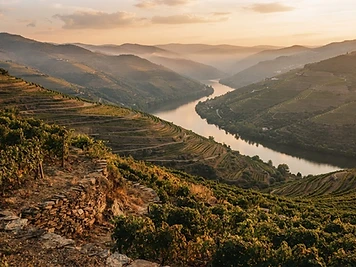
Douro Valley
The world's oldest demarcated wine region — terraced vineyards climbing the banks of the Douro, port's birthplace, and one of the most beautiful river valleys in Europe.

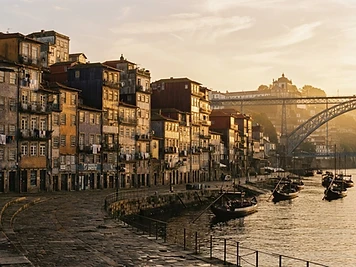
Porto
Portugal's second city — granite, port wine, the Douro waterfront and a working, lived-in heart that Lisbon has partly lost to tourism.
Where it sits


