Niepoort
A maverick house (founded 1842 as a port lodge, now run by Dirk Niepoort) that makes some of Portugal's most admired 'new-wave' Douro wines — Redoma, Batuta, Charme — alongside port and a Vinho Verde project. The Gaia lodge is the tasting base.
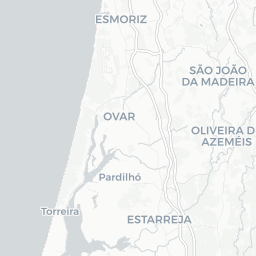
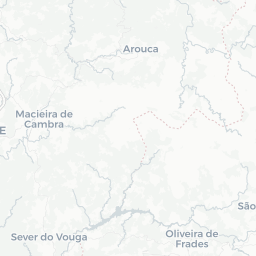
Portugal's most influential artisan winemaker, crossing Douro, Dão and Bairrada; taste at the Gaia lodge.
For Portugal's most influential artisan winemaker, whose wines cross Douro, Dão and Bairrada; taste at the Gaia lodge.

What's in the glass
Niepoort wines are characterized by their intellectual complexity and a refreshing acidity that defies the traditional, heavier style of the region. The wines are often unfined and unfiltered, showcasing pure fruit expression alongside wild, evocative aromatics.
How it came to be
Founded in 1842, the house remained a traditional port shipper until the arrival of Dirk Niepoort, who revolutionized the firm's direction. He pivoted toward minimal intervention and a broader exploration of the Douro's diverse terroir. Today, the house stands as a symbol of the 'new wave' that transformed the Douro into a premier table wine region.
Best for, and who should skip
Collectors and adventurous drinkers who appreciate a non-conformist approach to traditional wine regions.
Less ideal for: Travelers looking for grand, modern architectural showpieces or expansive hospitality centers with full-service lunch restaurants; it is also less suited for those seeking a high-volume, walk-in tourist experience as the focused nature of the tastings requires pre-booked appointments.
Skip if: Casual drinkers looking for sweet, simple fortified wines may find the avant-garde, drier, and more austere Niepoort profile challenging.
Tours, tastings & getting there
Tastings occur at the historic lodge in Vila Nova de Gaia, providing an atmospheric setting to sample both legendary ports and experimental table wines. The experience focuses on the deep history of the port trade juxtaposed with modern viticultural philosophy.
Getting there: Metro to Gaia from Porto.
Getting around: The lodge is accessible by foot from the Gaia waterfront, though the interior involves navigating historic, labyrinthine cellar spaces.
Reservations for the Gaia lodge are mandatory, as the facility does not accommodate walk-ins for professional tastings.
When to go
Year-round.
Allow: Half a day
Beyond the tasting room
Book a lodge tasting in Gaia to try Redoma and the tawny ports; the lodge is walkable from the port lodges strip.
Pair with

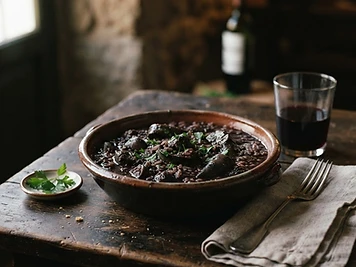
Arroz de Lampreia
A rice stew of lamprey cooked in its own blood — the Minho's most distinctive river dish, in season only.

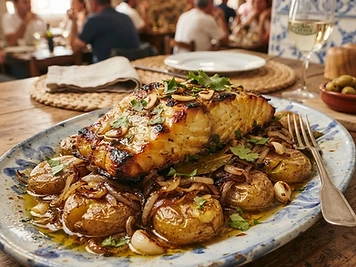
Bacalhau à Lagareiro
Salt cod roasted with olive oil and potatoes — one of the country's most beloved bacalhau preparations, born in the wine country.

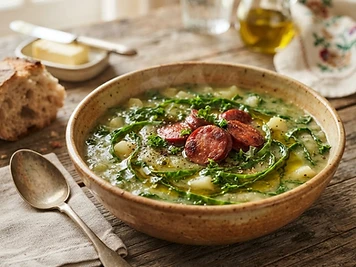
Caldo Verde
The Minho's signature kale-and-potato soup — light, green, and the country's comfort in a bowl.
Other wines to explore
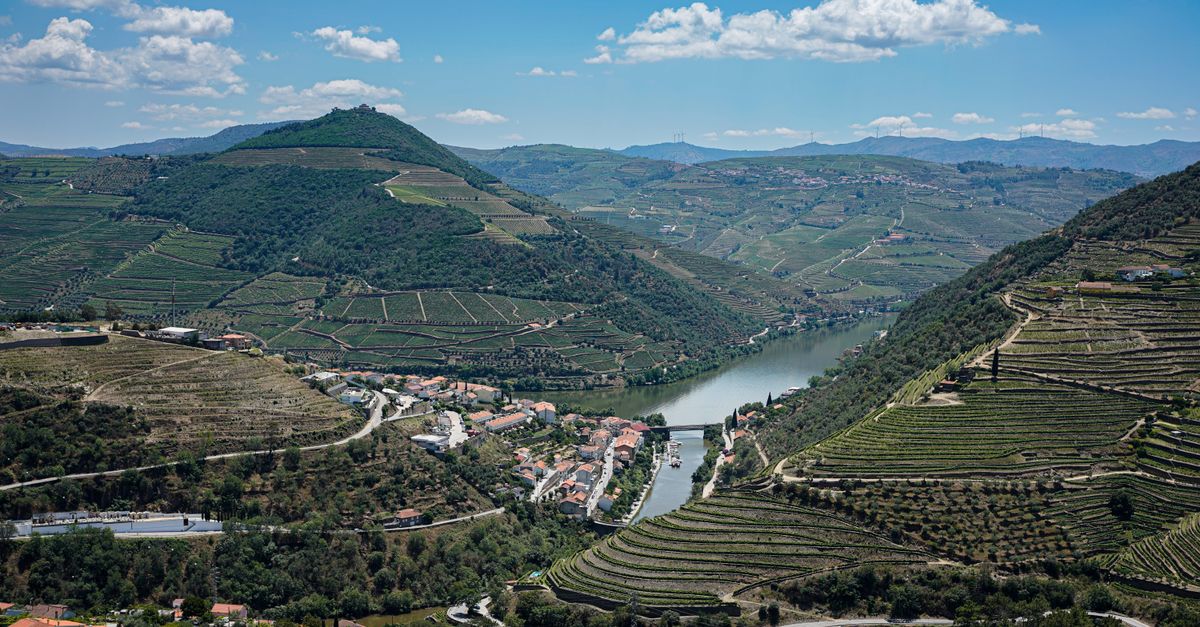
Anselmo Mendes
The winemaker known as 'the father of Alvarinho,' making handcrafted Vinho Verde from his cellar in Monção — including the Contacto and Expressões cuvées that redefined what the region could do.

Aveleda
The largest Vinho Verde producer and one of the most historic — a family estate since 1870, with beautiful gardens (designed by a Swiss landscape architect) and a tasting room an hour from Porto. Casal Garcia, the world's best-selling Vinho Verde, is made here.

Casa de Mateus
The baroque palace on the label of Mateus Rosé — a real 18th-century estate outside Vila Real with manicured gardens, a historic winery and the Trás-os-Montes wine connection. The palace is the draw; the rosé's actual production is long licensed out.
Nearby

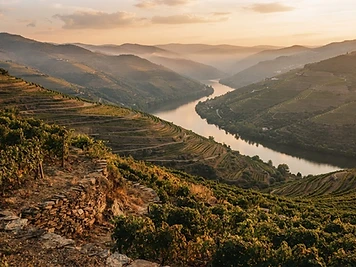
Douro Valley
The world's oldest demarcated wine region — terraced vineyards climbing the banks of the Douro, port's birthplace, and one of the most beautiful river valleys in Europe.

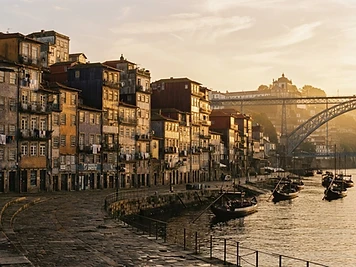
Porto
Portugal's second city — granite, port wine, the Douro waterfront and a working, lived-in heart that Lisbon has partly lost to tourism.
Where it sits