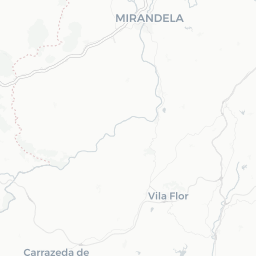
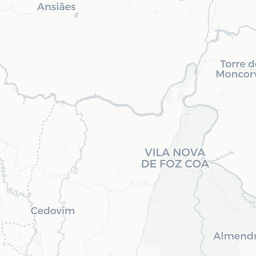
Trás-os-Montes
The harsh, high plateau beyond the Marão mountains — 'behind the mountains' — where old-vine vineyards, chestnut groves and the grand Mateus estate sit among Portugal's most rugged scenery. Reds are robust, whites minerally, and the region is a bastion of vinho de talha (clay-pot) tradition.
Frontier country — raw, beautiful, and home to wines and a palace almost no foreign visitor reaches.
For the landscape, the isolation, the clay-pot wine tradition, and the Casa de Mateus.

What's in the glass
Wines from Trás-os-Montes are rugged and untamed, offering robust tannins and a unique, earthy profile influenced by the high-altitude, continental climate. The whites often show impressive body and mineral depth, while the reds carry a wild, untamed fruit character.
How it came to be
Historically isolated by the Marão mountains, the region developed a unique viticultural identity that remained largely disconnected from the rest of Portugal. Its traditions, including the use of ancient clay pots (talha) for fermentation, survived in the shadows of larger, more accessible regions. Only recently has the area begun to receive recognition for its distinctive, old-vine wines.
Best for, and who should skip
The intrepid traveler who wants to explore the 'real' Portugal away from the mainstream tourist circuits.
Less ideal for: Travelers seeking a polished, luxury resort experience or those who prioritize proximity to major international transit hubs, as the lack of high-end hotel infrastructure and remote geography can prove frustrating for those expecting modern convenience.
Skip if: Travelers who prioritize convenience, paved highways, and modern tourism infrastructure may find the region's isolation and ruggedness challenging.
Tours, tastings & getting there
Visiting is an exercise in discovery, as the estates are spread out across a vast, mountainous plateau. The hospitality is traditional and warm, focusing on regional food pairings, home-cooked local delicacies, and a slower pace of life.
Getting there: 1 hr from Porto through the Marão tunnel (T3); Vila Real is the gateway.
Getting around: A robust vehicle is highly recommended as the region is expansive and public transportation is effectively non-existent.
Driving here requires patience, as the roads can be narrow, winding, and mountainous; plan for slower travel times.
When to go
September–October; avoid mid-winter cold.
Quiet in winter; best spring to harvest.
Allow: 1–2 days
Beyond the tasting room
Visit Casa de Mateus in Vila Real, drive the plateau villages, and seek out vinho de talha producers around Valpaços.
Pair with

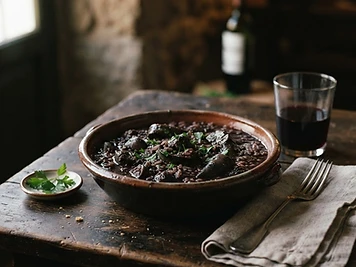
Arroz de Lampreia
A rice stew of lamprey cooked in its own blood — the Minho's most distinctive river dish, in season only.

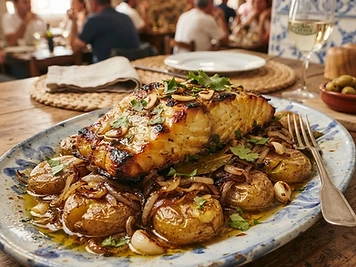
Bacalhau à Lagareiro
Salt cod roasted with olive oil and potatoes — one of the country's most beloved bacalhau preparations, born in the wine country.

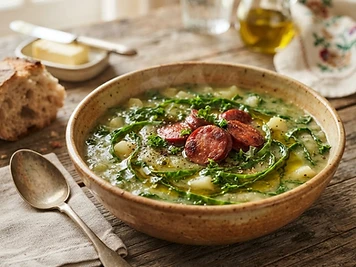
Caldo Verde
The Minho's signature kale-and-potato soup — light, green, and the country's comfort in a bowl.
Other wines to explore
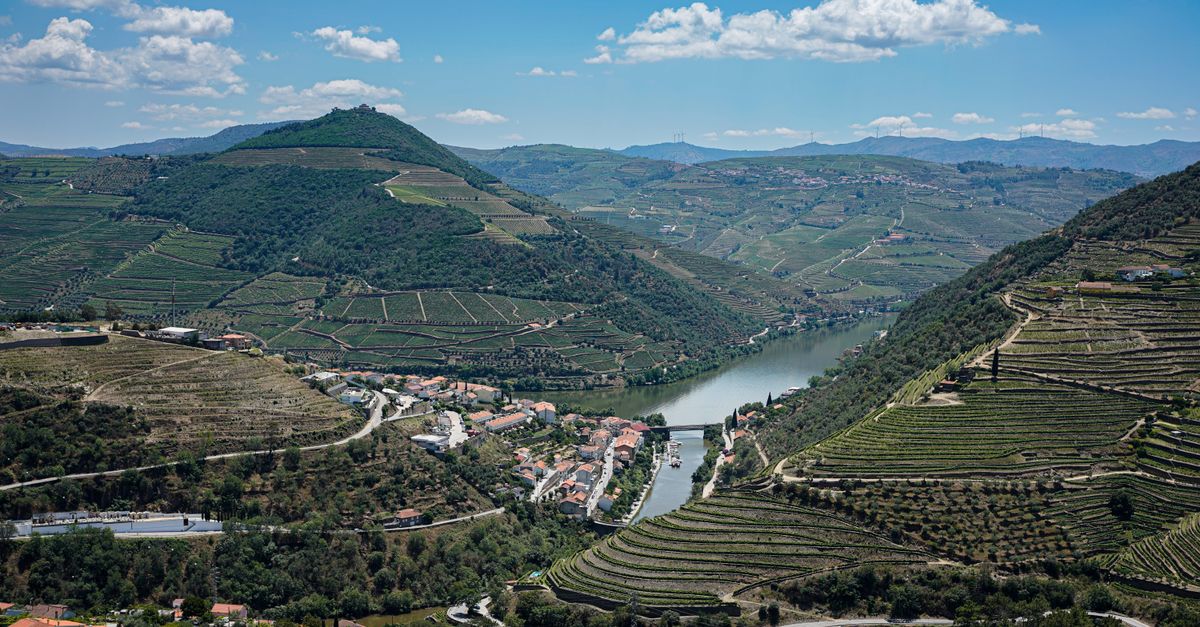
Anselmo Mendes
The winemaker known as 'the father of Alvarinho,' making handcrafted Vinho Verde from his cellar in Monção — including the Contacto and Expressões cuvées that redefined what the region could do.

Aveleda
The largest Vinho Verde producer and one of the most historic — a family estate since 1870, with beautiful gardens (designed by a Swiss landscape architect) and a tasting room an hour from Porto. Casal Garcia, the world's best-selling Vinho Verde, is made here.

Casa de Mateus
The baroque palace on the label of Mateus Rosé — a real 18th-century estate outside Vila Real with manicured gardens, a historic winery and the Trás-os-Montes wine connection. The palace is the draw; the rosé's actual production is long licensed out.
Nearby

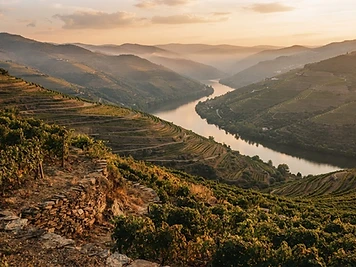
Douro Valley
The world's oldest demarcated wine region — terraced vineyards climbing the banks of the Douro, port's birthplace, and one of the most beautiful river valleys in Europe.

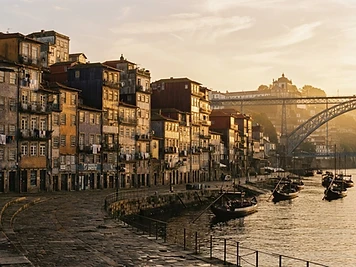
Porto
Portugal's second city — granite, port wine, the Douro waterfront and a working, lived-in heart that Lisbon has partly lost to tourism.
Where it sits