Azores central islands ferry
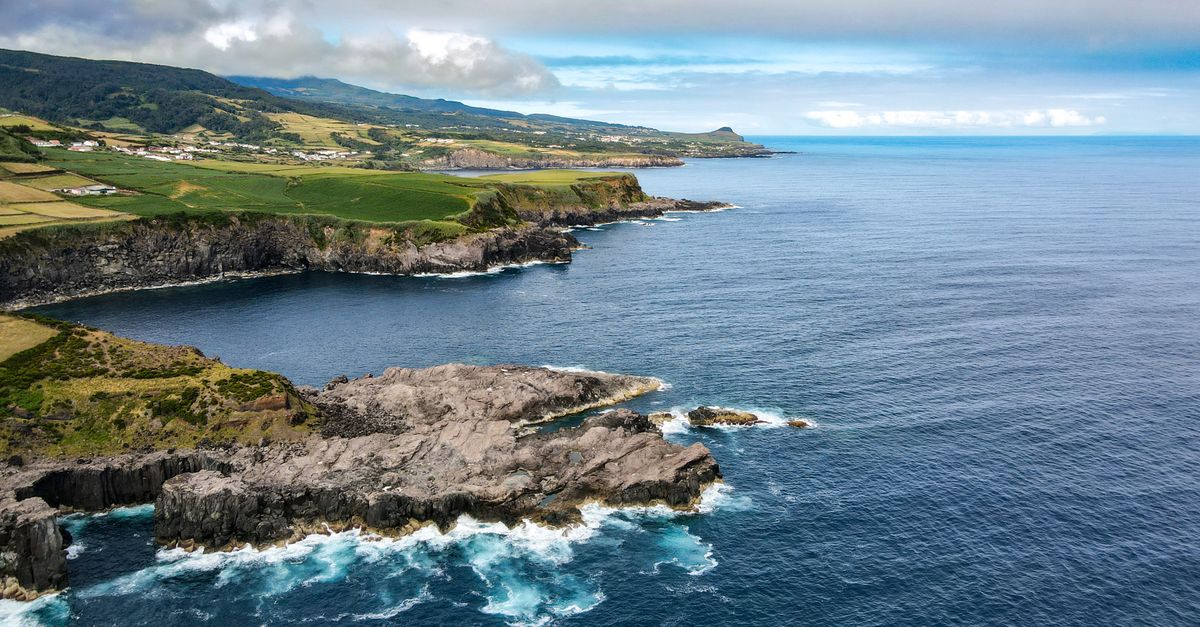
The ferry network connects the central Azores group—Terceira, São Jorge, Pico, and Faial—providing primary transit between these islands. It functions as a regional transport system for residents and travelers.
When to go: December–February
Winter in Portugal prioritizes Atlantic weather patterns over city sightseeing. A trip during these months requires a pragmatic approach to rain and a focus on coastal resilience or inland festivities.

Expect heavy Atlantic swells and consistent rain across the Minho and central coastline. Temperatures in Lisbon and the Alentejo hover between 8 and 15 degrees Celsius, while inland regions like Trás-os-Montes often drop near freezing at night. Madeira remains the anomaly, offering reliable spring-like temperatures, though precipitation remains common in the high peaks.
Madeira dominates the winter calendar, particularly for the New Year fireworks display in Funchal harbor. For those seeking swells, the Carrapateira surf breaks are most consistent during this period, though the water temperature demands a thick wetsuit. Inland, the late winter arrival of the Entrudo de Lazarim and the Caretos de Podence brings traditional masquerade festivals that are less accessible to mass tourism than the summer festival circuit.
The Azores central islands ferry service becomes highly unreliable due to winter storms; restrict movement to a single island to avoid being stranded. Arrábida Natural Park sees reduced access during heavy rain to prevent trail erosion, and the Pulo do Lobo gorge may be too dangerous to approach when the Guadiana River is at peak flow. Avoid mountain regions if driving an economy rental car without experience in high-altitude fog or ice.

The ferry network connects the central Azores group—Terceira, São Jorge, Pico, and Faial—providing primary transit between these islands. It functions as a regional transport system for residents and travelers.

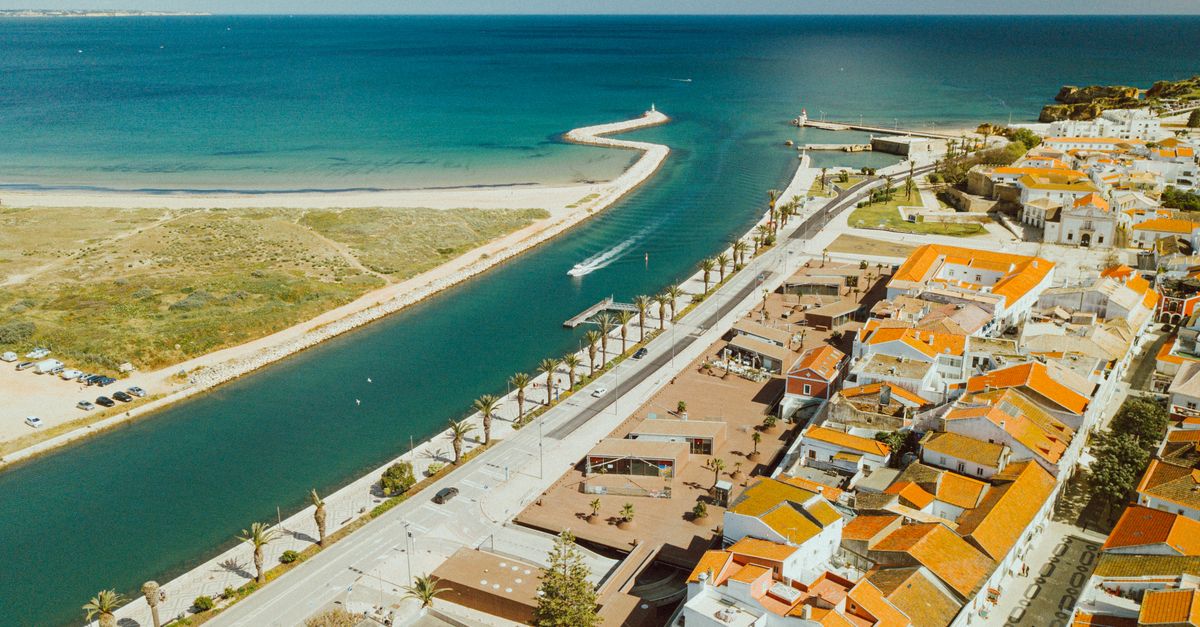
Madeira’s New Year’s Eve fireworks display is a world-record-holding pyrotechnic spectacle that illuminates the natural amphitheater of Funchal Bay. It is widely considered one of the most impressive New Year's celebrations globally due to the dramatic integration of light, sea, and mountainous geography.

Entrudo de Lazarim is a Carnival celebration based on alder-wood devil masks and public reading of satirical poetry. It centers on the craft of local mask-makers in a rural village setting.

The Caretos de Podence are UNESCO-recognized masqueraders who appear in the village of Podence during Entrudo, wearing fringed costumes and brass bells. The tradition persists as an Iberian pre-Roman custom that alters the routine of this Transmontano village.

Carrapateira features two exposed Atlantic surf breaks at Praia da Bordeira and Praia do Amado, backed by limestone cliffs and sand dunes. It is a reliable surf destination in the Algarve, accessible to varying skill levels.

Pulo do Lobo is a gorge in the Alentejo where the Guadiana River is forced through a narrow, jagged rock passage. It serves as a prominent geological feature in the Mértola municipality.

Arrábida Natural Park features a limestone ridge descending into the Atlantic south of Lisbon. The area contains Mediterranean scrubland and endemic plant species protected within a defined ecological sanctuary.