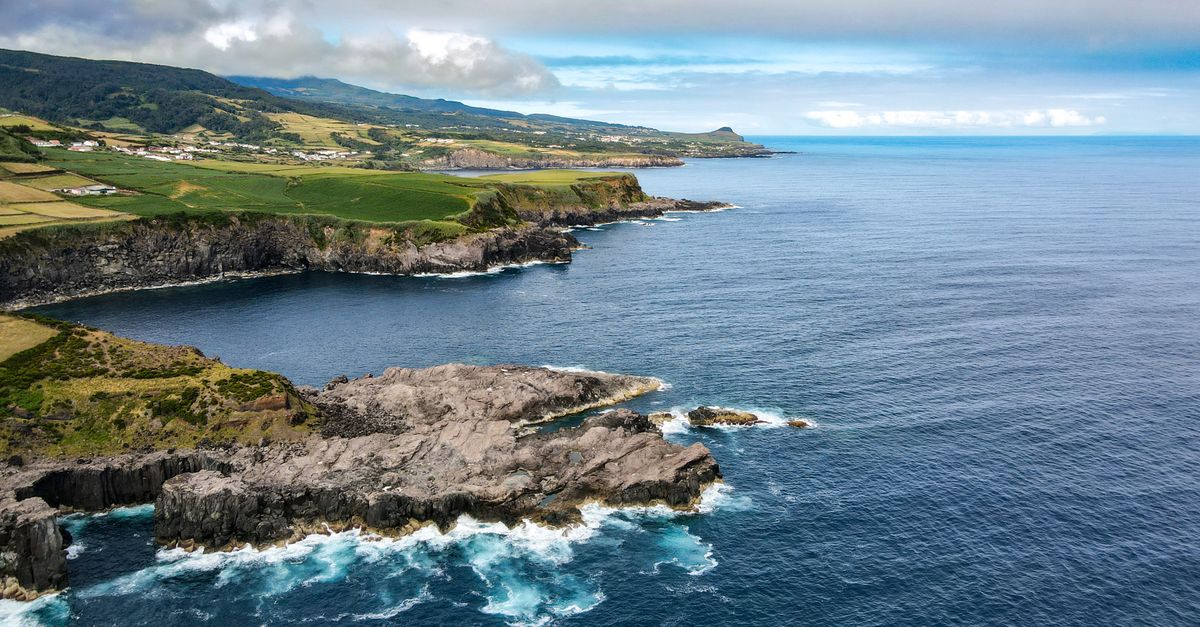
Azores central islands ferry
The ferry network connects the central Azores group—Terceira, São Jorge, Pico, and Faial—providing primary transit between these islands. It functions as a regional transport system for residents and travelers.
When to go: September–November
Autumn in Portugal offers a welcome respite from summer's heat, with fewer crowds and a landscape painted in warmer hues. This period is ideal for exploring the country's diverse regions, from the rolling hills of the Douro to the rugged coastlines. Travelers will find pleasant weather for sightseeing and outdoor activities, though specific conditions vary by region.

September remains warm, especially in the south, often feeling like an extension of summer. By October and November, temperatures cool considerably. Expect average highs in Lisbon to drop from the mid-20s°C in September to around 15°C by November. Rainfall increases, particularly in the north and west, though extended dry spells are common. The Azores and Madeira generally maintain milder, wetter conditions year-round.
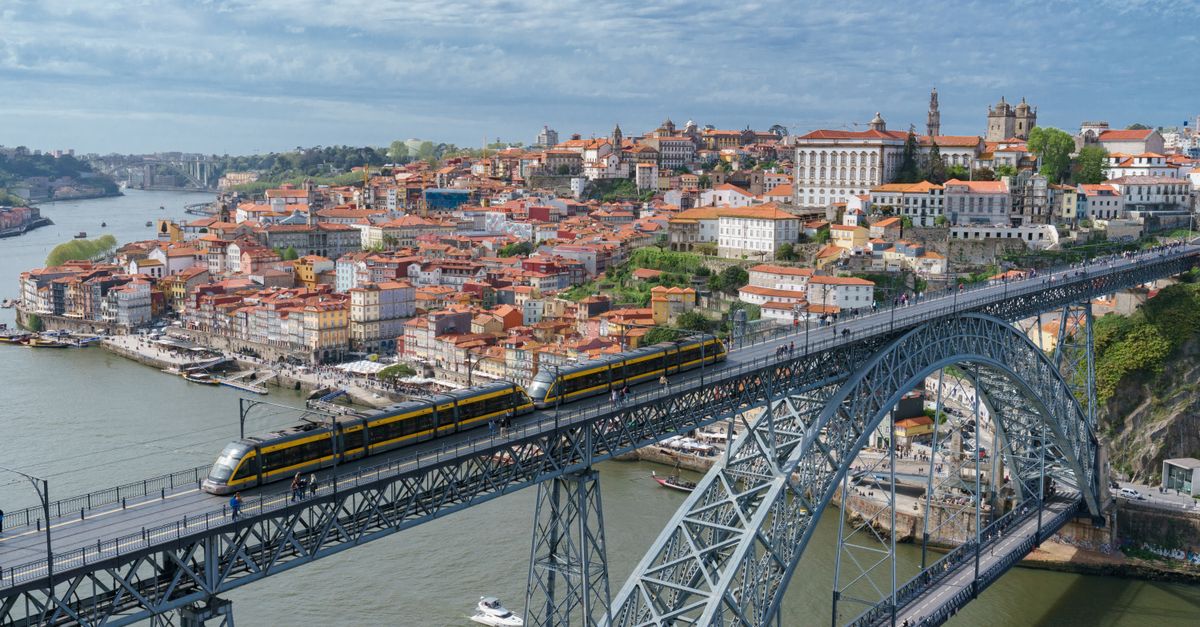
The grape harvest continues into early autumn, making it a prime time for wine regions like the Douro Valley. The Linha do Douro (Douro railway) offers scenic views of the changing vineyards. Inland parks, such as Serra de São Mamede Natural Park, are pleasant for hiking before winter rains set in. Coastal areas remain appealing, though swimming conditions become less inviting.
Cities like Lisbon and Porto are less crowded and more comfortable for exploring in autumn. The Algarve remains popular in September and early October, but the crowds thin considerably thereafter. For dramatic coastal scenery and hiking, consider Madeira, though be prepared for changeable weather. The Azores are also an option, but ferry services between islands, like the Azores central islands ferry, may reduce frequency.
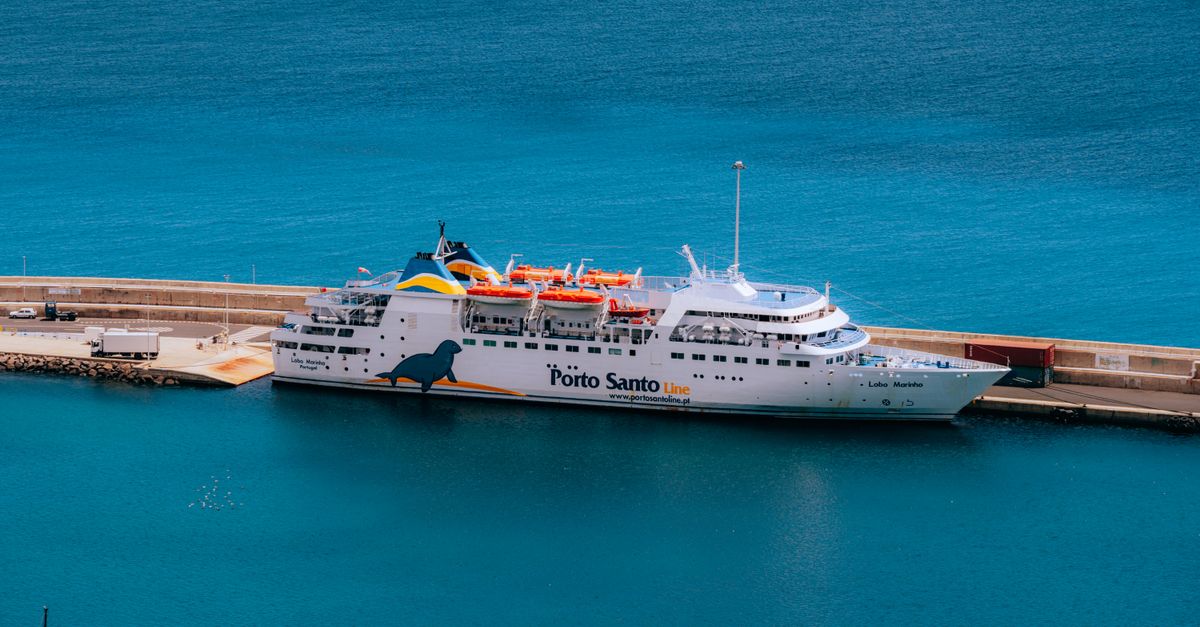
While generally mild, autumn weather can be unpredictable. Heavy rain and strong winds can impact northern and western coastal areas, potentially disrupting outdoor plans or ferry services, such as the Madeira–Porto Santo ferry. Some seasonal attractions or smaller restaurants in beach resort towns may reduce hours or close after the summer peak. Festas da Cidade de Faro typically take place in early September, so plan accordingly if interested.

The ferry network connects the central Azores group—Terceira, São Jorge, Pico, and Faial—providing primary transit between these islands. It functions as a regional transport system for residents and travelers.

The Linha do Douro is a 19th-century rail line tracking the riverbanks into Portugal’s oldest demarcated wine region. It serves as both regional transit and a route through terraced vineyards and slate canyons.

This essential ferry link connects the rugged, mountainous landscape of Madeira to the arid, golden shores of Porto Santo. It serves as the primary lifeline for locals and the most convenient gateway for travelers seeking to swap dramatic cliffs for a nine-kilometer stretch of pristine, therapeutic sand.

Fado de Coimbra is a musical tradition performed by male students and alumni of the University of Coimbra, featuring themes of lost love, student life, and social protest. It is a defining element of the city's academic culture.

The Festas da Cidade de Faro marks the anniversary of Faro's elevation to city status with concerts, exhibitions, and public events. It provides a local perspective on the city's civic identity.

Serra de São Mamede is an ecological meeting point where Mediterranean, Atlantic, and Continental climates converge to create a mountain microclimate in the eastern Alentejo. It contains the highest range south of the Tagus, characterized by granite crags, chestnut forests, and deep valleys that contrast with the surrounding plains.

Arrábida Natural Park features a limestone ridge descending into the Atlantic south of Lisbon. The area contains Mediterranean scrubland and endemic plant species protected within a defined ecological sanctuary.