Linha do Douro (Douro railway)
The Linha do Douro is a spectacular 19th-century railway line that clings to the riverbanks, cutting deep into the heart of Portugal’s oldest demarcated wine region. It serves as both a vital transit artery and a bucket-list scenic journey through terraced vineyards and rugged slate canyons.
This is arguably the most beautiful rail journey in the Iberian Peninsula, transforming a simple commute into an immersive cinematic experience of the Douro Valley.
Why go
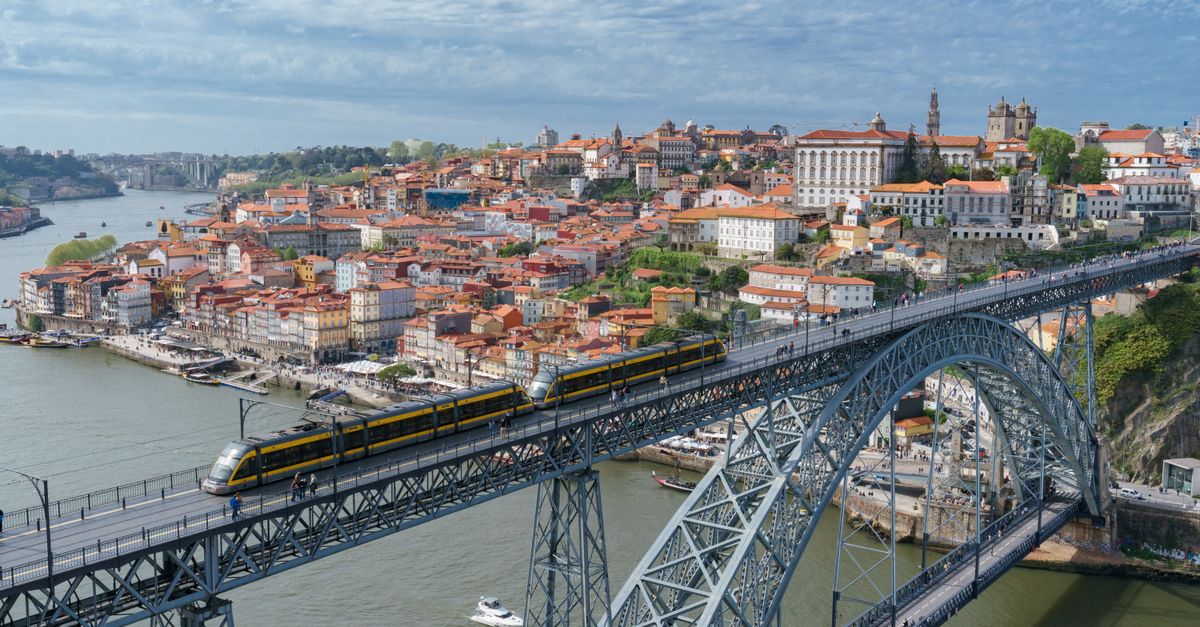
The transition from the urban sprawl of Porto to the golden, sun-drenched terraced hillsides of the Douro is unmatched. As the train snakes alongside the water, passing historic stations decorated with traditional blue-and-white azulejo tiles, the landscape becomes an intimate, ever-changing portrait of viticulture and river life.
Why you might skip it
Travelers expecting high-speed comfort or luxurious onboard amenities may find the regional rolling stock underwhelming. It should also be avoided by those who are strictly time-poor, as the journey to the final station, Pocinho, is slow and deliberate.
What to do
Sit on the right side of the carriage when heading east toward Pocinho for the best views of the river and the terraced slopes. Keep a camera ready for the stretch between Régua and Pinhão, where the track runs closest to the water’s edge through the heart of the UNESCO World Heritage site.
History & origin
Inaugurated in stages between 1873 and 1887, the line was engineered to export the valley's port wine to Porto, overcoming immense topographical challenges with deep cuttings, tunnels, and stone bridges.
Getting there & around
Starts at the historic São Bento station in central Porto, providing an iconic architectural beginning before exiting the city toward the valley.
Common planning mistakes
Getting off at Régua and assuming the best is over; the most dramatic scenery actually unfolds further east toward Pinhão and Tua. Travelers also often forget that the line is a functional regional rail, not a tourist excursion train, so don't expect onboard dining.
Less ideal for
Business travelers on tight schedules or those prone to severe motion sickness on winding, rail-hugging tracks.
Practical notes
Pack snacks and water, as onboard service is limited. Validate your ticket if bought at a counter, and check the CP website for service alerts as infrastructure maintenance occurs occasionally.
Where it sits