By Season

Portugal in Spring

When to go: March–May

Spring in Portugal functions as a short window before the heat and mass tourism set in. Plan for variable conditions and prioritize regions where the landscape retains its moisture and color.

Portugal in Spring

Climatic realities

Expect Atlantic weather patterns to dictate your itinerary. March remains damp and cool, especially in the north and the Serra da Estrela, while April brings unpredictable showers. By May, temperatures stabilize between 18°C and 22°C across the central interior, making it the most reliable period for outdoor activity.

Regional priorities

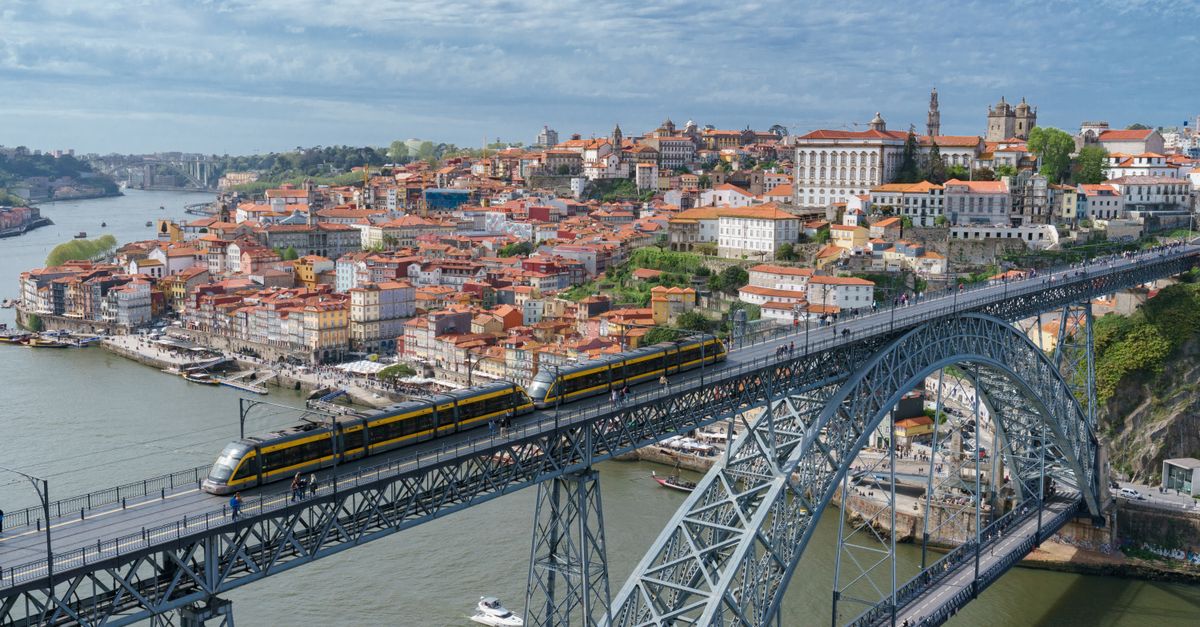
Focus on the Douro Valley, where the Linha do Douro provides transit without the road congestion of the harvest season. The Arrábida Natural Park benefits from spring growth, turning the limestone cliffs lush before the summer sun bleaches the vegetation. In the south, the Ria Formosa Natural Park is most manageable now, avoiding the humidity of July.

Event constraints

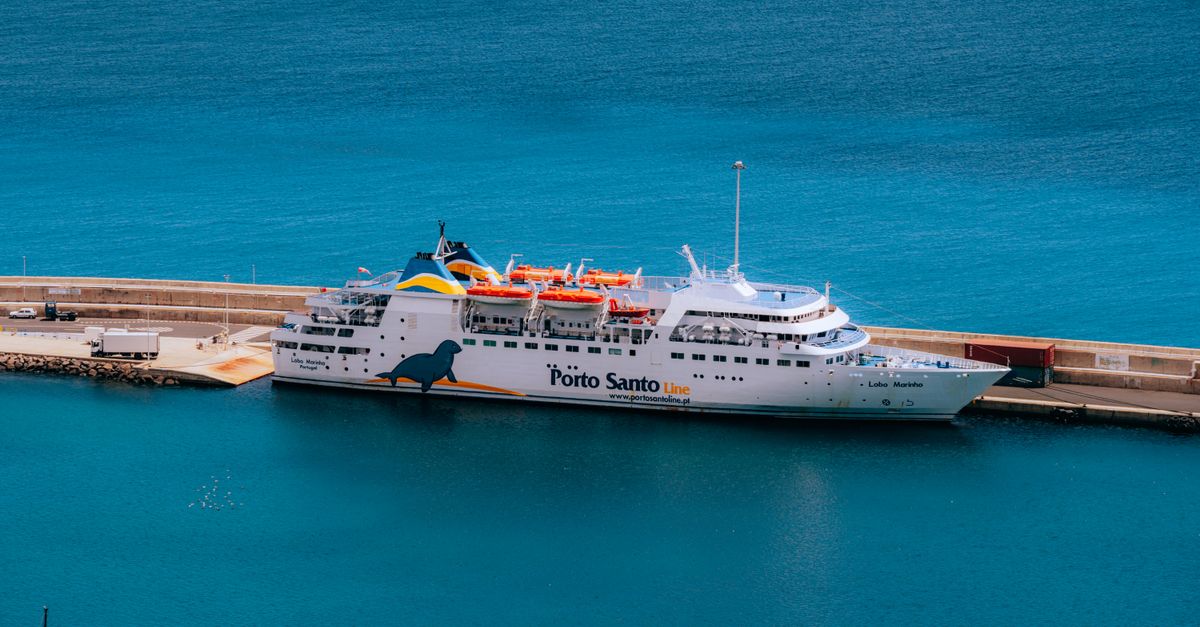
Significant religious observances disrupt logistics. The Peregrinação a Fátima draws massive crowds to central Portugal, complicating road travel. Similarly, the Senhor Santo Cristo dos Milagres in the Azores shifts local transportation availability; confirm ferry schedules, specifically the Madeira–Porto Santo ferry, before committing to island transfers during these dates.

Tactical advice

Avoid the interior Alentejo near Pulo do Lobo if heavy rains have persisted, as river access becomes treacherous. Reserve your rental car well in advance, as spring demand for secondary roads near the coast creates localized shortages. Carry layers; the transition from coastal breeze to inland sun requires frequent wardrobe adjustments.

Worth your time

Places in this guide

Linha do Douro (Douro railway)
Essential
Rail Route· Porto & North

Linha do Douro (Douro railway)

The Linha do Douro is a 19th-century rail line tracking the riverbanks into Portugal’s oldest demarcated wine region. It serves as both regional transit and a route through terraced vineyards and slate canyons.
Madeira–Porto Santo ferry
Essential
Ferry Route· Madeira

Madeira–Porto Santo ferry

This essential ferry link connects the rugged, mountainous landscape of Madeira to the arid, golden shores of Porto Santo. It serves as the primary lifeline for locals and the most convenient gateway for travelers seeking to swap dramatic cliffs for a nine-kilometer stretch of pristine, therapeutic sand.

Senhor Santo Cristo dos Milagres
Essential
Festival· Azores

Senhor Santo Cristo dos Milagres

The Festa do Senhor Santo Cristo dos Milagres acts as the primary religious gathering in the Azores, centered on an ornate procession through Ponta Delgada. It aligns solemn liturgy with the display of street-long floral carpets and elaborate ceremonial dress.

Peregrinação a Fátima
Optional
Festival· Central Portugal

Peregrinação a Fátima

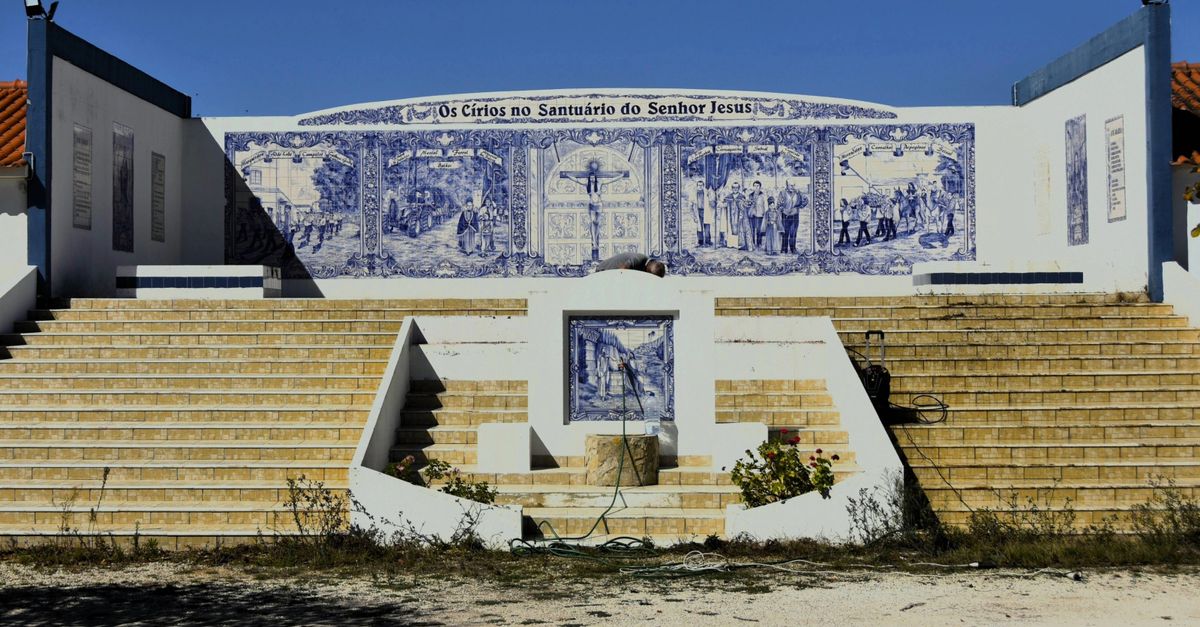
The Peregrinação a Fátima draws hundreds of thousands to the Sanctuary of Fátima to mark the 1917 apparitions of the Virgin Mary. It is a major gathering that defines the religious calendar of Central Portugal.

Ria Formosa Natural Park
Essential
Natural Park· Algarve

Ria Formosa Natural Park

Ria Formosa is a vast labyrinth of barrier islands, marshes, and tidal lagoons that serves as the Algarve’s most vital ecological sanctuary. It acts as a protective buffer between the Atlantic Ocean and the mainland, fostering a unique biodiversity hotspot.

Pulo do Lobo
Recommended
Waterfall· Alentejo

Pulo do Lobo

Pulo do Lobo is a gorge in the Alentejo where the Guadiana River is forced through a narrow, jagged rock passage. It serves as a prominent geological feature in the Mértola municipality.

Arrábida Natural Park
Essential
Natural Park· Lisbon

Arrábida Natural Park

Arrábida Natural Park features a limestone ridge descending into the Atlantic south of Lisbon. The area contains Mediterranean scrubland and endemic plant species protected within a defined ecological sanctuary.

Keep deciding