Festa da Flor (Madeira)
The Festa da Flor is Madeira's spring celebration of its sub-tropical landscape, focusing on floral carpets and fragrant displays throughout Funchal. It marks the arrival of spring with parades and floral architecture.
The festival is a significant event in the island's calendar. It is worth aligning a trip to Madeira with these dates if you prioritize large-scale cultural programming.
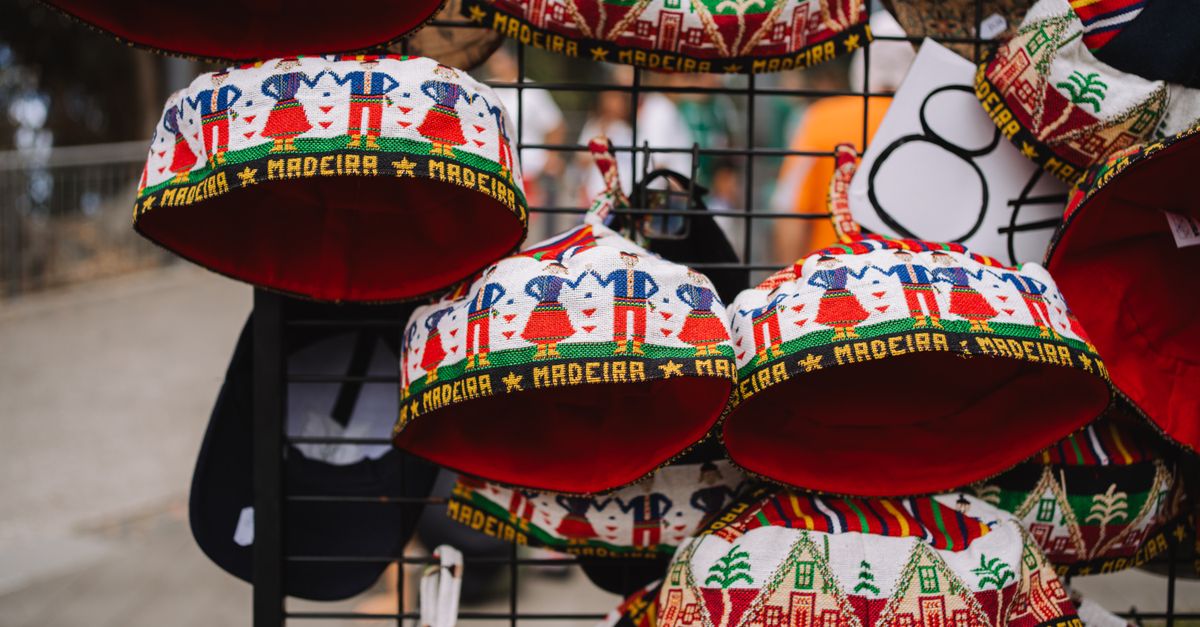
Why go
The event features the Allegoric Parade, where performers in flower-adorned costumes move through the city streets. The focus is on local blooms such as orchids, proteas, and anthuriums.
Why you might skip it
Travelers who dislike dense crowds or loud, energetic parades may find the peak weekend intensity difficult. If you prefer a quiet, contemplative nature retreat, the festival's city-center congestion will disrupt your plans.
What to do
Observe the construction of the 'Wall of Hope' where children place flowers, visit the flower exhibition at Praça do Povo, and walk the central streets to view the floral carpets.
What to eat
Eat local snacks like bolo do caco with garlic butter or drink poncha while watching the processions from a café terrace.
History & origin
Originating in the 1950s as a 'Flower Festival,' the event has grown from a small-scale exhibition into a major tourist draw that emphasizes Madeira's horticultural role.
Getting there & around
The festival takes place across central Funchal and is accessible on foot. If staying outside the city, use the local bus network or taxis, as central parking is restricted and difficult to find during the parades.
Work out how Festa da Flor (Madeira) connects to another stop
Common planning mistakes
Booking accommodation outside of Funchal without accounting for road closures and traffic congestion in the city center.
Less ideal for
Travelers seeking solitude, those with significant mobility issues due to steep hills and crowds, or budget travelers wary of peak-season accommodation prices.
Practical notes
Book hotels months in advance as city-center availability decreases quickly. Wear shoes suitable for cobblestones and carry gear for spring showers.
Where it sits











More history in Madeira
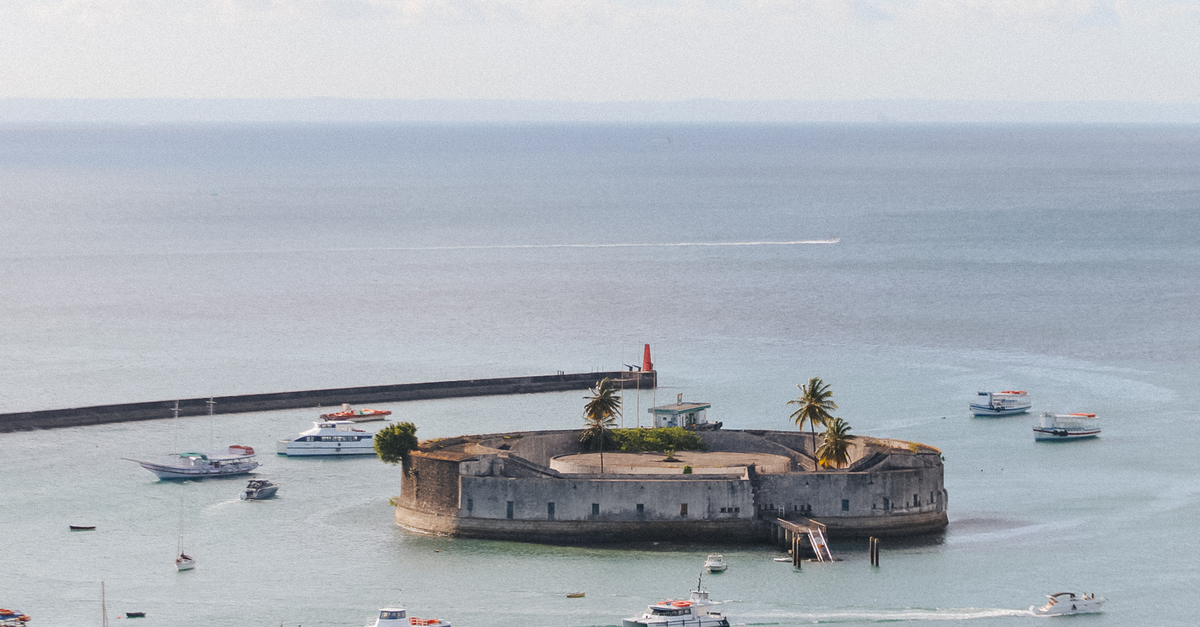
Forte de São Tiago
Forte de São Tiago is a 17th-century yellow fortification on the Funchal harbor. It houses the city's Museum of Contemporary Art and provides views of the coast from its ramparts.

Igreja de São Pedro
The Igreja de São Pedro in Funchal houses 17th-century azulejos and baroque gilded woodwork. It provides a quiet alternative to the primary commercial district, located a few minutes’ walk away.

Igreja do Colégio
The Igreja do Colégio, or Church of São João Evangelista, is a 17th-century Jesuit church in central Funchal. It features gilded wood carvings and azulejo tilework.

Sé do Funchal
Consecrated in 1514, the Sé do Funchal is a primary example of Manueline architecture in Madeira. It remains one of the few structures from the island’s early colonial period to retain its original form.