Sé de Évora
The Sé de Évora is a formidable 13th-century granite fortress-cathedral that stands as the most important religious monument in the Alentejo. Its unique fusion of Romanesque and Gothic architecture makes it a defining silhouette against the Évora skyline.
An absolute essential stop for those who want to understand the monumental scale of medieval Portuguese ecclesiastical architecture.

Why go
The cathedral offers an unparalleled opportunity to walk the rooftop for breathtaking, panoramic views over the terracotta rooftops of Évora and the surrounding Alentejo plains. The interior is a masterclass in austere beauty, featuring a striking Gothic choir and a cloister that provides a peaceful, shaded retreat from the summer heat.
Why you might skip it
Travelers with limited mobility should be aware that the climb to the rooftop involves steep, narrow spiral stairs. Those who prefer highly ornate or gilded interior decoration may find the cathedral's Romanesque simplicity somewhat stark compared to the extravagant baroque churches found elsewhere in Portugal.
What to do
Marvel at the solemn granite nave, admire the 14th-century sculpture of the pregnant Virgin Mary, and ascend the steep steps to the rooftop walkway. Be sure to explore the attached Museum of Sacred Art to view its collection of religious vestments and relics.
History & origin
Construction began in 1186 and was completed in 1250, marking the consolidation of Christian power in the region after the Reconquista. It reflects the transition from Romanesque to Gothic styles and served as a central symbol of Évora’s ecclesiastical importance for centuries.
Getting there & around
Located in the heart of Évora's walled city; parking in the historic core is difficult, so park in the outer lots and walk in.
The site is compact but requires walking on uneven historic stone floors and climbing stairs for the roof access.
Common planning mistakes
Many visitors skip the rooftop climb, which is arguably the highlight of the visit, or neglect to check the museum opening hours, which can occasionally differ from the main cathedral floor.
Less ideal for
Visitors with significant mobility issues or those expecting the dense, gold-leaf intensity of northern Portuguese baroque.
Practical notes
Tickets are required for the roof and cloister access; modest dress is expected as it is a place of worship. Photography is generally permitted without flash.
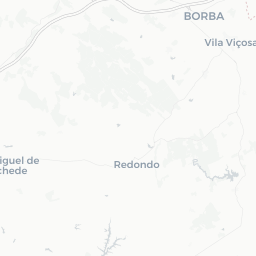
Where it sits