Museu Nacional Soares dos Reis
Occupying the neoclassical Palácio dos Carrancas, the Museu Nacional Soares dos Reis is the country's first national museum. The collection centers on 19th-century Portuguese art and the works of sculptor António Soares dos Reis.
A priority for visitors interested in fine arts and neoclassical architecture who prefer to avoid the high-traffic areas of Porto.

Why go
The museum displays a collection of painting, sculpture, ceramics, and goldsmithery within the Carrancas Palace. The structure and its rear gardens provide a quiet environment for observing 19th-century Portuguese art.
Why you might skip it
Those expecting interactive displays or contemporary installations will find the curation style traditional and concentrated on 19th-century history.
What to do
View the sculptures by António Soares dos Reis, specifically 'O Desterrado'. Review the decorative arts galleries for gold and silver work, and walk through the rear gardens.
History & origin
Established in 1833 as the Museu Portuense by King Pedro IV. The museum relocated to the 18th-century Palácio dos Carrancas in 1940, a building previously occupied by the Duke of Wellington.
Getting there & around
Located on Rua de Dom Manuel II. Accessible via city buses 200, 201, and 207, or by a 10-minute walk from Trindade metro station.
The interior features galleries across multiple levels of the palace, connected by stairs and elevators.
Work out how Museu Nacional Soares dos Reis connects to another stop
Common planning mistakes
Skipping the temporary exhibition spaces or the garden-level display of decorative arts and ceramics.
Less ideal for
Families with young children or travelers with limited time in the city.
Practical notes
Closed Mondays. Flash photography is prohibited. The facility is wheelchair accessible via elevator.
Where it sits





More history in Porto & North
Bom Jesus do Monte
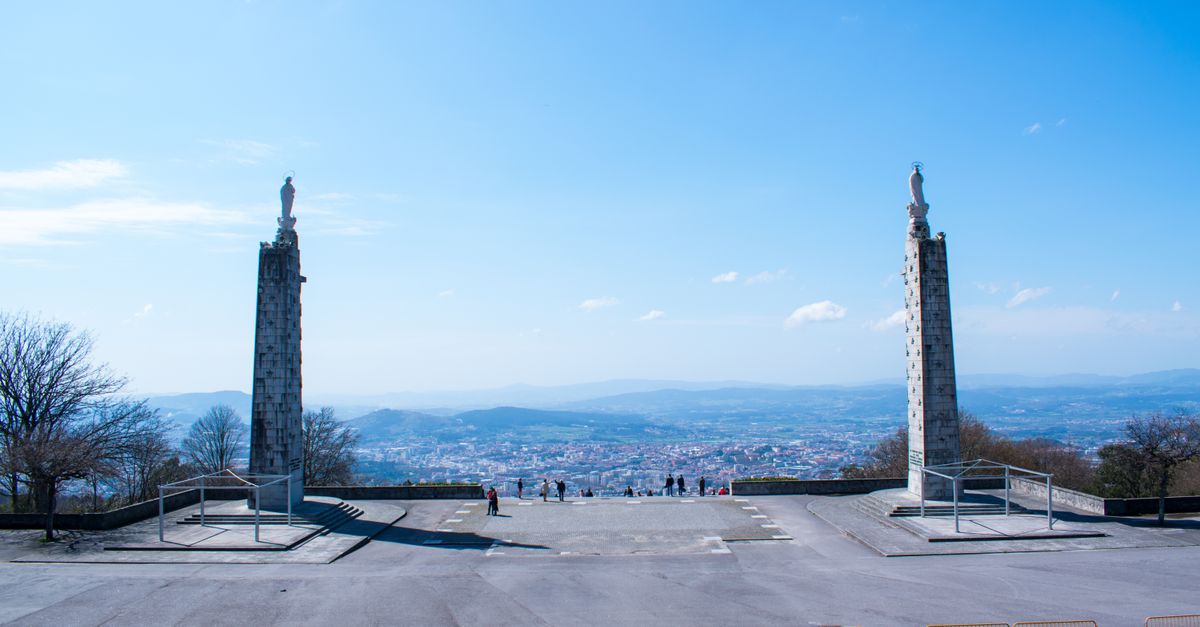
Bom Jesus do Monte is a UNESCO World Heritage sanctuary on a wooded hillside overlooking Braga. The site centers on a Baroque, zig-zagging granite staircase and a 19th-century church.

Capela das Almas
The Capela das Almas on Rua de Santa Catarina is clad in nearly 16,000 blue-and-white azulejo tiles. It documents the regional application of ceramic panels to building exteriors.
Caretos de Podence (Entrudo)
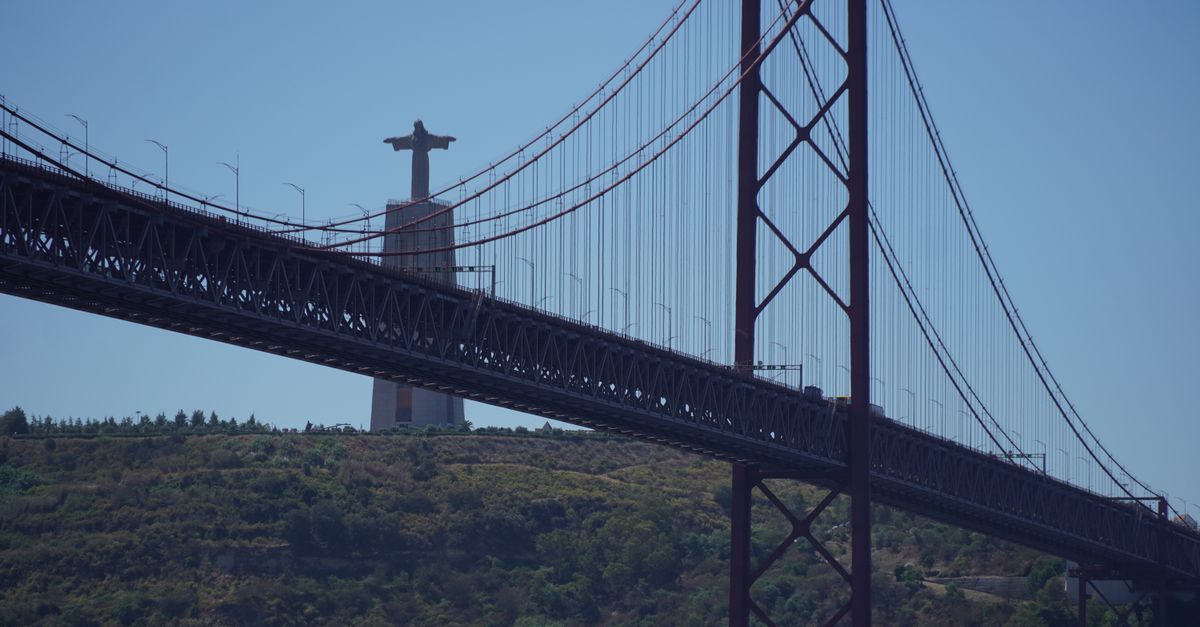
The Caretos de Podence are UNESCO-recognized masqueraders who appear in the village of Podence during Entrudo, wearing fringed costumes and brass bells. The tradition persists as an Iberian pre-Roman custom that alters the routine of this Transmontano village.

Casa da Música
Designed by Rem Koolhaas, Casa da Música is a venue for classical and experimental music in Porto. Its irregular, faceted form is a central piece of the city's modern architecture.

Clérigos Tower
The 76-meter baroque bell tower that defines Porto's skyline, by Nicolau Nasoni.

Festa de São João (Porto)
Festa de São João is a Porto street festival held on the eve of Saint John the Baptist's feast day. The city streets fill with pedestrians carrying plastic hammers and leeks, leading to a midnight fireworks display over the Douro River.
We may earn a commission from bookings made through these links. It never changes what we recommend, or what we leave out.