Caminho Português
The Portuguese Way of St. James — the pilgrim route from Porto (or Lisbon) north into Spain and Santiago de Compostela.
Recommended. One of Europe's great walks, and a quieter Camino than the French route.

Why go
A well-marked, infrastructure-rich walk through Portuguese towns, forests and Galicia. The coastal variant is especially beautiful.
Why you might skip it
It's a multi-week commitment (or a section); not a day trip.
What to do
Walk the Central or Coastal route; stay in albergues and small inns; finish in Santiago.
Getting there & around
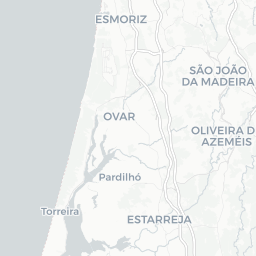
The route begins at Porto Cathedral. Pilgrims depart the city on foot, typically following marked yellow arrows toward Matosinhos or Vilar do Pinheiro to join the coastal or central paths respectively.
Common planning mistakes
Underestimating the physical toll of continuous asphalt walking leads to common foot injuries and fatigue. Many attempt the route without prior conditioning for daily 20-kilometre increments, resulting in burnout by the third day. Relying solely on digital maps often ignores the dense network of official yellow arrows, leading to unnecessary detours into high-traffic urban areas rather than staying on the designated pilgrim path.
Practical notes
Yellow arrows and scallop shell symbols serve as the primary navigation throughout the 240-kilometre route. Public albergues provide low-cost accommodation, though municipal beds are allocated on a first-come, first-served basis. Water points are available in most villages, but hydration supplies are necessary for longer stretches between towns. The terrain consists of a mixture of gravel paths, wooden boardwalks, and paved secondary roads, requiring footwear suitable for hard, repetitive surfaces.
Where it sits





More outdoors in Porto & North

Alvão Natural Park
Alvão Natural Park, a protected landscape in northern Portugal, features granite formations and a topography shaped by glacial activity. It provides terrain for hiking and access to mountain villages.

Douro Valley scenic drive (N222)
The N222 follows the Douro River through Portugal's primary wine region. The road passes directly beneath the terraced vineyards that characterize this UNESCO World Heritage landscape.

Miradouro da Pedra Bela (Gerês)
Miradouro da Pedra Bela provides a view over the Cávado River valley, looking toward the granite peaks and forests of Peneda-Gerês National Park.

Montesinho Natural Park
Montesinho Natural Park occupies the remote northeast corner of Portugal, encompassing high-altitude plateaus, deep river valleys, and chestnut forests. It functions as a protected area for Iberian wolf populations and stone-built villages operating on long-standing communal agricultural practices.

Passadiços do Paiva
Wooden walkways bolted to the gorge of the Paiva river — one of Portugal's most popular outdoor attractions.

Peneda-Gerês National Park
Peneda-Gerês is Portugal’s only national park, a protected region of granite mountains, traditional stone villages, and river pools in the country’s far north. The landscape combines mountain terrain with agricultural practices dating back centuries.