Palácio de Seteais
Palácio de Seteais is an 18th-century neoclassical estate converted into a hotel, situated against the Sintra mountains. It is a known example of the town's period architecture, featuring a central triumphal arch and lines of sight toward the Pena Palace.
This is a quiet location in Sintra for a drink, provided the traveler understands it functions as a hotel rather than a public museum.

Why go
The property features 18th-century gardens and a neoclassical arch that frames the mountain vista. As a hotel, the site provides a quieter environment than the areas surrounding the National Palace.
Why you might skip it
Skip this if seeking a guided room-by-room tour, as the interior is reserved for guests. The property's exclusive nature limits access for non-guests.
What to do
Walk the gardens, view the neoclassical frescoes in the reception area, and order a drink or tea on the terrace facing the valley.
History & origin
Commissioned by the Dutch consul Daniel Gildemeester in the 1780s, the residence was later expanded and hosted guests including Lord Byron. The triumphal arch was added in 1802 to commemorate a royal visit.
Getting there & around
Located on the road toward the Quinta da Regaleira; it requires an uphill walk from the Sintra train station.
The site is compact; garden paths may be uneven.
Common planning mistakes
Assuming the private guest rooms are available for tour; they are restricted to hotel guests.
Less ideal for
Budget travelers and those seeking interactive tours.
Practical notes
Smart-casual dress is standard in dining rooms; booking a table for tea or drinks secures access to the grounds.
Where it sits


More history in Lisbon

Pena Palace
A 19th-century Romanticist palace on a Sintra hilltop, characterized by high-contrast yellow and red towers.

Quinta da Regaleira
An estate of grottoes, tunnels, and an initiation well built for symbolic exploration.

Aqueduto das Águas Livres
The Aqueduto das Águas Livres is an 18th-century stone structure spanning the Alcântara valley. It is notable for its survival of the 1755 earthquake and its status as a primary conduit for Lisbon’s historic water supply.

Belém Tower
A 16th-century fortress on the Tagus, built to protect the harbor and serve as a ceremonial point of departure for maritime explorers.
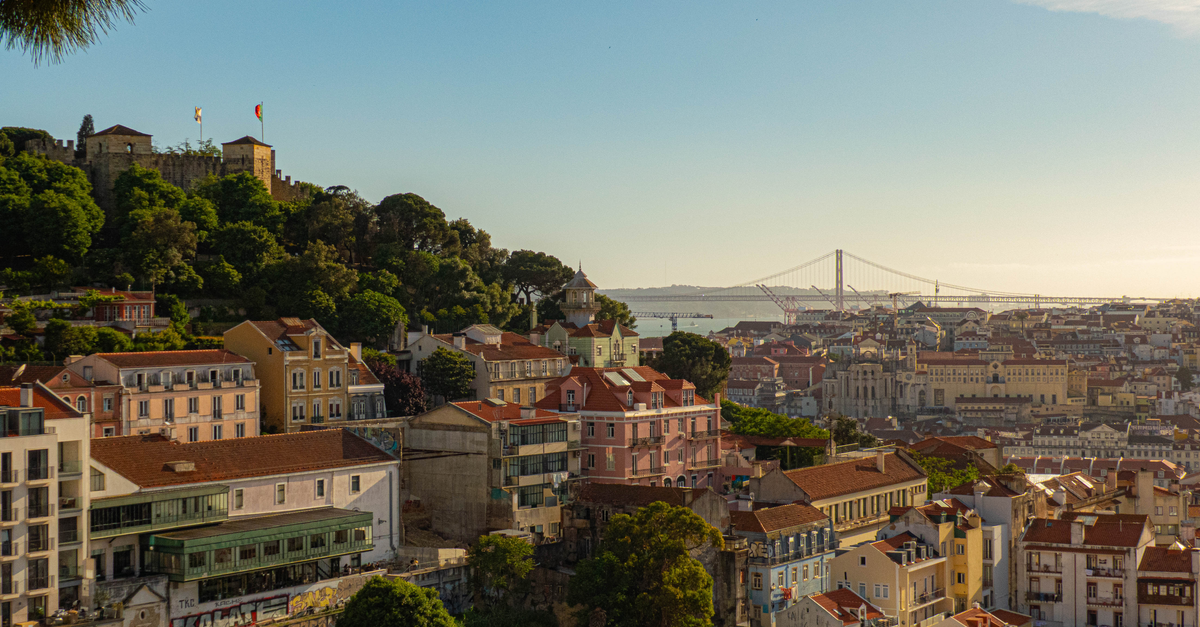
Castelo de São Jorge
Occupying the highest hill in the city, Castelo de São Jorge provides a clear vantage point across Lisbon and the Tagus River. The fortress tracks Lisbon's transition from a Moorish fortification to a royal seat.

Convento do Carmo
The roofless walls of the Convento do Carmo remain from the 1755 earthquake. The site functions as an archaeological museum, displaying a collection of artifacts within the open-air nave.
We may earn a commission from bookings made through these links. It never changes what we recommend, or what we leave out.