Palácio da Bolsa
Commissioned by the Porto Commercial Association, the Palácio da Bolsa is a 19th-century neoclassical building that served as the city's stock exchange. It represents Porto's merchant wealth, anchored by the Salão Árabe, an auditorium designed in the Moorish-revival style.
This building contains the most intricate interior in Porto and serves as a record of the city's 19th-century mercantile power.

Why go
The palace displays the opulence of the 19th-century merchant class through ornate wood carvings, stuccos, and mosaics. The interior culminates in the Salão Árabe, a room designed with Alhambra-inspired decorative elements.
Why you might skip it
Those on a tight budget or with limited interest in 19th-century architecture may find the mandatory guided tour format restrictive. It does not provide the experience of walking through Porto’s medieval streets.
What to do
Entry is restricted to mandatory guided tours. Focus on the glass-domed Pátio das Nações, the Tribunal Room, and the Salão Árabe.
History & origin
Construction began in 1842 on the site of a former Franciscan convent destroyed by fire during the Liberal Wars. The building served as the headquarters for the Porto Commercial Association, hosting heads of state and royalty to signal the city's economic influence during the Industrial Revolution.
Getting there & around
Located in the historic Ribeira district near the Church of São Francisco. It is within walking distance of downtown hotels and the Infante D. Henrique bus stop.
Access is restricted to guided tours; visitors must move through the designated rooms in sequence with their group.
Common planning mistakes
Assuming independent access is possible; tours are scheduled and fill to capacity, leading to potential wait times.
Less ideal for
Travelers who prefer self-guided exploration or those who dislike structured, time-bound group tours.
Practical notes
Tours are conducted in multiple languages; confirm English-language slots online before arrival. Wheelchair access is available in most areas. Photography is permitted, though tripods are generally restricted.
Where it sits





More history in Porto & North
Bom Jesus do Monte
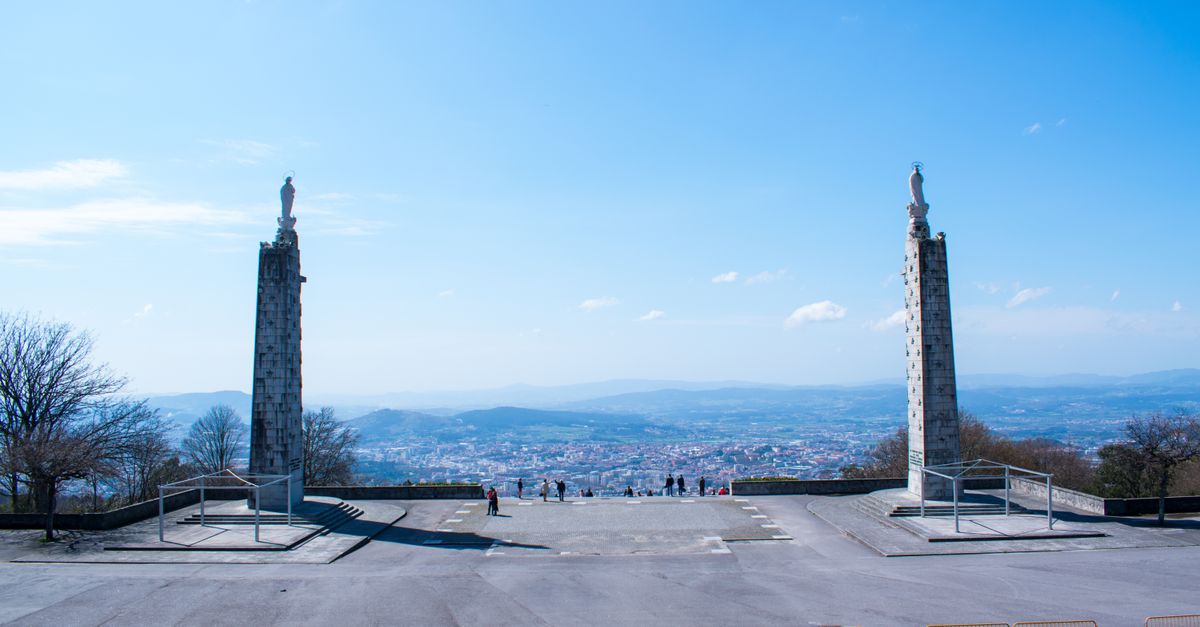
Bom Jesus do Monte is a UNESCO World Heritage sanctuary on a wooded hillside overlooking Braga. The site centers on a Baroque, zig-zagging granite staircase and a 19th-century church.

Capela das Almas
The Capela das Almas on Rua de Santa Catarina is clad in nearly 16,000 blue-and-white azulejo tiles. It documents the regional application of ceramic panels to building exteriors.
Caretos de Podence (Entrudo)
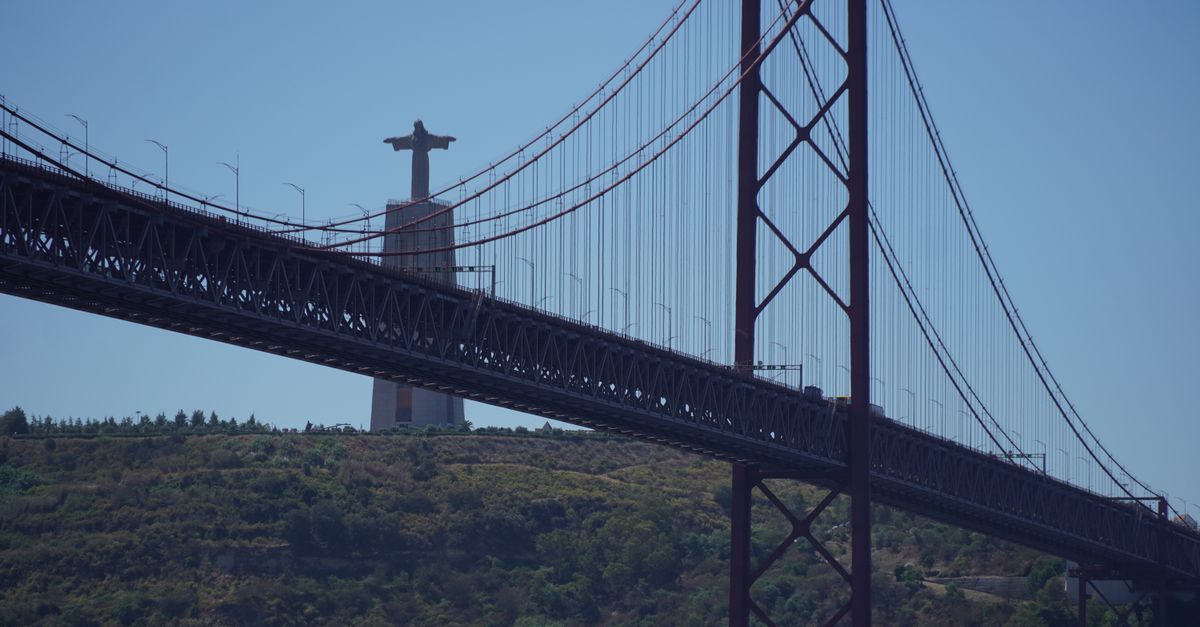
The Caretos de Podence are UNESCO-recognized masqueraders who appear in the village of Podence during Entrudo, wearing fringed costumes and brass bells. The tradition persists as an Iberian pre-Roman custom that alters the routine of this Transmontano village.

Casa da Música
Designed by Rem Koolhaas, Casa da Música is a venue for classical and experimental music in Porto. Its irregular, faceted form is a central piece of the city's modern architecture.

Clérigos Tower
The 76-meter baroque bell tower that defines Porto's skyline, by Nicolau Nasoni.

Guimarães Castle
A 10th-century stone fortification often cited as the origin point of Portuguese statehood.
We may earn a commission from bookings made through these links. It never changes what we recommend, or what we leave out.