Festa do Mar (Cascais)
Festa do Mar is a ten-day August festival in Cascais featuring a mix of religious processions and nightly open-air concerts along the waterfront.
This event adds density to a local itinerary, but it does not merit planning a trip to the Lisbon coast specifically for its schedule.

Why go
The event focuses on regional identity, pairing live music with a maritime-focused religious procession. It represents how the town celebrates its seaside geography during the summer peak.
Why you might skip it
Travelers expecting traditional fado or historical performances may find the mainstream pop and rock musical lineup discordant. High attendance causes significant congestion in the Cascais town center, complicating transit and dining.
What to do
Observe the religious procession of the fishermen, browse regional craft vendors, and attend the evening concerts at Baía de Cascais.
What to eat
Street-stall offerings such as bifanas and grilled sardines, typically accompanied by domestic draft beer.
History & origin
The festival marks the maritime heritage of Cascais, centered on the blessing of fishing boats and prayers for protection at sea.
Getting there & around
The festival is centered on the Baía de Cascais and easily reached by the Cascais Line train from Lisbon’s Cais do Sodré station. Parking in Cascais is severely limited during August; avoid driving and use the rail link instead.
Work out how Festa do Mar (Cascais) connects to another stop
Common planning mistakes
Expectations that music requires tickets; concerts are open and free, requiring early arrival for visibility near the stage.
Less ideal for
Those seeking quiet, isolated locations or individuals who avoid dense, loud crowds.
Practical notes
Street parking in Cascais is limited and often restricted during the event; prioritize regional rail transport.
Where it sits


More history in Lisbon

Aqueduto das Águas Livres
The Aqueduto das Águas Livres is an 18th-century stone structure spanning the Alcântara valley. It is notable for its survival of the 1755 earthquake and its status as a primary conduit for Lisbon’s historic water supply.

Belém Tower
A 16th-century fortress on the Tagus, built to protect the harbor and serve as a ceremonial point of departure for maritime explorers.
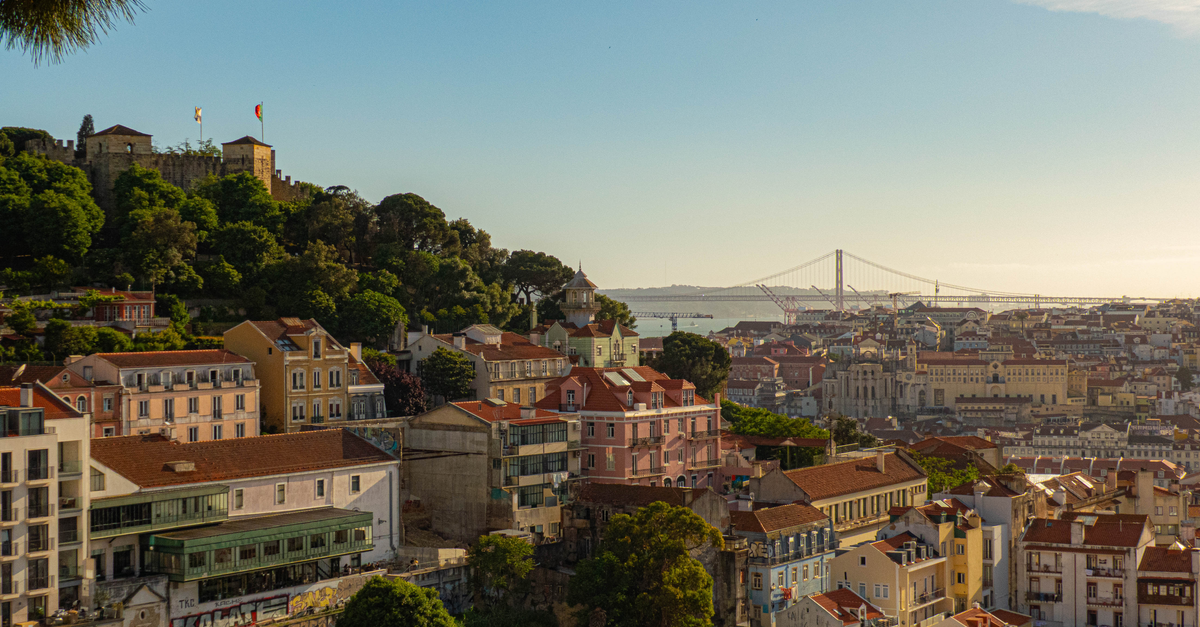
Castelo de São Jorge
Occupying the highest hill in the city, Castelo de São Jorge provides a clear vantage point across Lisbon and the Tagus River. The fortress tracks Lisbon's transition from a Moorish fortification to a royal seat.

Castelo dos Mouros
High above Sintra, the 8th-century Moorish Castle features stone fortifications on granite ridges. The site consists of rugged terrain and ruins distinct from the ornate palaces nearby.

Convento do Carmo
The roofless walls of the Convento do Carmo remain from the 1755 earthquake. The site functions as an archaeological museum, displaying a collection of artifacts within the open-air nave.

Convento dos Capuchos
Tucked into the hills of the Serra de Sintra, the Convento dos Capuchos is a 16th-century monastery where Franciscan monks lived in asceticism. Its design, featuring cork-lined cells and stone-hewn spaces, contrasts with the opulent palaces elsewhere in Sintra.