Quinta dos Roques
A benchmark Dão estate at Mangualde, one of the first to bottle single-varietal Dão wines (Touriga Nacional, Jaen) in the 1990s, with a modernist winery in the heart of the region.
Single-varietal Dão that redefined the region, in a quiet upland estate.
For single-varietal Dão that redefined the region, in a quiet upland estate.

What's in the glass
The wines are benchmarks for the Dão region, showcasing pure varietal expression and the unique granite-based minerality of the estate. They are characterized by refined aromatics, firm structure, and a distinct sense of place.
How it came to be
Quinta dos Roques was a pioneer in the early 1990s, choosing to bottle single-varietal wines when blends were the regional norm. This courageous shift helped set the standard for the modern Dão, inspiring a generation of winemakers to showcase the personality of individual grapes.
Best for, and who should skip
Those interested in the history of Dão's modernization and the pure, varietal-focused style of the region.
Less ideal for: Travelers seeking a festive, high-energy vineyard environment with expansive outdoor dining, full-service catering, or frequent public tours. It is also unsuitable for those looking for a diverse range of activities beyond serious wine education, as there are no on-site luxury amenities, walking trails, or museum facilities.
Skip if: Fans of rustic, 'old-school' cellar environments might find the modern aesthetic of the winery too clean.
Tours, tastings & getting there
The modernist winery provides a striking contrast to the surrounding pastoral landscape. Visits focus on the technical history of the estate, emphasizing its pivotal role in the early 1990s move toward varietal labeling.
Getting there: 1.5 hr from Porto; near Mangualde.
Getting around: The winery is compact and accessible, allowing for a quick and comprehensive walkthrough.
Arrange visits in advance via email. Plan to purchase bottles on-site as the selection is often broader than what is available in retail stores.
When to go
September; May.
Year-round.
Allow: Half a day
Beyond the tasting room
Book a tasting at Mangualde; combine with Quinta do Ribeiro Santo for a Dão day.
Pair with

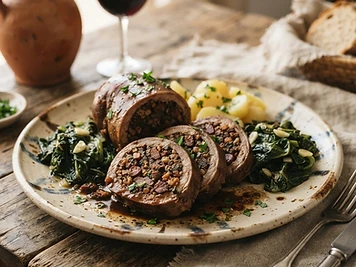
Bucho à Moda de Viseu
Stuffed pork stomach slow-braised in the Dão — a hearty, old-table dish of central Portugal.

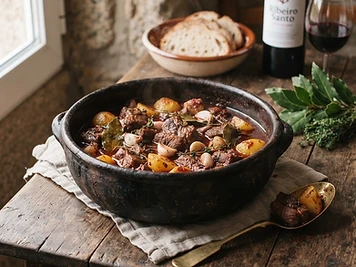
Chanfana
Goat baked in red wine and garlic — a stone-pot, slow-cooked relic of central Portugal.


Fios de Ovos
Egg yolks spun into golden threads of sugar — the most hypnotic of the convent sweets.
Other wines to explore

Bairrada
A small Atlantic-influenced region between Aveiro and Coimbra, the spiritual home of Baga — a tannic, high-acid red grape that, in good years, makes some of Portugal's longest-lived wines. Sparkling wines (espumante) made by the méthode classique are a Bairrada specialty.

Beira Interior
Portugal's highest, coldest wine region, climbing the eastern slopes of the Serra da Estrela toward the Spanish border. Frost and altitude make for nervy whites and peppery reds from autochthonous grapes few outsiders have heard of — Fonte Cal, Síria, Borba das Moscas.

Casa de Saima
A respected Bairrada producer in Cantanhede, known for balanced Baga reds and sparkling wines, with a welcoming tasting room on a working estate.
Nearby
Where it sits