Beira Interior
Portugal's highest, coldest wine region, climbing the eastern slopes of the Serra da Estrela toward the Spanish border. Frost and altitude make for nervy whites and peppery reds from autochthonous grapes few outsiders have heard of — Fonte Cal, Síria, Borba das Moscas.
Unfashionable, little-visited, and quietly producing some of the most distinctive high-altitude wines in the country.
For the deep geographic isolation, the Serra da Estrela backdrop, and wines from grapes grown nowhere else.

What's in the glass
Wines from this high-altitude landscape are characterized by a pronounced nervy tension and freshness. The reds are peppery and structured, while the whites display mineral clarity drawn from the granite and schist soils of the Serra da Estrela slopes.
How it came to be
For centuries, the region served as a rugged buffer zone near the Spanish border, with viticulture remaining largely localized and subsistence-based. Increased focus on indigenous grape varieties in the modern era has elevated this forgotten corner into an emerging frontier for authentic, high-altitude wines.
Best for, and who should skip
Adventurous oenophiles and hikers looking for deep geographic isolation and wines defined by extreme climate.
Less ideal for: Travelers seeking the polished enotourism infrastructure, grand manor estates, and high-density winery clusters found in the Douro or Alentejo.
Skip if: Travelers who prioritize luxury amenities or well-trodden tourist trails will likely find the remote, rugged terrain too demanding.
Tours, tastings & getting there
Visits are intimate affairs focused on the harsh beauty of the eastern highlands. Accessing these remote cellars requires patience and an interest in authentic, rustic hospitality.
Getting there: 2.5 hr from Porto or Lisbon; Covilhã is the regional hub.
Getting around: A robust vehicle is required to navigate the steep, winding roads that connect these high-elevation vineyard plots.
Always check weather conditions before heading into the mountains, as passes can be difficult during winter. Pack light as mountain roads are narrow and winding.
When to go
May–June for wildflowers; September for harvest.
Best avoided in deep winter (snow).
Allow: 1 day
Beyond the tasting room
Visit cooperatives in Celorico da Beira and Covilhã, drive up into the Serra da Estrela, and pair the wines with Serra da Estrela cheese.
Pair with

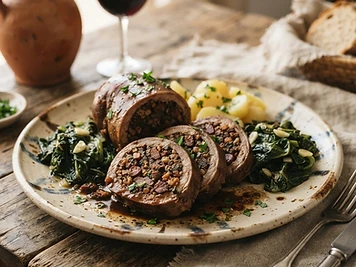
Bucho à Moda de Viseu
Stuffed pork stomach slow-braised in the Dão — a hearty, old-table dish of central Portugal.

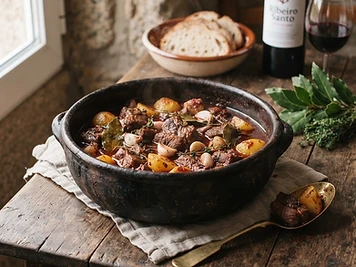
Chanfana
Goat baked in red wine and garlic — a stone-pot, slow-cooked relic of central Portugal.


Fios de Ovos
Egg yolks spun into golden threads of sugar — the most hypnotic of the convent sweets.
Other wines to explore

Bairrada
A small Atlantic-influenced region between Aveiro and Coimbra, the spiritual home of Baga — a tannic, high-acid red grape that, in good years, makes some of Portugal's longest-lived wines. Sparkling wines (espumante) made by the méthode classique are a Bairrada specialty.

Casa de Saima
A respected Bairrada producer in Cantanhede, known for balanced Baga reds and sparkling wines, with a welcoming tasting room on a working estate.

Dão
Portugal's oldest demarcated wine region (1908), a cool granite plateau wrapped by mountains that keeps Dão reds elegant and its whites bright. Touriga Nacional, Alfrocheiro and Jaen define the reds; Encruzado is the white that put the region back on the map.
Nearby
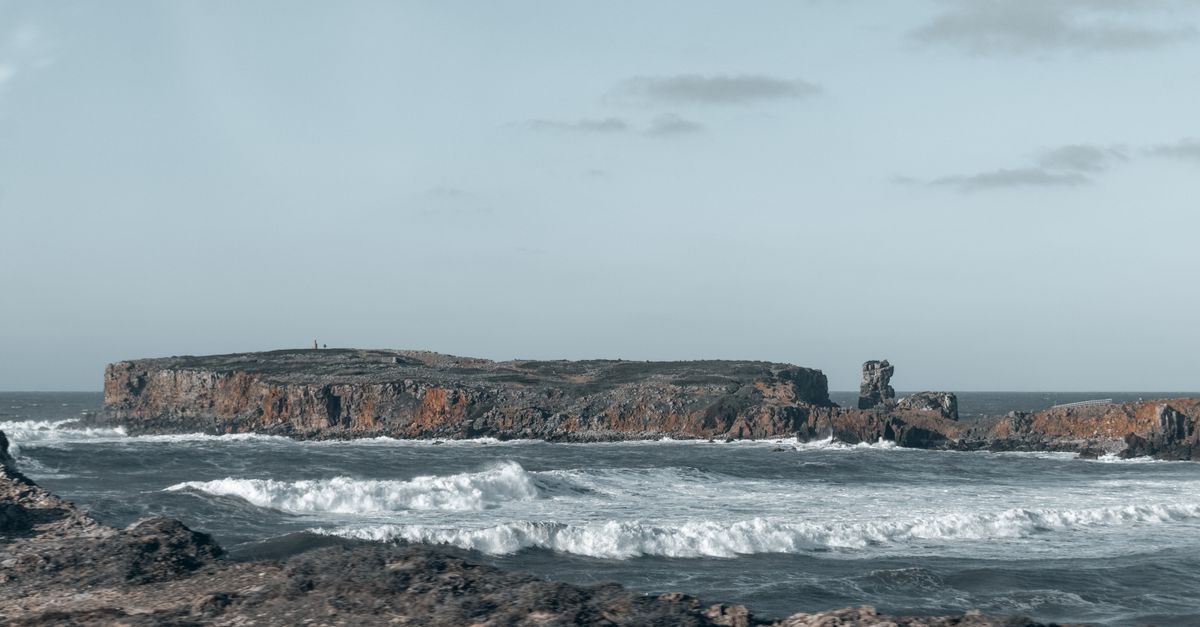
Where it sits


