Bairrada
A small Atlantic-influenced region between Aveiro and Coimbra, the spiritual home of Baga — a tannic, high-acid red grape that, in good years, makes some of Portugal's longest-lived wines. Sparkling wines (espumante) made by the méthode classique are a Bairrada specialty.
Baga is polarizing and Bairrada divides people — but the best producers prove it's one of Portugal's most serious terroirs.
To taste Baga at its best and drink Bairrada sparkling, ideally over a roast suckling pig lunch in Mealhada.

What's in the glass
The region is defined by the formidable Baga grape, which offers high acidity, firm tannins, and a capacity for long-term cellaring. Crisp, mineral-driven espumantes produced via the traditional method further characterize the Atlantic-flecked portfolio of these limestone-rich soils.
How it came to be
Bairrada established its formal identity through a long struggle to prove the noble potential of the Baga grape. While historical exports favored mass-market styles, the late 20th century saw a revolution toward high-quality, terroir-expressive wines. Today, it stands as the premier destination for sparkling wine enthusiasts in the country.
Best for, and who should skip
Serious students of viticulture and food-focused travelers seeking the definitive pairing for roasted suckling pig.
Less ideal for: Travelers seeking dramatic mountain vistas, high-end luxury resort culture, or those who find high-acid, austere red wines unpalatable and prefer the jammy, fruit-forward profiles of neighboring regions.
Skip if: Those seeking the opulent, sun-drenched sweetness of southern regions may find the austerity of Bairrada's high-acid reds challenging.
Tours, tastings & getting there
Visiting Bairrada involves navigating a cluster of family-run quintas often set amid sleepy, agrarian landscapes. Most producers welcome visitors by appointment, frequently pairing tastings with regional culinary staples like leitão da Bairrada.
Getting there: 40 min south of Porto, 25 min north of Coimbra on the A1.
Getting around: The region is best traversed by private vehicle as public transit between the small wine-producing villages is largely non-existent.
Book estate visits at least one week in advance. A car is essential to navigate the flat, scattered geography of the Bairrada vineyards.
When to go
August–October for ripening and harvest.
Cellars open year-round.
Allow: 1 day
Beyond the tasting room
Drive the Mealhada leitão trail for roast suckling pig, visit Luís Pato or Casa de Saima, and taste espumante at a Bairrada cellar.
Pair with

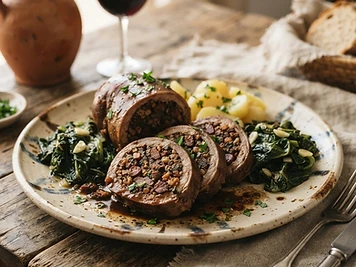
Bucho à Moda de Viseu
Stuffed pork stomach slow-braised in the Dão — a hearty, old-table dish of central Portugal.

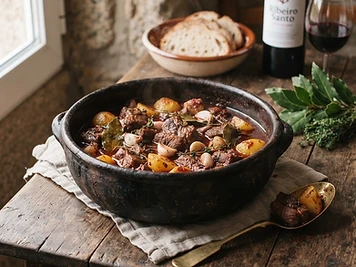
Chanfana
Goat baked in red wine and garlic — a stone-pot, slow-cooked relic of central Portugal.


Fios de Ovos
Egg yolks spun into golden threads of sugar — the most hypnotic of the convent sweets.
Other wines to explore

Beira Interior
Portugal's highest, coldest wine region, climbing the eastern slopes of the Serra da Estrela toward the Spanish border. Frost and altitude make for nervy whites and peppery reds from autochthonous grapes few outsiders have heard of — Fonte Cal, Síria, Borba das Moscas.

Casa de Saima
A respected Bairrada producer in Cantanhede, known for balanced Baga reds and sparkling wines, with a welcoming tasting room on a working estate.

Dão
Portugal's oldest demarcated wine region (1908), a cool granite plateau wrapped by mountains that keeps Dão reds elegant and its whites bright. Touriga Nacional, Alfrocheiro and Jaen define the reds; Encruzado is the white that put the region back on the map.
Nearby
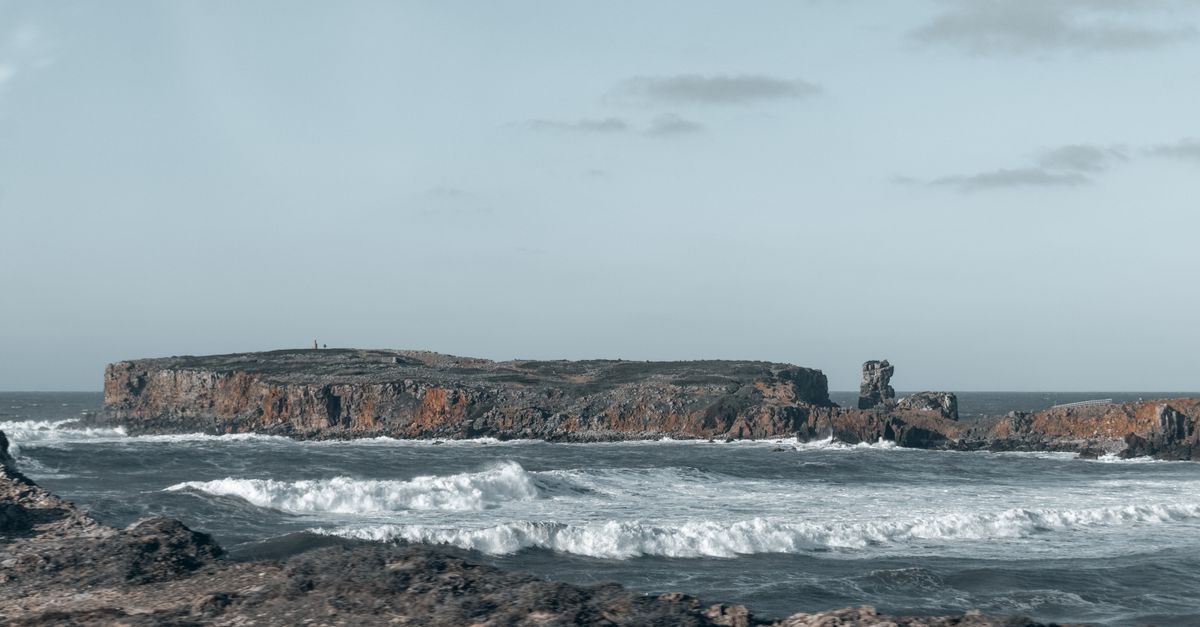
Where it sits


