Quinta do Ribeiro Santo
Carlos Lucas operates this Dão estate in Carregal do Sal. The property produces Dão reds and Encruzado whites. It functions as a working, family-run vineyard with a structured visitor program.
A source for balanced Dão reds and notable Encruzado whites at a family-operated estate.
For accessible, balanced Dão reds and a strong Encruzado white at a working family quinta.

What's in the glass
These wines prioritize food-pairing versatility, pairing the acidity of Dão fruit with moderate body. The Encruzado balances citrus notes with oak influence.
How it came to be
Winemaker Carlos Lucas founded this estate to modernize Dão production. The site integrates traditional viticulture methods with contemporary technical standards.
Best for, and who should skip
Travelers prioritizing a technical tasting session within a quiet, family-managed estate.
Less ideal for: Travelers expecting large-scale amenities like expansive gardens or full-service on-site restaurants, as the operation focuses on viticulture education and private tastings.
Skip if: Those seeking experimental or low-production wine styles may prefer smaller, boutique producers.
Tours, tastings & getting there
The winery hosts a formal visitor program. Tastings are managed by the family to explain the regional winemaking process.
Getting there: Located 1.5 hours from Porto near Carregal do Sal.
Getting around: The site is compact, with tasting areas accessible on foot.
Easy to reach from local hubs; check the website for group booking availability. Carry a note pad to capture the variety of wines poured.
When to go
September for harvest activity or May for temperate weather.
Open year-round.
Allow: 2 to 3 hours.
Beyond the tasting room
Schedule a guided tasting in Carregal do Sal.
Pair with

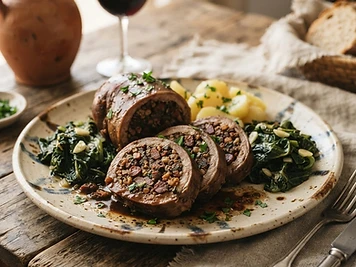
Bucho à Moda de Viseu
Stuffed pork stomach slow-braised in Dão wine; a regional dish of central Portugal.

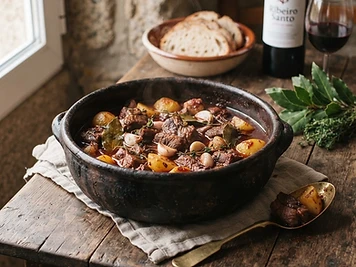
Chanfana
Goat slow-cooked in red wine and garlic within stone or clay pots, specific to central Portugal.


Fios de Ovos
Egg yolks spun into golden threads of sugar — the most hypnotic of the convent sweets.
Other wines to explore

Quinta de Saes
A historic Dão estate (records date to the 12th century) relaunched by winemaker Rui Madeira, focused on old-vine Encruzado whites and elegant reds; a more intimate alternative to the larger quintas.

Quinta dos Roques
A benchmark Dão estate at Mangualde, one of the first to bottle single-varietal Dão wines (Touriga Nacional, Jaen) in the 1990s, with a modernist winery in the heart of the region.

Luís Pato
The Baga standard-bearer — Luís Pato (and now daughter Filipa) championed the difficult Baga grape when others abandoned it, making structured, ageworthy reds from old vines near Mealhada. The estate redefined Bairrada.
Nearby
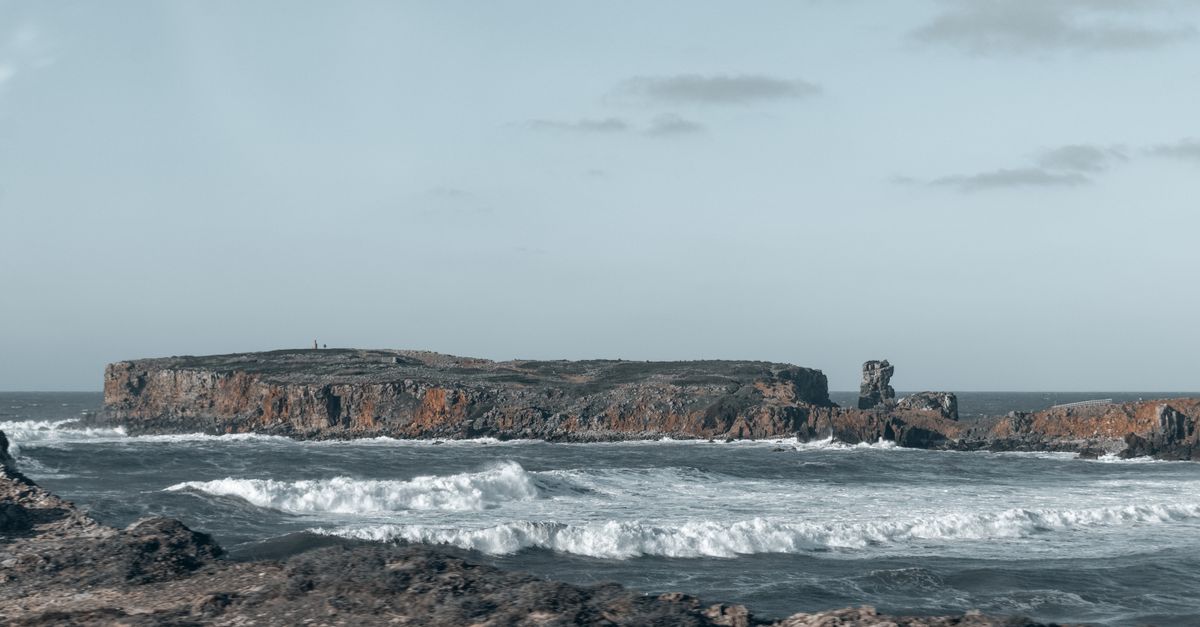
Where it sits


More wine in Central Portugal

Casa de Saima
A respected Bairrada producer in Cantanhede, known for balanced Baga reds and sparkling wines, with a welcoming tasting room on a working estate.

Filipa Pato & William Gavigan
A biodynamic Bairrada project by Filipa Pato and William Gavigan, producing low-intervention Baga and white wines from old-vine parcels, distinct from the traditional styles of the region.

Quinta da Lapa
A Távora-Varosa estate under the Raposeira group, producing méthode-traditionnelle espumante from Malvasia Fina and Bical in a valley near Lamego.

Bairrada
A small Atlantic-influenced region between Aveiro and Coimbra, the home of Baga — a tannic, high-acid red grape that, in good years, makes some of Portugal's longest-lived wines. Sparkling wines (espumante) made by the méthode classique are a Bairrada specialty.

Beira Interior
Portugal's highest, coldest wine region, climbing the eastern slopes of the Serra da Estrela toward the Spanish border. Frost and altitude make for nervy whites and peppery reds from autochthonous grapes few outsiders have heard of — Fonte Cal, Síria, Borba das Moscas.

Dão
Portugal's oldest demarcated wine region (1908), a cool granite plateau wrapped by mountains that keeps Dão reds elegant and its whites bright. Touriga Nacional, Alfrocheiro and Jaen define the reds; Encruzado is the white that put the region back on the map.