Carcavelos
One of Portugal's smallest and most endangered denominations — a fortified wine once prized in the 18th century, now reduced to a handful of surviving producers on the Cascais-Lisbon coast as the city has paved over its vineyards.
Almost-gone fortified wine from the Lisbon suburbs — visit for the history more than the bottle.
For a near-extinct fortified wine and the story of how Lisbon's expansion erased a denomination.

What's in the glass
Carcavelos wine exhibits a complex, oxidative profile defined by notes of toasted nuts, dried apricot, and sweet spice. It is a harmonious, lingering fortified wine that bridges the gap between sherry and tawny port.
How it came to be
Once favored by the aristocracy in the 18th century, the vineyards were eventually consumed by the rampant suburban development of the Cascais coast. Today, only a tiny handful of hectares remain under vine, supported by the local municipality and dedicated winemakers. The wine serves as a liquid monument to the area's agricultural past before it became a bustling urban corridor.
Best for, and who should skip
History buffs and collectors interested in the preservation of endangered wine denominations.
Less ideal for: Travelers seeking the classic, rolling-vineyard aesthetic of the Douro or Alentejo or those expecting a high-volume commercial wine tourism infrastructure.
Skip if: Visitors who are strictly interested in contemporary table wines may find the focus on historical fortified styles too niche.
Tours, tastings & getting there
Visitation is limited to a few remaining producers who open their doors for structured tours focused on the survival of this historic craft. Experiences are often centered on the technical process of long-term aging in barrel rooms.
Getting there: 30 min from Lisbon on the Cascais line.
Getting around: The remaining vineyard plots are clustered, allowing for short transfers by car or even bicycle between the few active producers.
Check for seasonal availability, as several producers operate only by strict appointment during specific times of the year. Public transport via the local train line is a viable option for those staying in Cascais.
When to go
Year-round.
Year-round, limited access.
Allow: Half a day
Beyond the tasting room
Visit the Municipal de Cascais vineyard project preserving Carcavelos, paired with a Cascais day.
Pair with

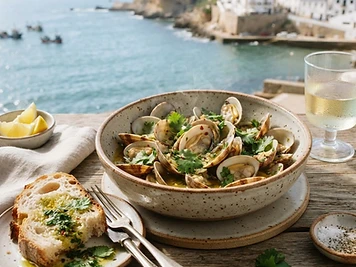
Amêijoas à Bulhão Pato
Clams in garlic, coriander and white wine — the simplest, best shellfish of the Lisbon coast.


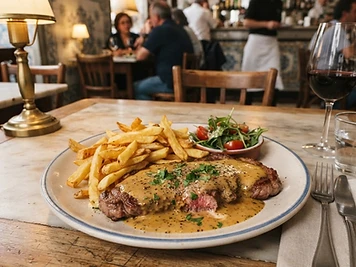
Bife à Marrare
A steak in a mustard-cream sauce — Lisbon's old café-era classic, rarely found elsewhere.
Other wines to explore

Adega de Colares
The cooperative cellar preserving the near-extinct Colares denomination — ungrafted Ramisco vines on the sand dunes above the Sintra coast. Tastings are in a beautiful old Adega and the wines are rare and ageworthy.

Bucelas
A minuscule DOC north of Lisbon producing dry, high-acid whites almost entirely from the Arinto grape — the same grape that gives Champagne-style structure, and which the Duke of Wellington reportedly drank during the Peninsular War.

Casa Cadaval
A historic Mafra estate (since 1647, one of Portugal's oldest wine-producing families), making serious Lisboa reds and whites and the respected Cabernet-based 'Pinot do Conde' from a stud farm and vineyard setting.
Nearby


Where it sits


