Casa Cadaval
A historic Mafra estate (since 1647, one of Portugal's oldest wine-producing families), making serious Lisboa reds and whites and the respected Cabernet-based 'Pinot do Conde' from a stud farm and vineyard setting.
One of Portugal's oldest wine estates, with stud-farm pedigree, near Mafra.
For one of Portugal's oldest wine estates, with stud-farm pedigree, near Mafra.

What's in the glass
The wines range from robust, structured reds with elegant tannins to vibrant, refreshing whites. The estate is noted for its mastery of both indigenous varieties and international grapes like Cabernet Sauvignon, yielding refined and balanced bottles.
How it came to be
Founded in 1647, Casa Cadaval stands as one of the oldest and most significant estates in the Ribatejo region. The lineage of the estate is inseparable from the history of Portuguese nobility and the development of high-quality animal husbandry. Over nearly four centuries, it has transitioned from a feudal agricultural powerhouse to a modern leader in high-end wine production.
Best for, and who should skip
Travelers who appreciate the combination of equestrian history and classic wine estate aesthetics.
Less ideal for: Travelers seeking a modern, high-tech tasting room experience or those prioritising large-scale entertainment facilities and immediate proximity to Mafra's main tourist hub.
Skip if: Travelers expecting a slick, ultra-modern commercial wine experience may find the traditional, rambling nature of a 17th-century farm too informal.
Tours, tastings & getting there
The estate offers a storied atmosphere, combining a working stud farm for Lusitano horses with a traditional winery. Visitors can experience tastings in a grand setting that reflects centuries of aristocratic agricultural legacy.
Getting there: 45 min from Lisbon; near Mafra.
Getting around: The property is vast, and moving from the horse stables to the winery area is best handled by vehicle.
Visits must be arranged by email well in advance due to the private nature of the property. Allocate extra time if hoping to see the horse breeding facilities alongside the winery.
When to go
April–October.
Year-round.
Allow: Half a day
Beyond the tasting room
Book a vineyard and cellar tour; pair with Quinta de Sant'Ana for a Mafra wine day.
Pair with

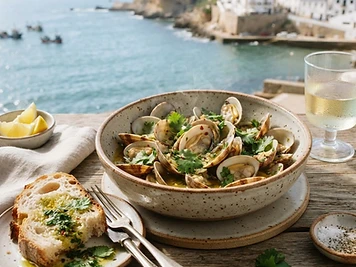
Amêijoas à Bulhão Pato
Clams in garlic, coriander and white wine — the simplest, best shellfish of the Lisbon coast.


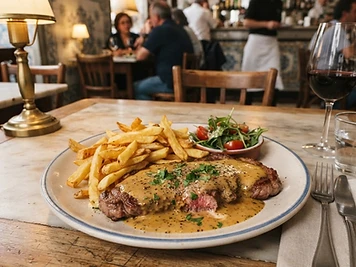
Bife à Marrare
A steak in a mustard-cream sauce — Lisbon's old café-era classic, rarely found elsewhere.
Other wines to explore

Adega de Colares
The cooperative cellar preserving the near-extinct Colares denomination — ungrafted Ramisco vines on the sand dunes above the Sintra coast. Tastings are in a beautiful old Adega and the wines are rare and ageworthy.

Bucelas
A minuscule DOC north of Lisbon producing dry, high-acid whites almost entirely from the Arinto grape — the same grape that gives Champagne-style structure, and which the Duke of Wellington reportedly drank during the Peninsular War.

Carcavelos
One of Portugal's smallest and most endangered denominations — a fortified wine once prized in the 18th century, now reduced to a handful of surviving producers on the Cascais-Lisbon coast as the city has paved over its vineyards.
Nearby


Where it sits


