Bucelas
A minuscule DOC north of Lisbon producing dry, high-acid whites almost entirely from the Arinto grape — the same grape that gives Champagne-style structure, and which the Duke of Wellington reportedly drank during the Peninsular War.
Tiny, historical, and the best-value serious white in Portugal if you can find it.
For Arinto whites from the original Bucelas denomination, in a quiet valley 30 minutes from Lisbon.

What's in the glass
Bucelas whites are prized for their crystalline structure, sharp citrus notes, and remarkable capacity for evolution in the bottle. These wines mirror the elegance of noble European whites while maintaining a distinctly Portuguese intensity of acidity.
How it came to be
Historically known as the 'Prince of Portuguese Wines,' this region gained international prestige in the 19th century when the Duke of Wellington facilitated its export to England. While it once occupied a vast portion of the landscape, urbanization near Lisbon has restricted its current footprint. The region now stands as a protected enclave focused on preserving its ancestral Arinto traditions.
Best for, and who should skip
Lovers of crisp, high-acid white wines seeking a historic and tranquil rural escape within a short drive of the capital.
Less ideal for: Travelers looking for massive, commercial wine tourism infrastructure, bus tours, or red wine varietals, as the region is strictly defined by its Arinto-based white wine production.
Skip if: Those looking for heavy, high-alcohol red wines will find little to occupy their palate here.
Tours, tastings & getting there
The visiting culture is intimate and deeply rooted in the family-owned estate tradition, emphasizing private appointments and deep dives into viticulture. Tastings are typically conducted in historic manor houses or smaller, boutique winery spaces.
Getting there: 30 min north of Lisbon near Vila Franca de Xira.
Getting around: The region is best navigated by private car, as the narrow, winding valley roads are not conducive to public transport.
Most estates require booking at least 48 hours in advance due to their small, family-run nature. It is advisable to combine visits to maximize the trip.
When to go
Year-round; September for harvest.
Year-round.
Allow: Half a day
Beyond the tasting room
Visit Quinta da Bichinha or Quinta da Romeira, taste Arinto at the source, and pair with a Lisbon day trip.
Pair with

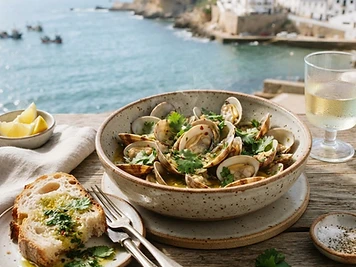
Amêijoas à Bulhão Pato
Clams steamed in garlic, coriander, and white wine—the baseline for Lisbon coastal shellfish.


Bacalhau
Salt cod—the standard protein of the Portuguese pantry, prepared in variations throughout the country.

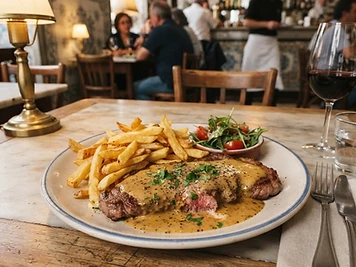
Bife à Marrare
A steak in a mustard-cream sauce — Lisbon's old café-era classic, rarely found elsewhere.
Other wines to explore
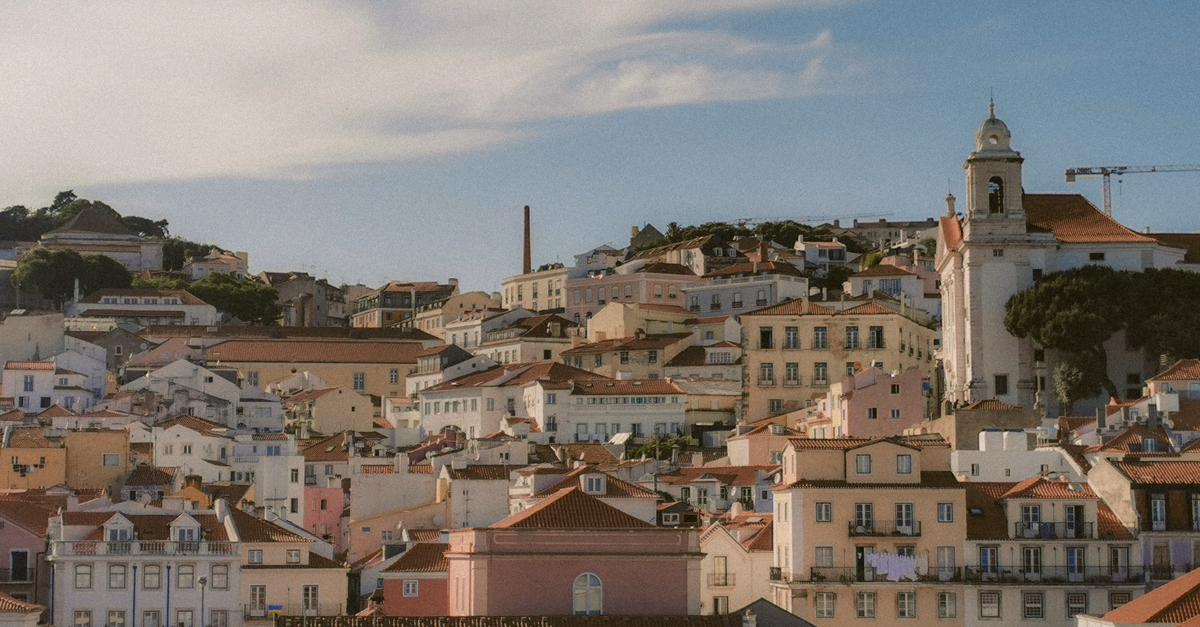
Lisboa
The wine region spreading west and north of Lisbon, extending from the Atlantic-influenced clays of Óbidos to the Arinto whites of Bucelas and the reds of Alenquer. It comprises eight distinct sub-regions.

Carcavelos
One of Portugal's smallest denominations—a fortified wine once prioritized in the 18th century, now reduced to a few surviving producers on the Cascais-Lisbon coast as urban expansion displaced the vineyards.

Colares
A tiny, endangered appellation on the dunes north of Sintra, where ungrafted Ramisco vines survived phylloxera in the sand to produce tannic, ageworthy reds; the Malvasia white is rare and mineral. Fewer than 50 hectares remain.
Nearby


Where it sits


More wine in Lisbon

Palmela
The red-wine heart of the Setúbal Peninsula, where the Periquita grape (Castelão) made its name at José Maria da Fonseca in the 1850s — one of the first branded table wines in Portugal. The Serra da Arrábida gives structure to the reds.
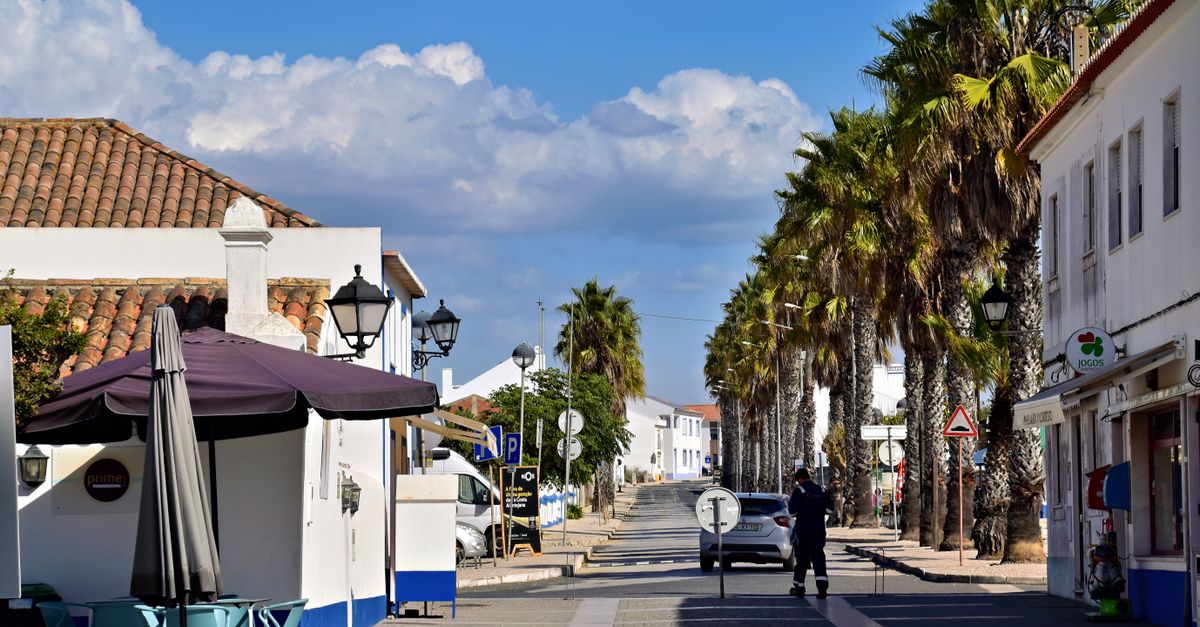
Setúbal Peninsula
A wine region south of Lisbon across the Tagus, defined by fortified Moscatel de Setúbal—made from Muscat grapes on the Arrábida slopes—and dry reds from the Serra's clay-limestone.

Adega de Colares
The cooperative cellar maintaining the Colares denomination, defined by ungrafted Ramisco vines grown in sand dunes above the Sintra coast. Tastings are held in a 1930s-era cellar, focusing on rare, high-tannin reds and saline whites.

Casa Cadaval
Operating since 1647, this Mafra estate represents one of the country's oldest wine-producing families. It produces Lisboa reds and whites, including the Cabernet-based 'Pinot do Conde', within a working stud farm environment.

Casa Ermelinda Freitas
A four-generation Setúbal Peninsula estate at Fernando Pó, one of the most awarded producers of regional reds (Periquita, Trincadeira, Touriga) and a pioneer of women-led winemaking in the region.

Horácio Simões
A small, family-run Setúbal Peninsula house producing traditional Moscatel de Setúbal and natural-method reds—an artisanal, low-intervention alternative to the large Fonseca and Bacalhôa estates.