Lisboa
The sprawling wine region west and north of Lisbon — from the breezy Atlantic clays of Óbidos to the Bucelas Arinto whites and the Alenquer reds. It's eight sub-regions in one, and the most improved wine region in Portugal over the last decade.
No longer Lisbon's quiet neighbour — the new Lisboa whites and single-vineyard reds are genuinely good and easy to reach.
For half-day wine trips out of Lisbon, the rare Colares and Bucelas denominations, and estates like Quinta de Sant'Ana.
What's in the glass
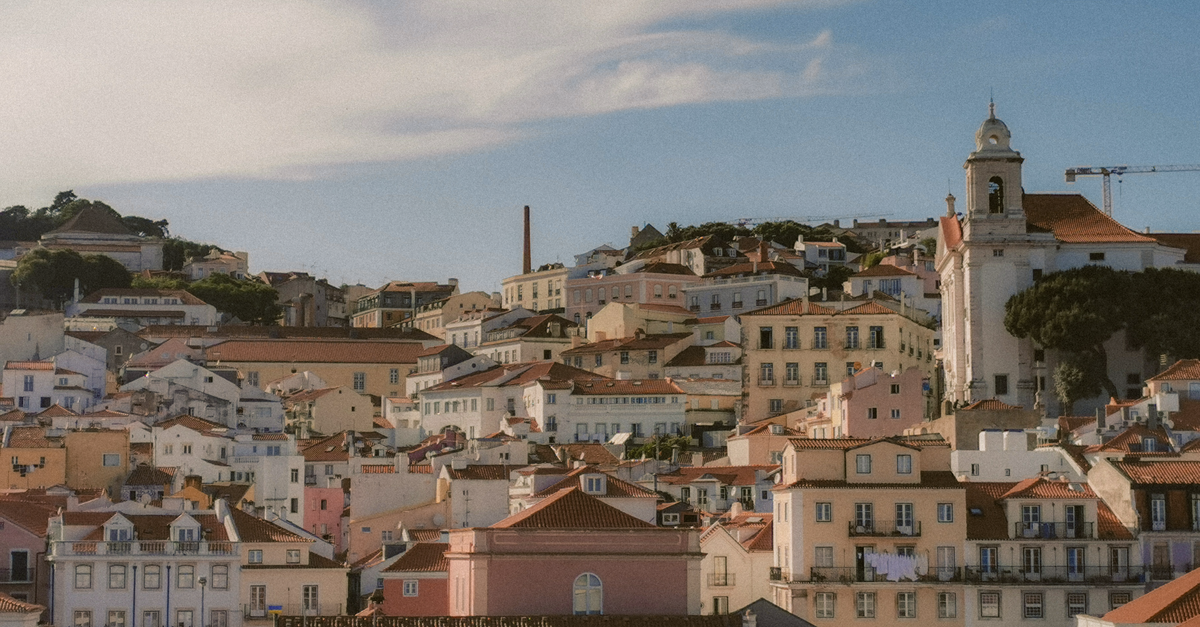
Lisboa wines exhibit a vast diversity, from the bracing, high-acid whites of the coast to the structured, powerful reds of the interior Alenquer sub-region. The overarching theme is one of improved technical precision, resulting in clean, vibrant wines with a distinct Atlantic influence.
How it came to be
Long considered a bulk-wine region, Lisboa has seen an unprecedented renaissance over the last two decades. Estates have invested heavily in modern cellars and viticultural research to leverage the region’s cooling Atlantic influence. It is now widely recognized as one of the most improved wine regions in all of Portugal.
Best for, and who should skip
Day-trippers from Lisbon who want to explore diverse wine styles without spending hours in the car.
Less ideal for: Travelers expecting a centralized, walkable wine trail similar to parts of the Douro Valley. Those who prefer rugged, mountainous vineyard scenery will find the rolling hills and coastal plains of the Lisbon region less dramatic.
Skip if: A lack of a singular 'Lisboa style' can be confusing for those expecting a uniform regional profile.
Tours, tastings & getting there
The region features a mix of historic estates and modern, innovative wineries, all within an hour of the capital. Visiting culture ranges from formal, scheduled tours at large estates to informal visits at smaller, family-run vineyards.
Getting there: 30–60 min north of Lisbon.
Getting around: A rental car is the only efficient way to traverse the region, as the various sub-regions are too spread out for public transport.
Group multiple wineries by geographic proximity to avoid unnecessary driving on the region’s sprawling network of country roads. Most wineries are closed on Sundays.
When to go
April–June and September.
Year-round, harvest Sept-Oct.
Allow: 1 day
Beyond the tasting room
Drive a loop through Mafra, Óbidos and Alenquer; book Quinta de Sant'Ana or Quinta da Boavista, and stop in Óbidos for ginjinha and the walled town.
Pair with

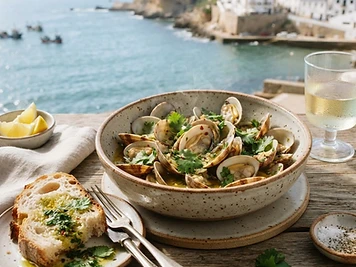
Amêijoas à Bulhão Pato
Clams in garlic, coriander and white wine — the simplest, best shellfish of the Lisbon coast.


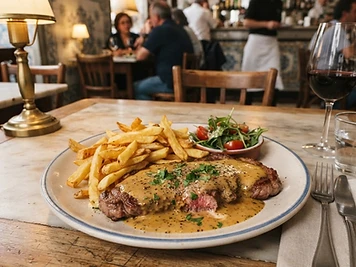
Bife à Marrare
A steak in a mustard-cream sauce — Lisbon's old café-era classic, rarely found elsewhere.
Other wines to explore

Adega de Colares
The cooperative cellar preserving the near-extinct Colares denomination — ungrafted Ramisco vines on the sand dunes above the Sintra coast. Tastings are in a beautiful old Adega and the wines are rare and ageworthy.

Bucelas
A minuscule DOC north of Lisbon producing dry, high-acid whites almost entirely from the Arinto grape — the same grape that gives Champagne-style structure, and which the Duke of Wellington reportedly drank during the Peninsular War.

Carcavelos
One of Portugal's smallest and most endangered denominations — a fortified wine once prized in the 18th century, now reduced to a handful of surviving producers on the Cascais-Lisbon coast as the city has paved over its vineyards.
Nearby


Where it sits


