Colares
A tiny, endangered appellation on the sand dunes north of Sintra, where ungrafted Ramisco vines (they survived phylloxera because of the sand) make a tannic, ageworthy red; the white from Malvasia is rare and mineral. Fewer than 50 hectares remain.
A living fossil of European viticulture — one of the last ungrafted vineyards on the continent, and worth the pilgrimage for that alone.
For ungrafted Ramisco red aged in a Sintra-coast cooperative, in a region that's almost extinct.

What's in the glass
The wines possess an unmistakable Atlantic fingerprint, characterized by high acidity and mineral intensity. Ramisco reds are famously tight and tannic when young, requiring years of patience to reveal notes of red forest fruit and deep saline earthiness.
How it came to be
Colares is one of the oldest demarcated wine regions in Portugal, famously immune to phylloxera due to its deep sandy soils. This geological quirk allowed the region to preserve ancient rootstocks that have vanished elsewhere in Europe. Today, it remains an endangered viticultural treasure, constantly battling encroaching development and the extreme difficulty of manual farming.
Best for, and who should skip
Wine collectors and enthusiasts who value rarity and the extreme struggle of terroir over convenience.
Less ideal for: Casual travelers seeking a relaxed afternoon of vineyard-hopping and sun-drenched wine tasting; those primarily interested in commercial, approachable, or high-tannin-heavy reds that are ready to drink immediately upon purchase.
Skip if: Anyone looking for inexpensive, ready-to-drink wines will find the price and demand for Colares high and potentially discouraging.
Tours, tastings & getting there
Visitation is defined by the rugged landscape of the Sintra coast and the dedication of the few remaining growers. Experiences are often centered on the unique viticultural practice of 'chão de areia,' where vines are planted directly into the sand.
Getting there: 40 min from Lisbon; on the Sintra tram line.
Getting around: The region is narrow and scattered; having a private vehicle is essential to move between the dunes and the winery locations.
There are no walk-in tasting rooms; research the specific producers that offer private tours before arriving in the region. Bring a jacket as the coastal winds can be biting even in summer.
When to go
Year-round; September for harvest.
Open year-round but book ahead.
Allow: Half a day
Beyond the tasting room
Book a tasting at Adega Regional de Colares, walk the dune vineyards at Praia das Maçãs, and combine with Sintra.
Pair with

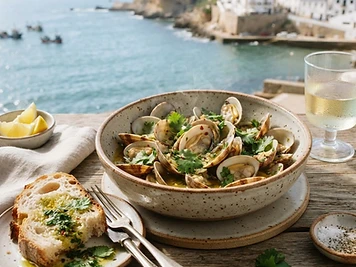
Amêijoas à Bulhão Pato
Clams in garlic, coriander and white wine — the simplest, best shellfish of the Lisbon coast.


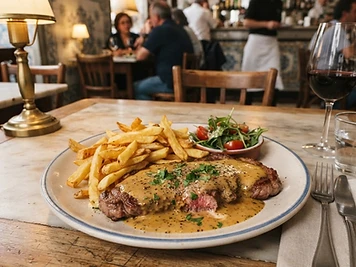
Bife à Marrare
A steak in a mustard-cream sauce — Lisbon's old café-era classic, rarely found elsewhere.
Other wines to explore

Adega de Colares
The cooperative cellar preserving the near-extinct Colares denomination — ungrafted Ramisco vines on the sand dunes above the Sintra coast. Tastings are in a beautiful old Adega and the wines are rare and ageworthy.

Bucelas
A minuscule DOC north of Lisbon producing dry, high-acid whites almost entirely from the Arinto grape — the same grape that gives Champagne-style structure, and which the Duke of Wellington reportedly drank during the Peninsular War.

Carcavelos
One of Portugal's smallest and most endangered denominations — a fortified wine once prized in the 18th century, now reduced to a handful of surviving producers on the Cascais-Lisbon coast as the city has paved over its vineyards.
Nearby


Where it sits


