Setúbal Peninsula
The wine region south of Lisbon across the Tagus, anchored by the fortified Moscatel de Setúbal — a sweet, orange-peel-scented wine made from Muscat grapes grown on the Arrábida slopes. Also home to serious dry reds from the Serra's clay-limestone.
Moscatel de Setúbal is one of Portugal's great under-the-radar fortified wines, and it's a 45-minute ferry from Lisbon.
For Moscatel de Setúbal at José Maria da Fonseca (the oldest table-wine company in Portugal, founded 1834), and reds at the Arrábida's foot.
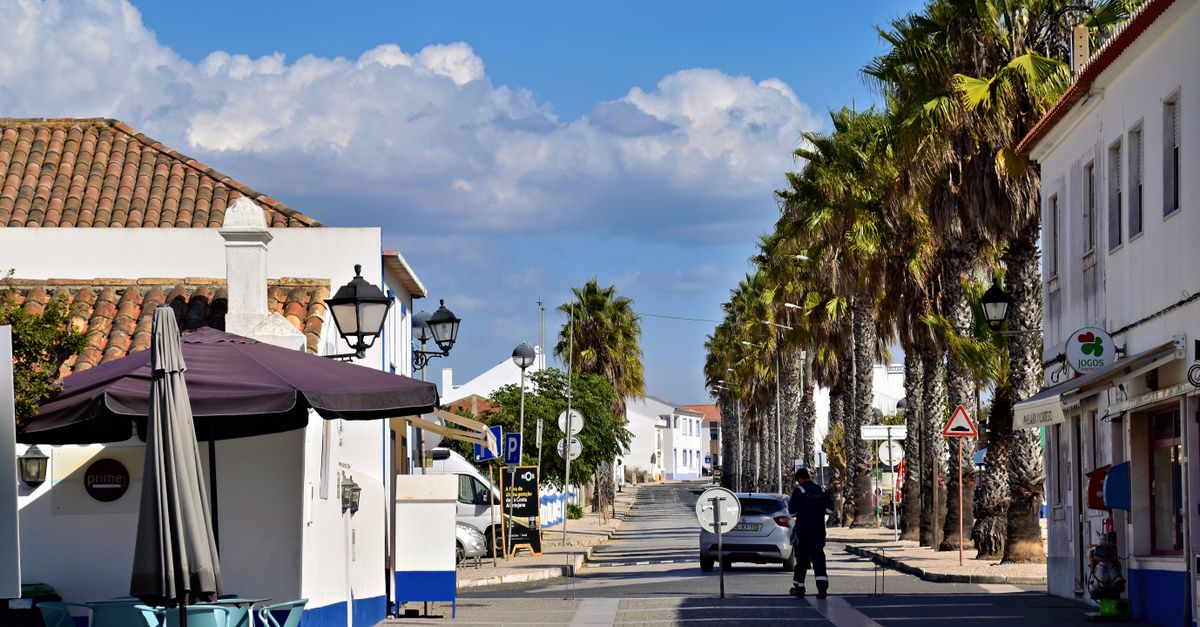
What's in the glass
The region is defined by the sweet, aromatic, and deeply golden Moscatel de Setúbal, a fortified wine with notes of orange marmalade, honey, and dry fruit. The red wines from the clay-limestone soils of the Serra da Arrábida offer structural depth and a distinct, savory earthiness.
How it came to be
The Setúbal Peninsula has been a powerhouse of Portuguese wine for centuries, leveraging its proximity to Lisbon to become a major trade hub. Its identity is forged in the success of the fortified Moscatel and the pioneering work of families like the Fonsecas. It remains one of the most culturally significant and historically rich regions south of the Tagus river.
Best for, and who should skip
Visitors who enjoy a mix of historic fortified wine history and modern, coastal red wine culture.
Less ideal for: Travelers seeking a dense, walkable urban wine scene comparable to Porto or the heart of Lisbon, or those strictly looking for high-altitude, cool-climate viticulture.
Skip if: Visitors who are exclusively interested in crisp, high-altitude mountain wines may find the warmer climate influence of this peninsula quite different.
Tours, tastings & getting there
Visiting culture is vibrant, split between historic fortified cellars and modern red-wine estates. Many producers offer educational tours that emphasize the dramatic impact of the Serra da Arrábida on their viticulture.
Getting there: 45 min from Lisbon; ferry from Cais do Sodré to Setúbal via Tróia route, or drive the 25 de Abril bridge.
Getting around: The region is well-connected by modern roads, making it easy to navigate between the coastal wineries and the inland estates.
Allocate at least two full days to explore both the fortified producers and the red-wine estates in the Serra. Rent a car to handle the hilly terrain of the Arrábida natural park.
When to go
September for Moscatel harvest; spring for Arrábida flowers.
Year-round.
Allow: 1 day
Beyond the tasting room
Visit José Maria da Fonseca in Vila Nogueira de Azeitão, taste Moscatel, then drive the Arrábida to the coast for lunch.
Pair with

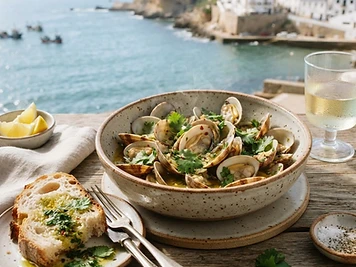
Amêijoas à Bulhão Pato
Clams in garlic, coriander and white wine — the simplest, best shellfish of the Lisbon coast.


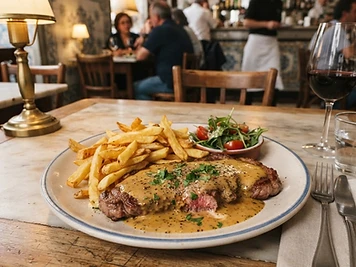
Bife à Marrare
A steak in a mustard-cream sauce — Lisbon's old café-era classic, rarely found elsewhere.
Other wines to explore

Adega de Colares
The cooperative cellar preserving the near-extinct Colares denomination — ungrafted Ramisco vines on the sand dunes above the Sintra coast. Tastings are in a beautiful old Adega and the wines are rare and ageworthy.

Bucelas
A minuscule DOC north of Lisbon producing dry, high-acid whites almost entirely from the Arinto grape — the same grape that gives Champagne-style structure, and which the Duke of Wellington reportedly drank during the Peninsular War.

Carcavelos
One of Portugal's smallest and most endangered denominations — a fortified wine once prized in the 18th century, now reduced to a handful of surviving producers on the Cascais-Lisbon coast as the city has paved over its vineyards.
Nearby


Where it sits


