Palmela
The red-wine heart of the Setúbal Peninsula, where the Periquita grape (Castelão) made its name at José Maria da Fonseca in the 1850s — one of the first branded table wines in Portugal. The Serra da Arrábida gives structure to the reds.
Periquita's home — historic, accessible, and the best entry point to Setúbal Peninsula reds.
For Castelão (Periquita) reds from the slopes of the Serra da Arrábida, near Palmela's castle.

What's in the glass
Palmela is dominated by the Castelão grape, which here produces robust, earthy reds with characteristic notes of wild berries and soft tannins. The sandy, limestone soils provide a unique structural foundation that allows these wines to age with grace.
How it came to be
The region gained prominence in the 19th century as the birthplace of the Periquita label, which put the Castelão grape on the map. Historically, it was the primary wine supplier to Lisbon, developing a culture centered on efficiency and mass appeal that has since evolved into a focus on high-quality, regionally defined red wines.
Best for, and who should skip
Travelers who enjoy combining wine tasting with visits to medieval hilltop castles and sweeping mountain views.
Less ideal for: Travelers seeking a dense, walkable urban wine scene will be disappointed; the estates here are rural and dispersed, requiring significant travel time between sites. It is also less suited for those expecting high-octane nightlife or a constant flow of tourist-oriented wine bars found in central Lisbon.
Skip if: Those who dislike high-tannin reds or earthy, rustic wine profiles may find the regional focus challenging.
Tours, tastings & getting there
Visiting this region is defined by the contrast between the historic castle hill and the surrounding flat plains where the best grapes grow. The wine culture is proud and deeply tied to the history of the local cooperative movement and the pioneering work of major families.
Getting there: 45 min from Lisbon.
Getting around: The region is quite accessible by car, with clear signage directing visitors to the main wine-producing estates.
Spend an afternoon at the Palmela Castle after your winery visits to get a sense of the entire territory. Most wineries are clustered close together around the main access roads.
When to go
September; spring.
Year-round.
Allow: Half a day
Beyond the tasting room
Combine a visit to the Palmela castle and a Fonseca tasting with an Arrábida drive.
Pair with

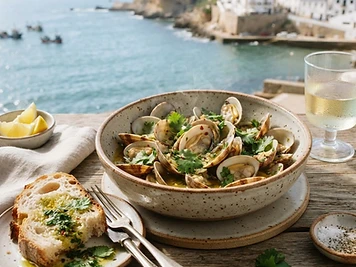
Amêijoas à Bulhão Pato
Clams in garlic, coriander and white wine — the simplest, best shellfish of the Lisbon coast.


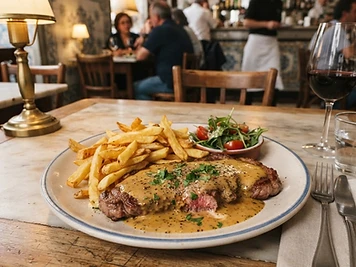
Bife à Marrare
A steak in a mustard-cream sauce — Lisbon's old café-era classic, rarely found elsewhere.
Other wines to explore

Adega de Colares
The cooperative cellar preserving the near-extinct Colares denomination — ungrafted Ramisco vines on the sand dunes above the Sintra coast. Tastings are in a beautiful old Adega and the wines are rare and ageworthy.

Bucelas
A minuscule DOC north of Lisbon producing dry, high-acid whites almost entirely from the Arinto grape — the same grape that gives Champagne-style structure, and which the Duke of Wellington reportedly drank during the Peninsular War.

Carcavelos
One of Portugal's smallest and most endangered denominations — a fortified wine once prized in the 18th century, now reduced to a handful of surviving producers on the Cascais-Lisbon coast as the city has paved over its vineyards.
Nearby


Where it sits


