Quinta da Bacalhôa
The flagship estate of the Bacalhôa group on the Setúbal Peninsula — a modern winery set on a former royal estate with a contemporary-art collection, making serious reds and the celebrated 'Bacalhôa' Muscat.
Serious Setúbal Peninsula reds and Muscat, paired with a modern-art collection on a historic estate.
For serious Setúbal Peninsula reds and Muscat, paired with a modern-art collection on a historic estate.
What's in the glass
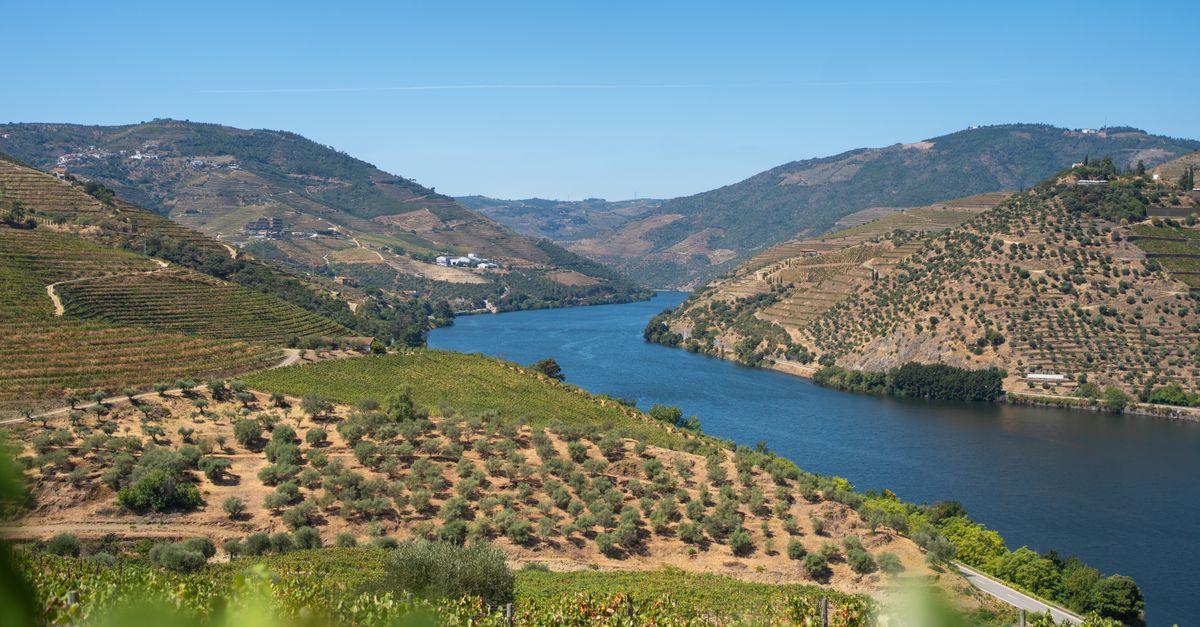
The wines are polished, modern, and highly structured, frequently blending international varieties with local grapes for a refined profile. The Muscat is particularly legendary, offering a sophisticated balance of sweetness and acidity that avoids being cloying.
How it came to be
The estate itself dates back to the 15th century, acting as a royal retreat before being transformed into one of the most innovative wine projects on the Peninsula. Under its current management, it has become a center for cultural preservation, housing some of the most important art pieces in the region alongside its high-performance winery.
Best for, and who should skip
Art lovers and those looking for a sophisticated, luxury-focused wine tasting experience.
Less ideal for: Travelers seeking an intimate, small-scale boutique winery experience or those uninterested in contemporary sculpture and formal Renaissance-style gardens, as the estate operates with a more commercial, large-scale production focus.
Skip if: Visitors who prefer a rustic, 'back-to-the-earth' agricultural experience may find the curated, high-end environment too formal.
Tours, tastings & getting there
This is a must-visit estate for those who appreciate the intersection of high-end wine and contemporary art. The grounds are immaculately maintained, and tours often include a walk through the palace gardens and the extensive private art collection.
Getting there: 45 min from Lisbon; near Setúbal.
Getting around: The estate grounds are extensive and best enjoyed on foot, with paths connecting the vineyards, palace, and winery.
Book well in advance, especially for the estate tour which includes the private palace grounds. Plan for at least two hours to fully appreciate both the wine and the art.
When to go
Year-round.
Allow: Half a day
Beyond the tasting room
Tour the winery, the art collection and the vineyards; taste the flagship red and Moscatel.
Pair with

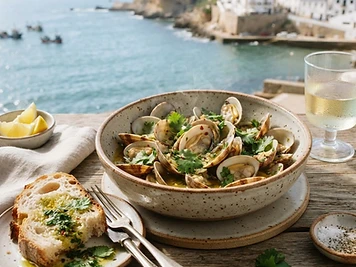
Amêijoas à Bulhão Pato
Clams in garlic, coriander and white wine — the simplest, best shellfish of the Lisbon coast.


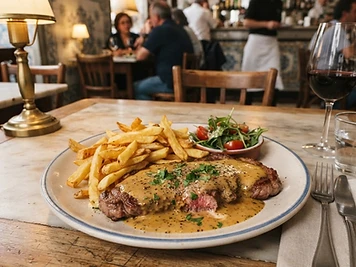
Bife à Marrare
A steak in a mustard-cream sauce — Lisbon's old café-era classic, rarely found elsewhere.
Other wines to explore

Adega de Colares
The cooperative cellar preserving the near-extinct Colares denomination — ungrafted Ramisco vines on the sand dunes above the Sintra coast. Tastings are in a beautiful old Adega and the wines are rare and ageworthy.

Bucelas
A minuscule DOC north of Lisbon producing dry, high-acid whites almost entirely from the Arinto grape — the same grape that gives Champagne-style structure, and which the Duke of Wellington reportedly drank during the Peninsular War.

Carcavelos
One of Portugal's smallest and most endangered denominations — a fortified wine once prized in the 18th century, now reduced to a handful of surviving producers on the Cascais-Lisbon coast as the city has paved over its vineyards.
Nearby


Where it sits


