José Maria da Fonseca
Portugal's oldest table-wine company (founded 1834), the maker of Periquita and Muscat de Setúbal, with a beautiful historic winery and museum in Vila Nogueira de Azeitão open to visitors — the easiest, most rewarding cellar visit near Lisbon.
The home of Periquita and Muscat de Setúbal, in a museum-like 19th-century winery 45 min from Lisbon.
For the home of Periquita and Muscat de Setúbal, in a museum-like 19th-century winery 45 min from Lisbon.

What's in the glass
The portfolio ranges from the iconic, accessible Periquita to the deeply complex, honeyed, and citrus-forward Moscatel de Setúbal. Their wines represent the benchmark for regional styles, offering reliability and high quality across all price points.
How it came to be
Founded in 1834, the company is the oldest family-owned wine producer in Portugal and is credited with creating the first branded table wine, Periquita. Their influence has been central to the global reputation of Setúbal and the broader Portuguese wine scene. The historic headquarters in Azeitão serves as both an active winery and a monument to the country's viticultural maturation.
Best for, and who should skip
First-time visitors to the region who want a comprehensive introduction to Portuguese wine history and styles.
Less ideal for: Those seeking a modern, glass-walled, avant-garde architectural experience or travelers looking for a rustic, intimate family-run farm with minimal commercial polish.
Skip if: Purists seeking obscure, tiny-production wines may feel overwhelmed by the commercial nature of the estate.
Tours, tastings & getting there
The winery provides one of the most professional and atmospheric visits in the country, featuring a historic museum and beautiful gardens. Tours are comprehensive, covering everything from the 19th-century history of the company to modern laboratory techniques.
Getting there: 45 min from Lisbon; in Azeitão.
Getting around: The grounds are flat and highly accessible for all visitors, with clear walkways connecting the museum and tasting rooms.
The estate is easily accessible from Lisbon, but booking tours ahead of time is mandatory. The museum shop is excellent for picking up gift-ready bottles.
When to go
Year-round; September for Moscatel harvest.
Year-round.
Allow: Half a day
Beyond the tasting room
Take the guided winery-museum tour and Moscatel tasting; combine with an Arrábida drive.
Pair with

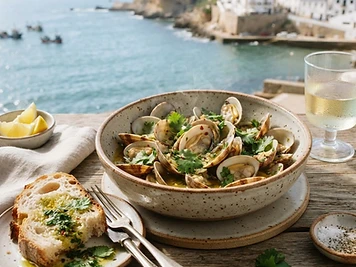
Amêijoas à Bulhão Pato
Clams in garlic, coriander and white wine — the simplest, best shellfish of the Lisbon coast.


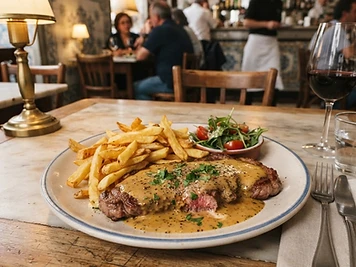
Bife à Marrare
A steak in a mustard-cream sauce — Lisbon's old café-era classic, rarely found elsewhere.
Other wines to explore

Adega de Colares
The cooperative cellar preserving the near-extinct Colares denomination — ungrafted Ramisco vines on the sand dunes above the Sintra coast. Tastings are in a beautiful old Adega and the wines are rare and ageworthy.

Bucelas
A minuscule DOC north of Lisbon producing dry, high-acid whites almost entirely from the Arinto grape — the same grape that gives Champagne-style structure, and which the Duke of Wellington reportedly drank during the Peninsular War.

Carcavelos
One of Portugal's smallest and most endangered denominations — a fortified wine once prized in the 18th century, now reduced to a handful of surviving producers on the Cascais-Lisbon coast as the city has paved over its vineyards.
Nearby


Where it sits


