Caracóis
Small garden snails simmered in garlic and oregano broth — Lisbon's summer beer-garden snack.
Small, snappy, and infinitely shareable, these snails represent the casual, communal heart of summer in Lisbon. They are less a meal than a reason to linger at a table.
They are the ultimate excuse to sit outdoors and drink beer for several hours.

Where it comes from
The tradition of consuming snails in Portugal has ancient roots, though the specific Lisbon practice of eating them as a snack became popularized in the early 20th century. It traces its lineage to Mediterranean customs where small garden snails were a poor man's protein. Today, the arrival of the first 'caracoletas' in late spring triggers a city-wide seasonal obsession.
The dish
The snails are simmered until tender in a spicy, broth-like concentrate of garlic, bay leaf, and oregano. The ritual involves plucking them from the shell with a toothpick and chasing the savory heat with a cold lager.
Key ingredients
- 01Garden snails
- 02Garlic
- 03Oregano
- 04Bay leaf
- 05Chili
When to eat it
Strictly a warm-weather ritual, typically from May through August.
Why you might skip it
Those who consider snails a culinary hurdle or are put off by the labor of extracting them from shells should look elsewhere.
Good to know
Look for local tascas displaying signs that simply read 'Há Caracóis' during the summer months.
Serve with

Adega de Colares
The cooperative cellar maintaining the Colares denomination, defined by ungrafted Ramisco vines grown in sand dunes above the Sintra coast. Tastings are held in a 1930s-era cellar, focusing on rare, high-tannin reds and saline whites.

Bucelas
A minuscule DOC north of Lisbon producing dry, high-acid whites almost entirely from the Arinto grape — the same grape that gives Champagne-style structure, and which the Duke of Wellington reportedly drank during the Peninsular War.
Eat

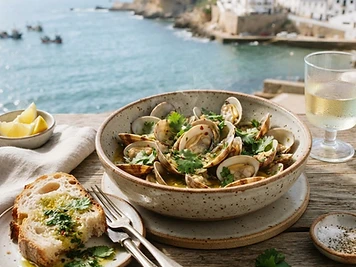
Amêijoas à Bulhão Pato
Clams steamed in garlic, coriander, and white wine—the baseline for Lisbon coastal shellfish.


Bacalhau
Salt cod—the standard protein of the Portuguese pantry, prepared in variations throughout the country.

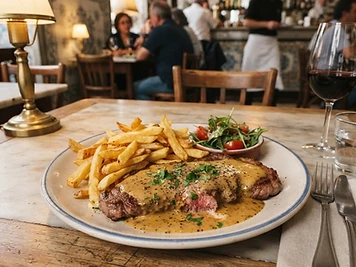
Bife à Marrare
A steak in a mustard-cream sauce — Lisbon's old café-era classic, rarely found elsewhere.
Where to find it


More to eat in Lisbon


Pastéis de Bacalhau
Salt cod and potato fritters — Portugal's great street snack, crisp outside, soft within.


Pastéis de Nata
Lisbon's custard tart in puff pastry — the city's most famous bite, and arguably Portugal's best pastry.


Pastel de Nata
A crisp, caramelized custard tart originating in Lisbon's convents and refined at the Belém bakery.

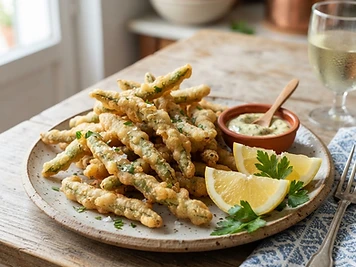
Peixinhos da Horta
Lightly battered, fried green beans—the vegetable fritter that influenced the development of tempura.

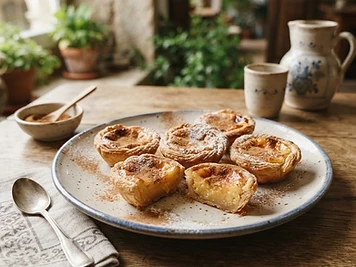
Queijadas de Sintra
Small, baked pastry cups made of fresh cheese, egg, and cinnamon. Sintra's signature sweet since the 16th century.

A Cevicheria (Príncipe Real)
Chef Kiko Martins' flagship restaurant in Príncipe Real focuses on Peruvian ceviche made with Atlantic seafood. The interior features a large sculpture of an octopus suspended from the ceiling.