Pastel de Nata
Portugal's signature pastry — a crisp, caramelized custard tart born in Lisbon's convents and perfected at Belém.
The quintessential Portuguese pastry, a crisp vessel of scorched custard that defies its humble origins to achieve culinary transcendence. It remains the non-negotiable threshold for any serious exploration of Lisbon's gastronomic landscape.
It offers a masterclass in texture, bridging the divide between shattered pastry crust and velvet-smooth egg custard in a single, bite-sized evolution of sweetness.


Where it comes from
These tarts were born in the 18th-century Mosteiro dos Jerónimos in the Belém district of Lisbon, where nuns used vast quantities of egg whites to starch their habits. Faced with an excess of leftover yolks, they experimented with sugar and cream to create the now-iconic confection. Following the dissolution of the religious orders in 1834, the secret recipe was sold to a local sugar refinery, leading to the 1837 opening of the Fábrica de Pastéis de Belém. The bakery continues to operate under the same guarded tradition, cementing the tart's status as a symbol of national identity.
The dish
The tart features a laminated, blistered puff pastry crust housing a dense, silken egg yolk custard that bears the unmistakable charred signature of a high-heat oven. It is traditionally served warm, dusted with a fine snowfall of cinnamon and accompanied by a sharp, short espresso to cut through the richness. The audible crack of the pastry signifies a perfectly executed specimen.
Key ingredients
- 01puff pastry
- 02egg yolks
- 03sugar
- 04milk
- 05cinnamon
- 06lemon zest
When to eat it
The pastries are at their absolute peak when served warm, straight from the oven, typically during the mid-morning coffee break.
Why you might skip it
Avoid those mass-produced versions sitting under heat lamps, as the loss of crispness in the pastry renders the entire experience unpleasantly heavy and cloying.
Good to know
Seek out establishments that maintain high turnover to ensure freshness, as the pastry loses its structural integrity rapidly once cooled. While the Belém original is the pilgrimage site, many local pastelarias in the Baixa and Alfama districts produce versions of equal technical brilliance.
Serve with

Adega de Colares
The cooperative cellar preserving the near-extinct Colares denomination — ungrafted Ramisco vines on the sand dunes above the Sintra coast. Tastings are in a beautiful old Adega and the wines are rare and ageworthy.

Bucelas
A minuscule DOC north of Lisbon producing dry, high-acid whites almost entirely from the Arinto grape — the same grape that gives Champagne-style structure, and which the Duke of Wellington reportedly drank during the Peninsular War.
Eat

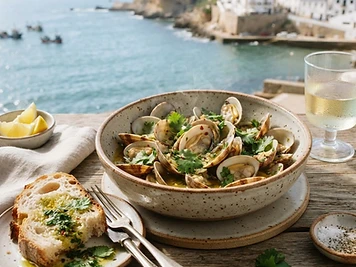
Amêijoas à Bulhão Pato
Clams in garlic, coriander and white wine — the simplest, best shellfish of the Lisbon coast.


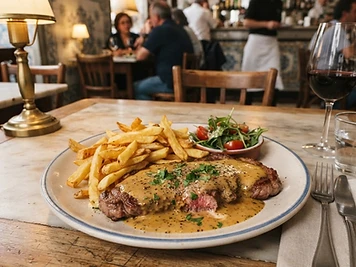
Bife à Marrare
A steak in a mustard-cream sauce — Lisbon's old café-era classic, rarely found elsewhere.

