Peixinhos da Horta
Lightly battered, fried green beans — the crispy vegetable fritter that gave tempura its name.
An ingenious vegetarian snack that disguises simple garden vegetables as something far more indulgent. It is the history of global culinary exchange fried into a single, crispy bite.
It is an essential piece of culinary history that clarifies the origins of Japanese tempura.

Where it comes from
In the 16th century, Portuguese missionaries and traders brought this frying technique to Japan, where it was adopted and refined into what the world now knows as tempura. The name literally translates to 'little fish from the garden,' referring to how the beans resemble fried fish. It remains a classic, rustic dish in Portuguese home cooking and traditional taverns.
The dish
Fresh green beans are dipped in a light, bubbly batter and fried until they achieve a delicate, airy crispness. They are served as a vibrant, salty appetizer that highlights the quality of the produce.
Key ingredients
- 01Green beans
- 02Flour
- 03Eggs
- 04Olive oil
- 05Salt
When to eat it
Best in spring and summer when the beans are young, tender, and snap under pressure.
Why you might skip it
Those who avoid fried foods or are looking for a substantial main course will find this too light.
Good to know
Found in traditional taverns across Lisbon, particularly those serving regional Alentejo or Ribatejo cuisine.
Serve with

Adega de Colares
The cooperative cellar preserving the near-extinct Colares denomination — ungrafted Ramisco vines on the sand dunes above the Sintra coast. Tastings are in a beautiful old Adega and the wines are rare and ageworthy.

Bucelas
A minuscule DOC north of Lisbon producing dry, high-acid whites almost entirely from the Arinto grape — the same grape that gives Champagne-style structure, and which the Duke of Wellington reportedly drank during the Peninsular War.
Eat

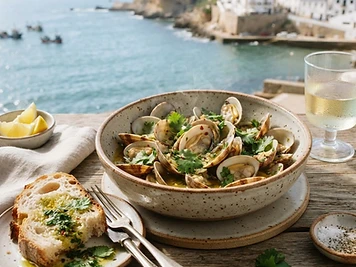
Amêijoas à Bulhão Pato
Clams in garlic, coriander and white wine — the simplest, best shellfish of the Lisbon coast.


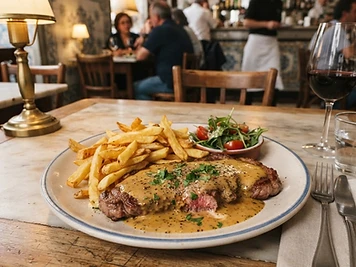
Bife à Marrare
A steak in a mustard-cream sauce — Lisbon's old café-era classic, rarely found elsewhere.

