Arrábida Natural Park
A limestone park dropping from forested hills to clear turquoise coves — the best beaches near Lisbon, and the least known.
Recommended. The secret answer to 'where can I swim near Lisbon without the crowds?'

Why go
Arrábida Natural Park features a unique geological convergence where Mediterranean limestone cliffs plummet directly into the Atlantic Ocean. The area provides a stark contrast to the urban intensity of Lisbon, offering turquoise coves and sheltered beaches protected by dense, protected forest growth. Rare vegetation, including endemic maquis, covers the steep, wind-sculpted slopes, while the marine reserve hosts extensive underwater biodiversity, making the coastline distinct from the longer, sandier stretches found further north along the Atlantic coast.
Why you might skip it
Summer weekends fill up; access is easiest by car.
What to do
Galapinhos and Portinho beaches, the Convento da Arrábida, the cliff road, a hike in the mata.
Getting there & around
A car is necessary to navigate the winding roads of the Serra da Arrábida effectively. From Lisbon, take the A2 south across the 25 de Abril Bridge toward Setúbal, then follow signs for the park's coastal route. Parking at major beaches fills early during summer weekends, often requiring a walk or reliance on the seasonal shuttle service from Setúbal.
Common planning mistakes
Many assume public transportation provides easy access to all sectors of the park, ignoring the reality of the limited shuttle schedules. Another frequent error is underestimating the difficulty of the terrain; the trails are steep and demand appropriate footwear, yet many attempt them in informal attire. Overlooking the restricted status of certain zones within the protected marine area leads to unintentional non-compliance with local regulations regarding water activities and environmental preservation.
Practical notes
The park spans approximately 10,800 hectares, with the primary coastal road winding through high-gradient slopes. Vehicles require clearance for narrow turns and frequent elevation changes. Parking at major beach access points such as Galapinhos and Creiro requires early arrival, often before 09:00 during summer months, to avoid road closures. Cell coverage remains inconsistent within the deeper valleys of the sierra, and water supplies are limited outside of the designated beach areas and small settlements.
Where it sits


More outdoors in Lisbon

Arrábida Natural Park
Arrábida Natural Park features a limestone ridge descending into the Atlantic south of Lisbon. The area contains Mediterranean scrubland and endemic plant species protected within a defined ecological sanctuary.

Sintra-Cascais Natural Park
This protected area spans granite hills and coastal cliffs, encompassing the forests and historic estates of the Serra de Sintra alongside the Atlantic shoreline.
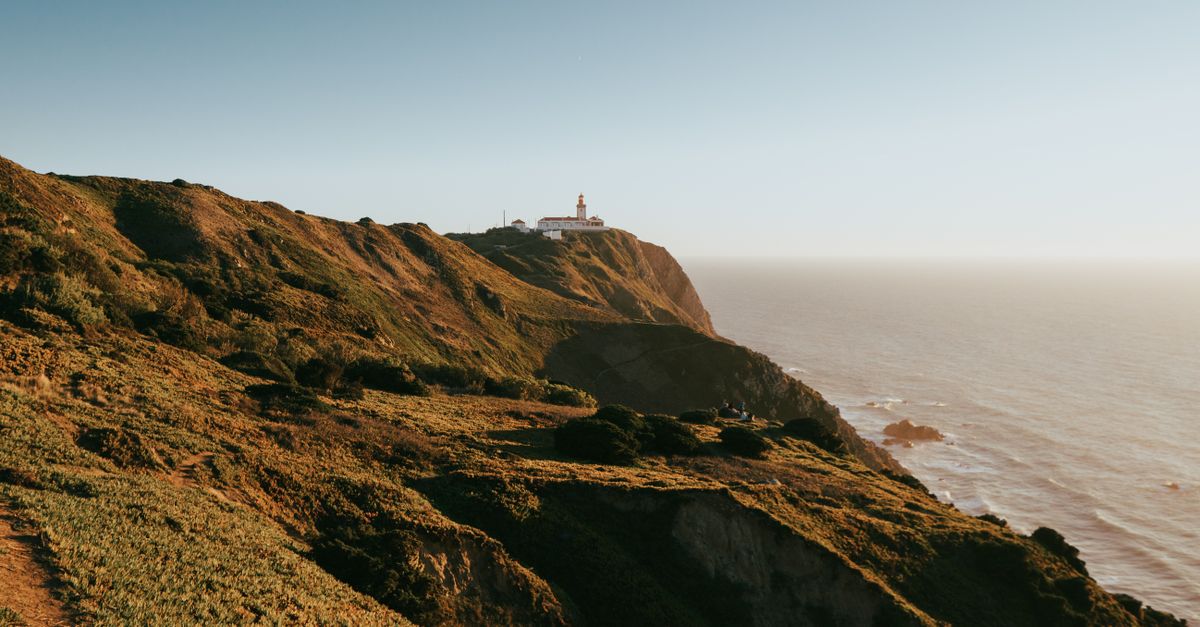
Cabo da Roca
The westernmost point of mainland Europe — a cliff lighthouse above the Atlantic.

Cabo Espichel
Cabo Espichel is a limestone promontory on the Setúbal Peninsula containing a lighthouse and the Sanctuary of Our Lady of the Cape. It provides an isolated, exposed view of the Atlantic coastline south of Lisbon.

Estrada Marginal (Lisbon–Cascais)
The Estrada Marginal (N6) follows the Tagus Estuary from central Lisbon to Cascais. The route tracks the shoreline past 17th-century fortifications and residential neighborhoods, moving from the city edge into the Atlantic-facing towns of Estoril and Cascais.

Serra de Montejunto
Serra de Montejunto is a protected limestone range reaching 666 meters. The terrain contains limestone pavements and caves, serving as a habitat for endemic plants and birds of prey.
We may earn a commission from bookings made through these links. It never changes what we recommend, or what we leave out.