

Trip Anchor
City· Lisbon
Lisbon
The capital — seven hills, Atlantic light, tile and tram, and a city that lives outdoors. The obvious starting point for almost any Portugal trip.
Which city deserves your time?
They're both granite-and-tile Atlantic cities on rivers, with great food and trams — and they feel completely different. Here's how to choose.
The capital — seven hills, Atlantic light, tile and tram, and a city that lives outdoors. The obvious starting point for almost any Portugal trip.
Portugal's second city — granite, port wine, the Douro waterfront and a working, lived-in heart that Lisbon has partly lost to tourism.
Choose Lisbon for your first trip — it's the bigger story (Belém, the Age of Discovery, day trips to Sintra). Choose Porto if you've done Lisbon, want a more walkable, less touristy city, or plan to pair it with the Douro Valley. If you have 10+ days, do both.
Lisbon takes three full days before you add Sintra, and it rewards a fourth. Porto is honestly a two-day city, or three if the Douro is the reason you came. Lisbon is the harder of the two to leave early; Porto is the easier one to bolt a wine region onto.
Lisbon has scale: Belém, the Gulbenkian, tiled façades, viewpoints stacked up the hills and day trips in three directions. Porto is compact and legible — the river, the port lodges across in Gaia, seafood at Matosinhos, and a centre you can cross on foot twice in a day.
Both have airports, Lisbon with far more long-haul and low-cost routes. The train takes around three hours centre to centre, which beats flying for time and temper. Both cities are hilly; Lisbon's climbs are longer, and its trams are a transport system rather than an attraction.
Porto runs a little cheaper for food and wine. Lisbon absorbs more visitors at its core, especially Belém and Alfama from May through September. Neither city is quiet in August, and both are better in May or late September.
The capital — seven hills, Atlantic light, tile and tram, and a city that lives outdoors. The obvious starting point for almost any Portugal trip.
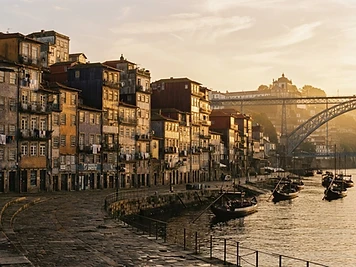
Portugal's second city — granite, port wine, the Douro waterfront and a working, lived-in heart that Lisbon has partly lost to tourism.

A fairy-tale royal hill town of palaces and forest — the Pena Palace, the Moorish Castle, Quinta da Regaleira, and the mist that makes it all otherworldly.
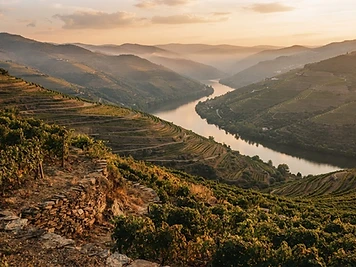
The world's oldest demarcated wine region — terraced vineyards climbing the banks of the Douro, port's birthplace, and one of the most beautiful river valleys in Europe.
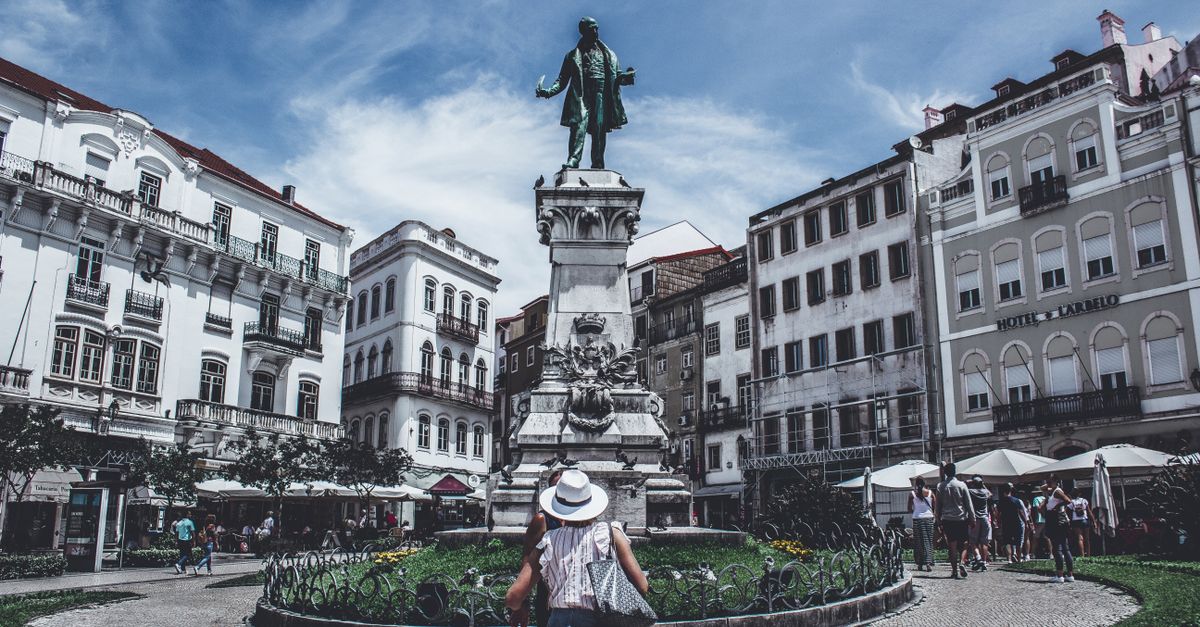
Portugal's medieval capital and university city — a steep, tiled old town above the Mondego, with a baroque library and fado of its own.


