Praia de Moledo
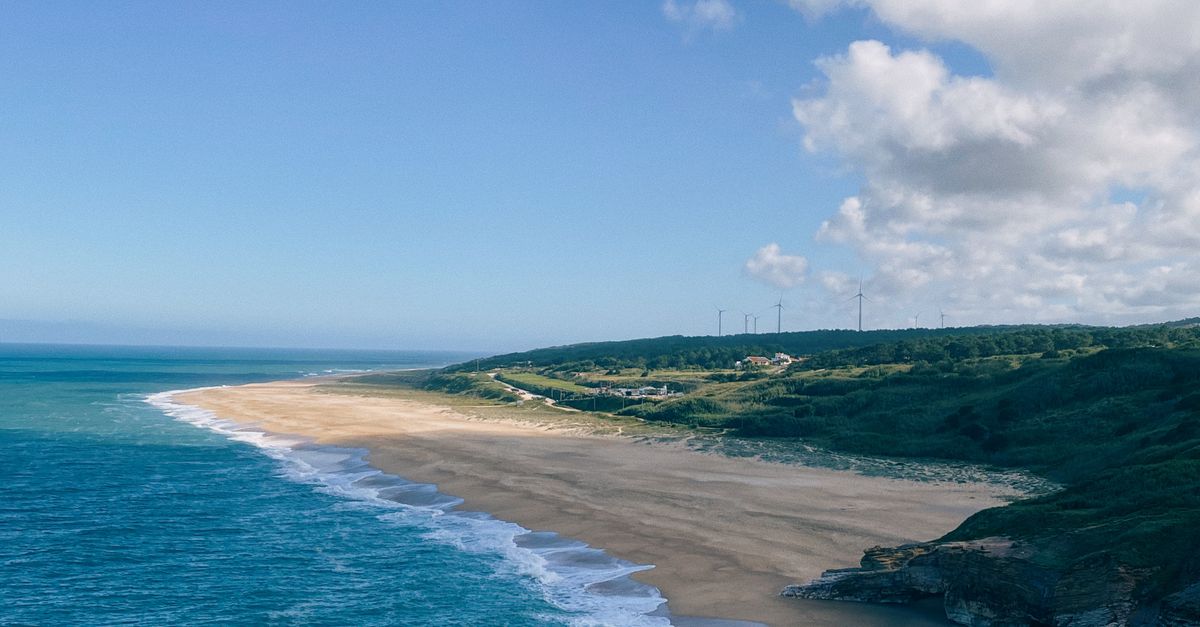
A broad Atlantic sweep at the Minho's mouth, backed by dunes and the old fishing village of Moledo — the north's windblown, family-favorite summer beach.
Praia de Moledo is essential for wind-seekers and families craving a raw, untamed Atlantic backdrop that feels worlds away from the crowded southern resorts.
Why go
For the wide-open sand, the wind that makes it a windsurfer's beach, and a sunset view across the river to Spain.
Why you might skip it
The northern Atlantic latitude brings unpredictable weather and consistently cold water temperatures. Strong winds and heavy swells define the environment, making calm swimming days rare. The beach lacks the artificial wind protection and extensive luxury amenities found in southern resorts. The distance from Porto or Vigo requires significant travel time for those prioritizing convenience or temperate climate, while the raw, exposed landscape offers little shelter during overcast or rainy conditions.
What to do
The constant northerly wind creates conditions for kitesurfing and windsurfing, with several schools operating directly on the sand. A wooden boardwalk extends along the dunes, connecting the village to the river mouth. The view from the sand overlooks the sixteenth-century Forte da Ínsua, located on a rocky islet in the estuary. The nearby pine forest provides shade, while the local village offers traditional Minho cuisine featuring fresh lamprey or river fish from the bordering Minho River.
Getting there & around
The beach is a ninety-minute drive north of Porto via the A28. It is also accessible by regional train on the Linha do Minho to Moledo station, followed by a fifteen-minute walk to the sand.
Common planning mistakes
Overestimating the water temperature leads to discomfort, as the Atlantic current remains chilling even on hot days. Relying on public transit requires adherence to strict regional train schedules, which do not always align with late-evening plans. Neglecting to bring windbreakers results in exposure to constant drafts that persist even when the sun is at its peak.
Practical notes
Parking exists in designated lots near the dunes, though spaces fill rapidly on summer weekends. The water temperature rarely exceeds 17 degrees Celsius, necessitating a full wetsuit for any extended time in the surf. Strong rip currents occur frequently along this section of the coast, particularly near the river mouth, where the current remains volatile regardless of the tide stage.
Where it sits


More beaches across Portugal

Costa da Caparica
A 30-km wall of sand and beach breaks south of Lisbon — the city's surf-and-sun capital, with beach bars from summer to the last warm October days.

Praia da Adraga
A wild cliff-backed beach on the Sintra coast, with a sea arch and a small waterfall.
Praia da Armona
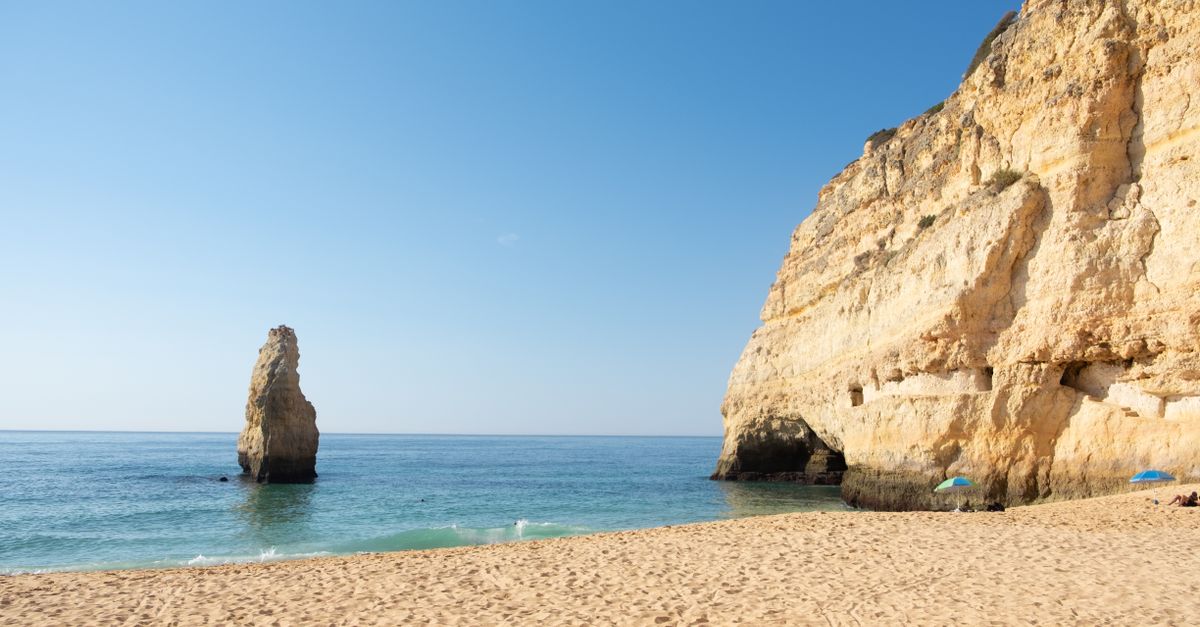
An empty barrier-island beach reached by ferry from Fuseta — miles of sand, no cars, and the Ria Formosa at your back.

Praia da Calheta
A golden sand bay on Madeira's south coast — imported sand, calm water, and the closest thing to a classic beach on the island.
Praia da Falésia
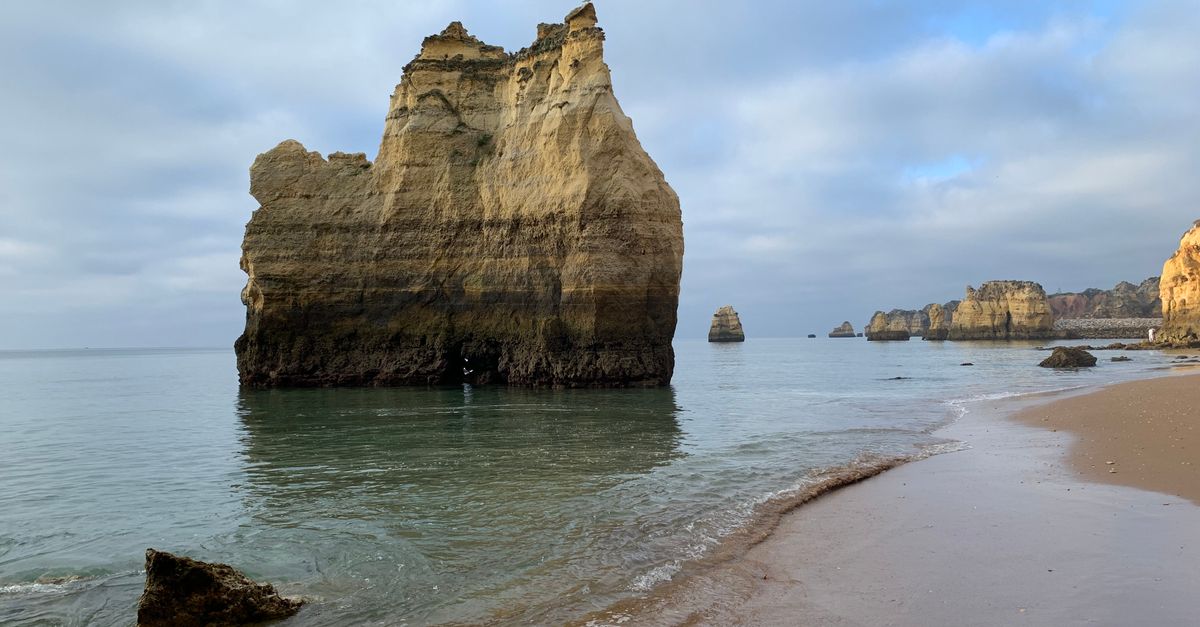
Six kilometers of golden cliff-backed sand between Albufeira and Vilamoura.

Praia da Foz do Arelho
Where the Óbidos lagoon meets the open Atlantic — calm lagoon water on one side, surf on the other, and a cliff bar above.
We may earn a commission from bookings made through these links. It never changes what we recommend, or what we leave out.