

Trip Anchor
Island· Madeira
Madeira
A subtropical volcanic island of levadas, peaks, Laurisilva forest and a year-round spring climate — a destination guide in itself.
Which islands?
Both are volcanic, green and walking-focused — and they're nothing alike. Madeira is a single dramatic island with a spring climate and wine; the Azores are nine islands with crater lakes, whales and hot springs.
A subtropical volcanic island of levadas, peaks, Laurisilva forest and a year-round spring climate — a destination guide in itself.
Nine volcanic islands in the mid-Atlantic — calderas, crater lakes, whales, hot springs, and green so green it has its own color ('azul').
Choose Madeira for a compact, easy, year-round walking-and-wine trip with one base. Choose the Azores for a longer, wilder, more varied trip across multiple islands — whales, crater lakes and lava vineyards. Madeira is warmer and easier; the Azores are greener and more remote.
Madeira fits five to seven nights on a single base. Nothing on the island is more than about ninety minutes away, so you can walk a levada in the morning and be back in Funchal for dinner. The Azores need seven nights minimum to justify the flights, and you should pick two or three islands rather than collecting them.
Madeira is mild in every month: wetter and cloudier on the north coast, sunnier around Funchal and Ponta do Sol, with the sea warm enough to swim from June into October. The Azores change quickly in any season, and the most settled weather runs June to September. Whale watching is at its best April to October.
Madeira drinks its own fortified wine and eats espetada, limpets and bolo do caco; the island is one long road trip, with tunnels cutting through the middle. The Azores are dairy country — São Jorge cheese, cozido cooked in the ground at Furnas, tuna — and Pico's lava vineyards make the more interesting wine. Inter-island flights are part of the trip, not a footnote.
A subtropical volcanic island of levadas, peaks, Laurisilva forest and a year-round spring climate — a destination guide in itself.
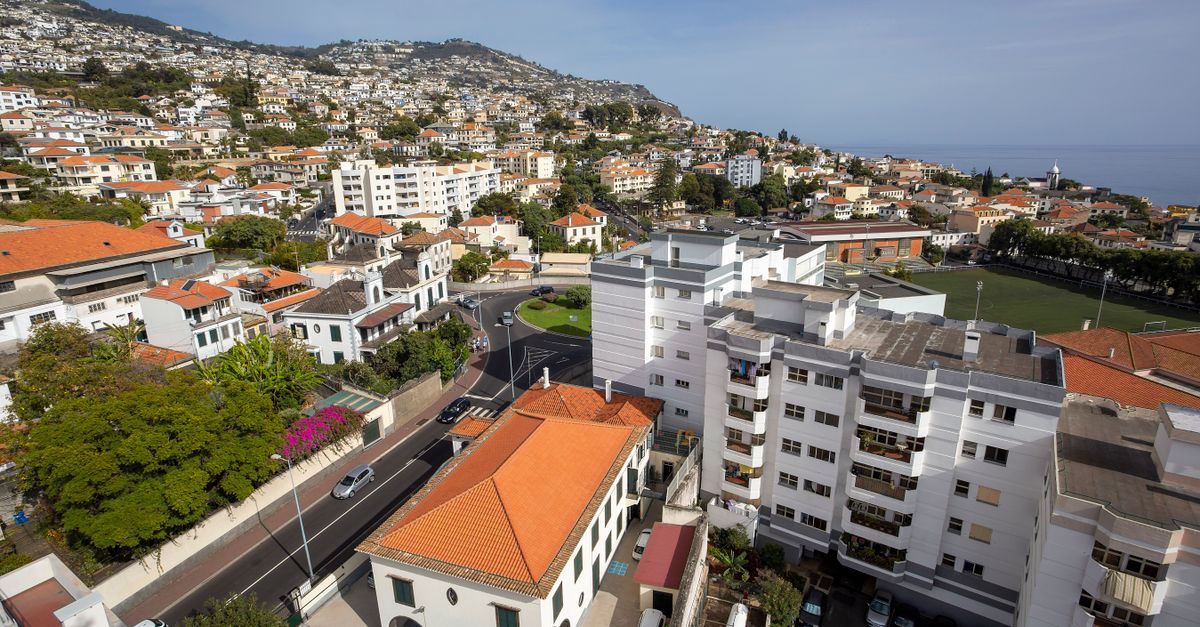
Madeira's capital — a bay city of markets, gardens, wine lodges, and a tiled old town with a spectacular New Year's fireworks show.

Nine volcanic islands in the mid-Atlantic — calderas, crater lakes, whales, hot springs, and green so green it has its own color ('azul').

The largest Azores island — twin crater lakes, hot springs, tea plantations, and the only island most travelers see. Rightly so.

The mountain island — Portugal's highest peak, vineyards grown in black lava, and a wild, black-rock coast. The Azores for the adventurous.
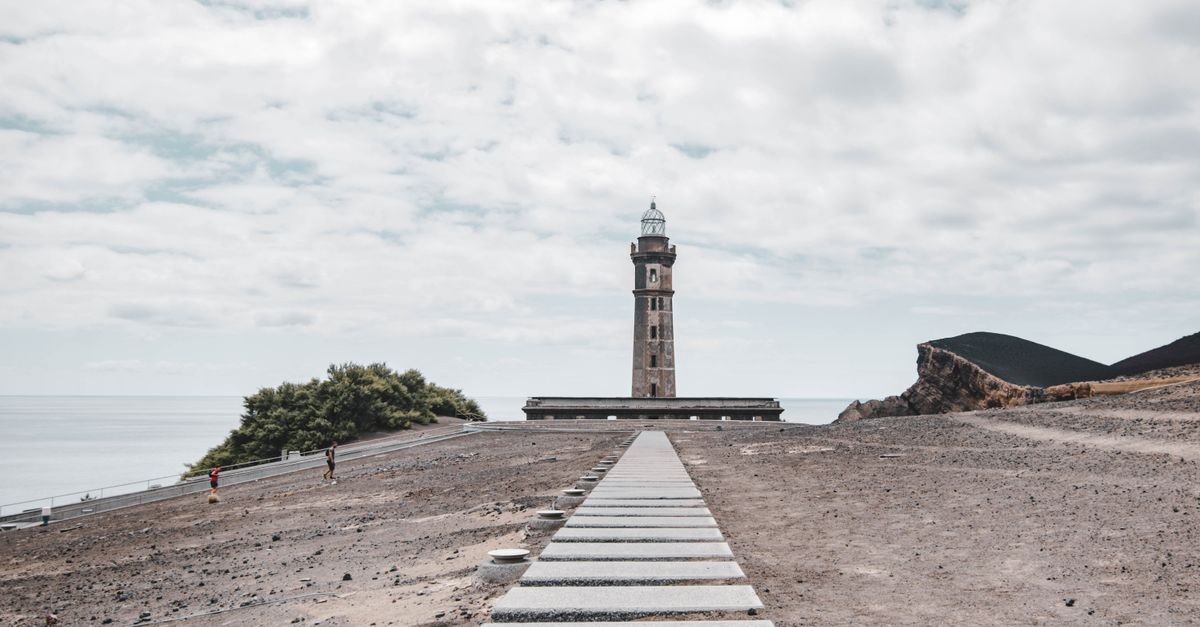
The blue island defined by a deep central caldera, the lunar landscape of the Capelinhos volcano, and a yachting hub in Horta.
