Trip Anchor
Region· Porto & North
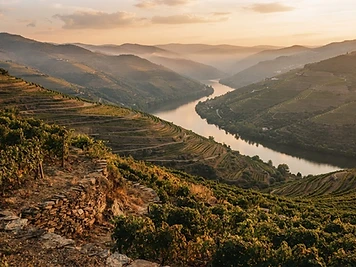
Douro Valley
The world's oldest demarcated wine region — terraced vineyards climbing the banks of the Douro, port's birthplace, and one of the most beautiful river valleys in Europe.
A traveler's guide to the wine regions
Portugal has more indigenous grape varieties and appellations than almost anywhere in Europe, and the wine travel is extraordinary. Here's how to think about it as a trip, not an encyclopedia.
1) Porto + the Douro for port and Douro reds (the classic). 2) The Minho (Viana, Ponte de Lima) for Vinho Verde. 3) The Alentejo (Évora, Estremoz) for big reds and the marble-village wine country. Pick one per trip.
Wine country rewards lingering. Two quintas in two days beats ten tastings in a rush. Always book estate visits ahead in the Douro.
The world's oldest demarcated wine region — terraced vineyards climbing the banks of the Douro, port's birthplace, and one of the most beautiful river valleys in Europe.

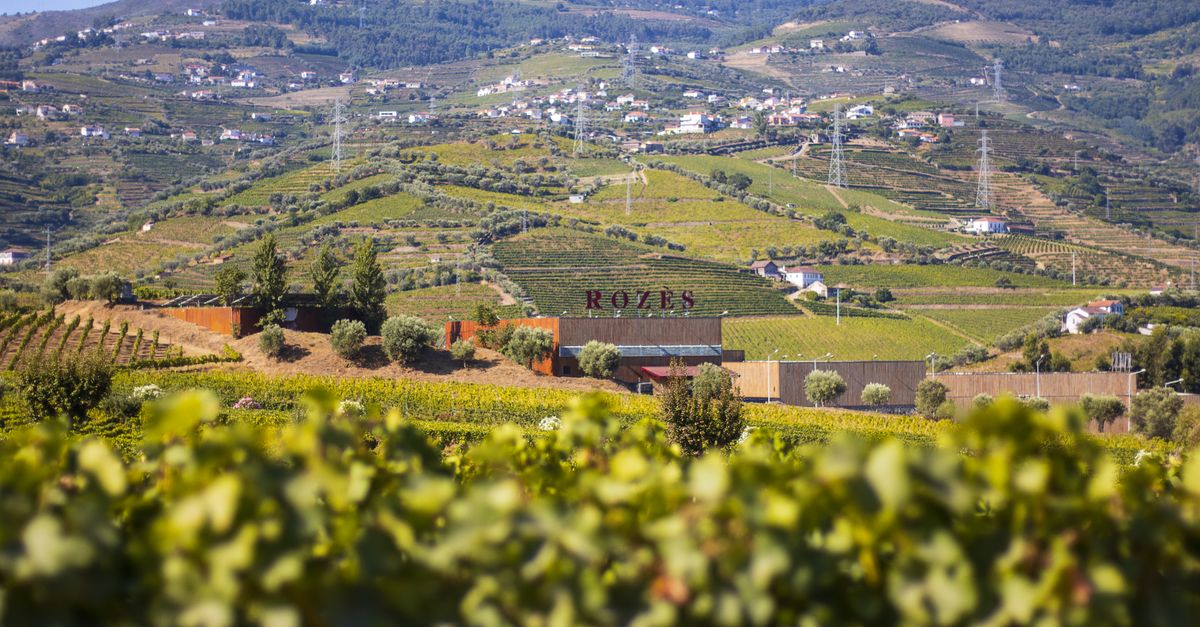
Portugal's primary fortified wine—produced in the Douro, matured in Gaia, and the principal draw for regional tourism.
The low-alcohol, high-acid white wine of the Minho, often bottled with light carbonation; specifically produced for immediate consumption alongside seafood.

A walled university city in the Alentejo plain — Roman temple, bone chapel, whitewashed streets, and the regional capital of slow, serious food and wine.
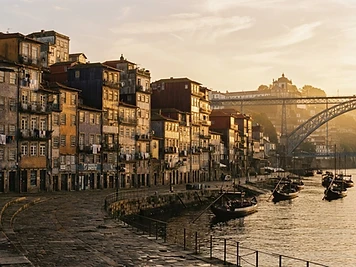
Portugal's second city — granite, port wine, the Douro waterfront and a working, lived-in heart that Lisbon has partly lost to tourism.
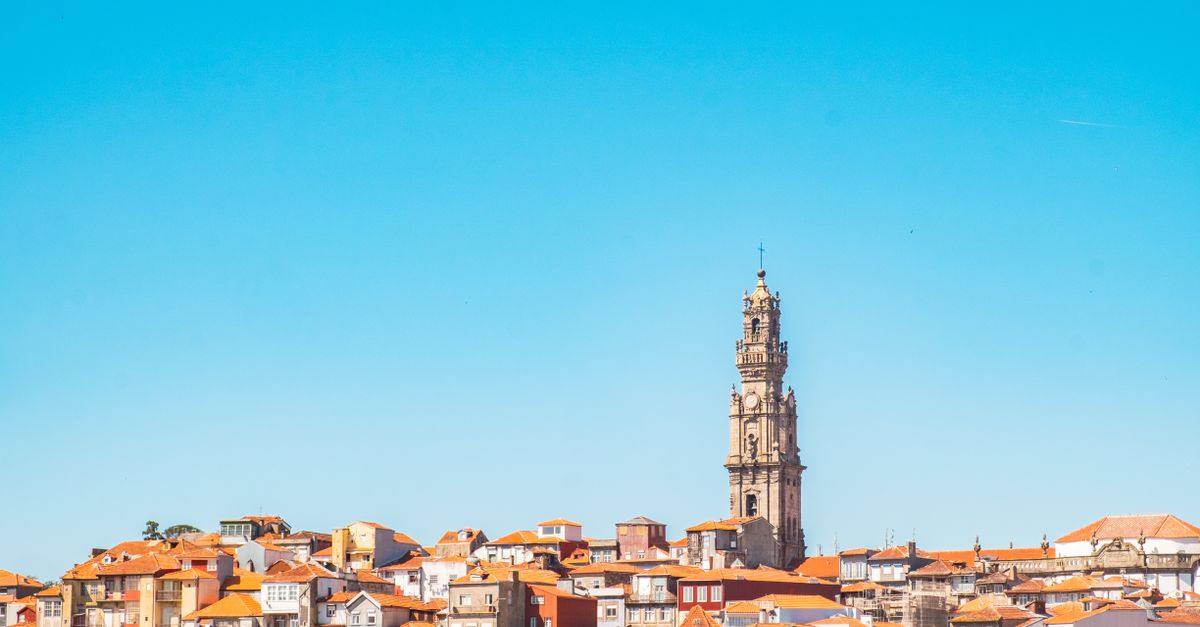
The south bank of the Douro opposite Porto, home to the aging warehouses of the port wine trade and the vantage points overlooking the Ribeira.
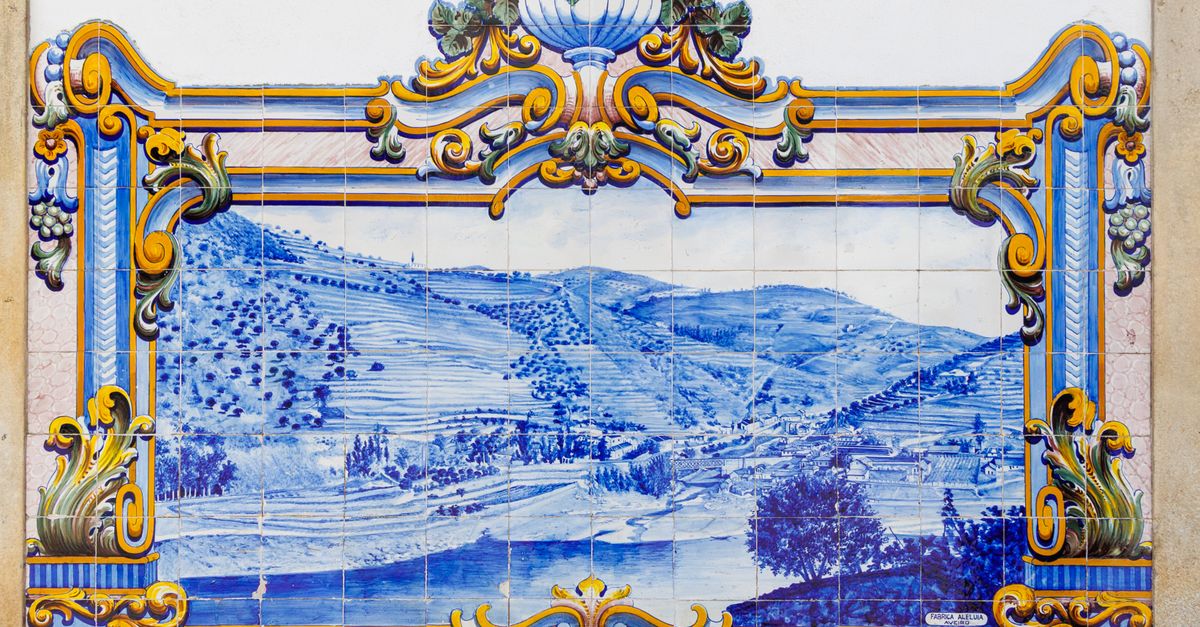
The heart of the Douro — a tiny riverside village with azulejo-clad train station and quintas walking distance apart.
