
Trip Anchor
City· Lisbon
Lisbon
The capital — seven hills, Atlantic light, tile and tram, and a city that lives outdoors. The obvious starting point for almost any Portugal trip.
The train-and-tram trip
You can do a genuinely excellent Portugal trip without ever renting a car — the Lisbon–Porto spine is fast and frequent, and the islands are walkable with tours. Here's where a car matters and where it doesn't.
Lisbon, Porto, Coimbra, Aveiro, Sintra (train from Lisbon), Cascais (train), Évora (train/bus), the Lisbon–Porto rail spine, and Madeira (tours from Funchal).
The Douro Valley's upper reaches, the Alentejo villages (Monsaraz, Marvão), the Costa Vicentina, the Arrábida beaches, the Azores (any island), and the Serra da Estrela.
The capital — seven hills, Atlantic light, tile and tram, and a city that lives outdoors. The obvious starting point for almost any Portugal trip.
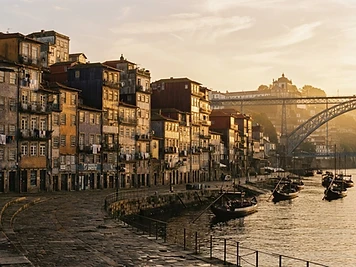
Portugal's second city — granite, port wine, the Douro waterfront and a working, lived-in heart that Lisbon has partly lost to tourism.
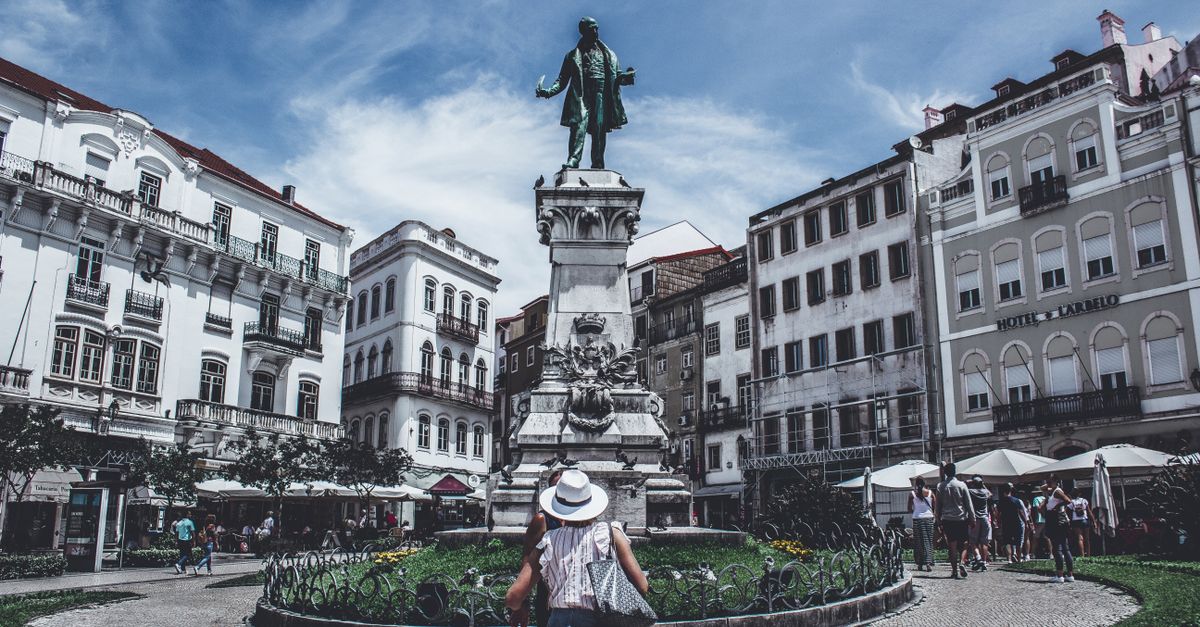
Portugal's medieval capital and university city — a steep, tiled old town above the Mondego, with a baroque library and fado of its own.

A flat canal city on a lagoon — art-nouveau façades, moliceiro boats, and a beach (Costa Nova) a short ride away.

A fairy-tale royal hill town of palaces and forest — the Pena Palace, the Moorish Castle, Quinta da Regaleira, and the mist that makes it all otherworldly.

A former royal resort town at the mouth of the Tagus — beaches, a marina, and an easy, polished base west of Lisbon.
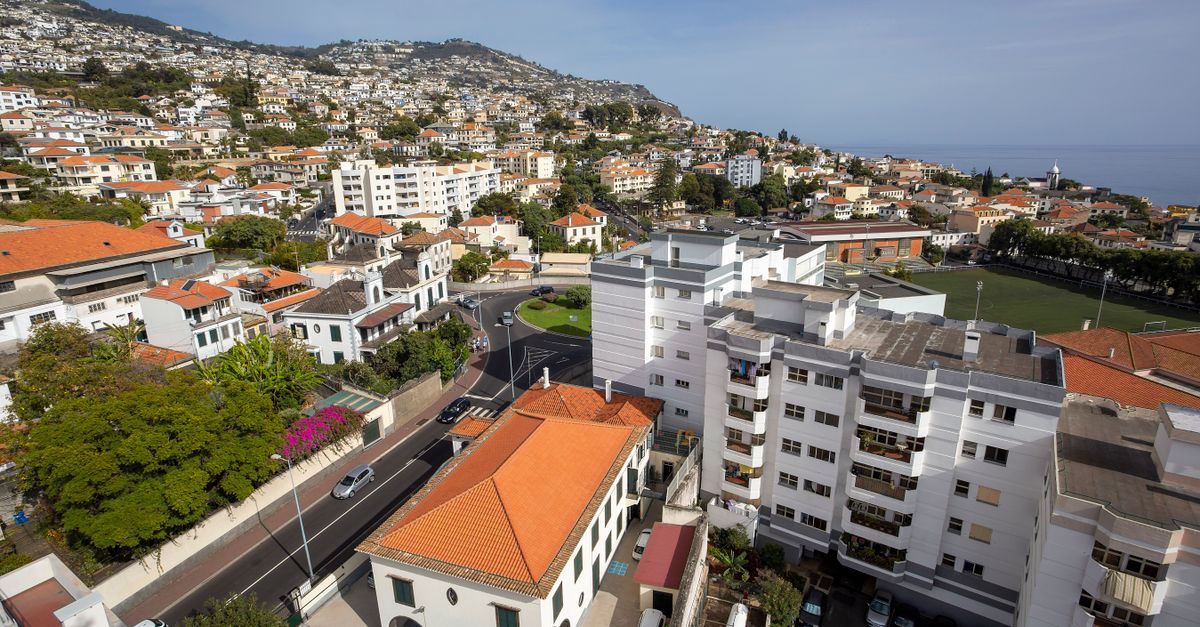
Madeira's capital — a bay city of markets, gardens, wine lodges, and a tiled old town with a spectacular New Year's fireworks show.

The largest Azores island — twin crater lakes, hot springs, tea plantations, and the only island most travelers see. Rightly so.

