Lisbon to Porto via the Douro
A direct rail-linked corridor from Lisbon to Douro wine.
The rail line connecting Lisbon to Porto provides a clean architectural and viticultural cross-section of the country. This route ignores the southern coastline to focus on the stone-heavy centers of power and the terraced river valleys of the north.

Stop by stop
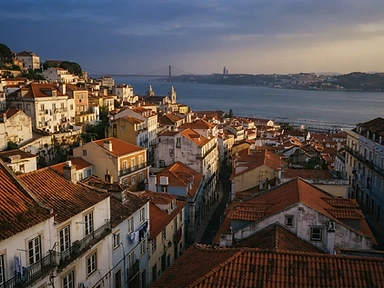
Two nights allows for a focused introduction to the Alfama district and the transit hubs before heading north.
A three-hour stop is sufficient to walk the entire perimeter wall of this fortified village.

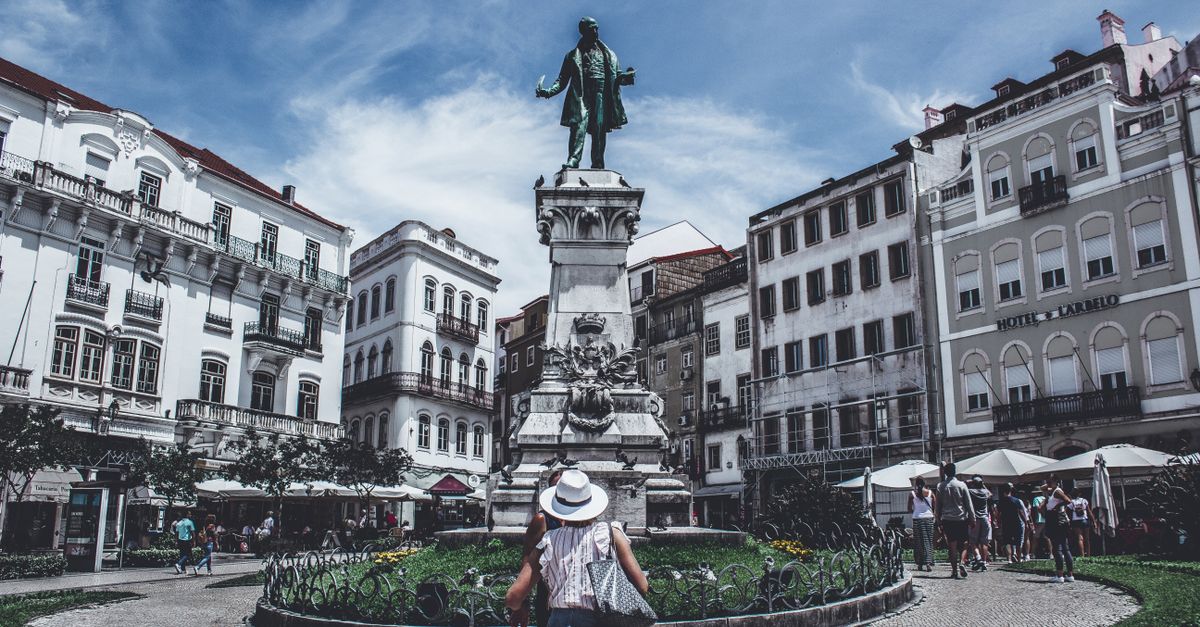
Spend one night here to access the historic university library before the morning train north.
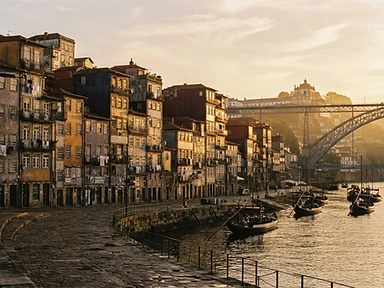
Two nights provide enough time to navigate the riverfront and the port wine cellars of Vila Nova de Gaia.

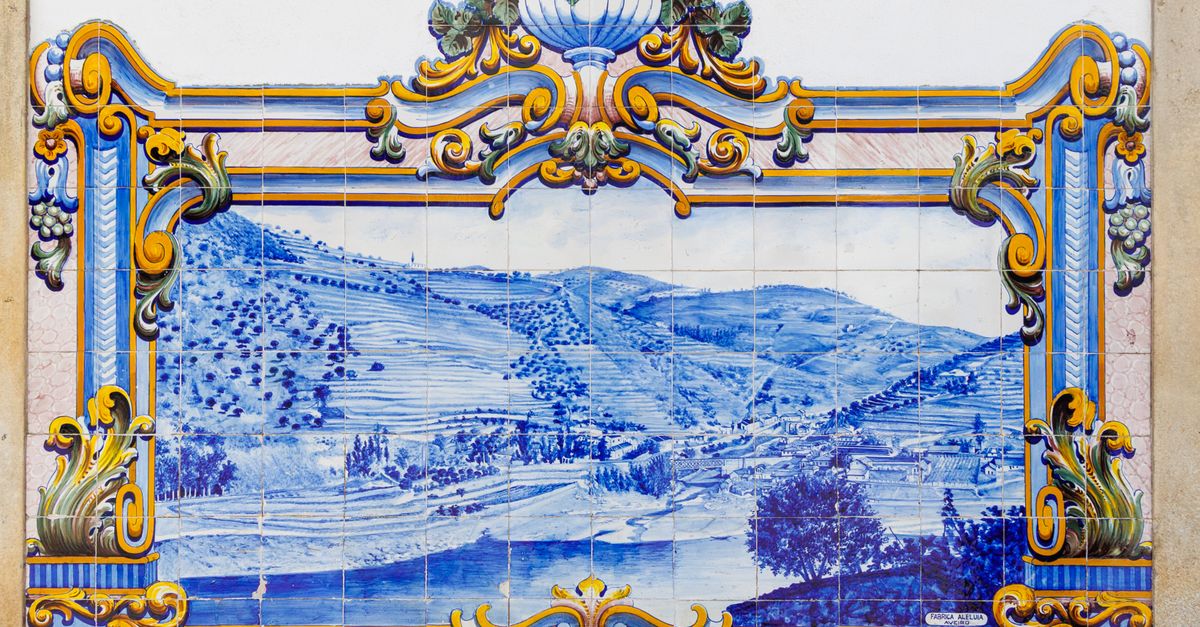
Two nights here removes the rush from the Douro Valley and allows for local vineyard exploration.
The logic
Traveling by train dictates the rhythm of this route. The main line runs efficiently from Lisbon’s Santa Apolónia to Porto, with a necessary transfer to the regional line at Régua for the final stretch into Pinhão. Prioritizing these stops avoids the complexity of driving through dense urban centers, where parking is often expensive and restricted.
Pacing & nights
The heaviest lifting occurs early. Lisbon demands high energy to navigate steep, irregular streets, while the later portion in Pinhão favors stillness and landscape observation. By shifting the base from a metropolitan center to a rural riverside environment, the transition feels like a logical release of tension rather than a frantic movement between transit hubs.
Getting around
The Comboios de Portugal network handles every stop mentioned. Tickets should be purchased in advance for the long-haul Alpha Pendular or Intercidades trains to ensure seat availability. Note that the Douro line is a scenic, slower regional service; carry essential provisions from the Porto station, as dining options on board are limited.
Practical notes
Most travelers underestimate the verticality of Portuguese cities. Footwear choice determines the quality of the stay; leave dress shoes for dinner. When visiting the wine estates in Pinhão, confirm appointments for tastings 48 hours in advance, as many smaller producers are not staffed for walk-ins.
We may earn a commission from bookings made through these links. It never changes what we recommend, or what we leave out.