The Alentejo to Algarve slow road
Traversing the quiet Alentejo plains to the rugged Algarve coast
The Alentejo interior demands a slower tempo before the transition to the Atlantic cliffs of the southern coast. This route favors landscape and history over the density of Lisbon or the central beach strips.

Stop by stop
Two nights here allow for full days to navigate the walled center and surrounding megalithic sites.
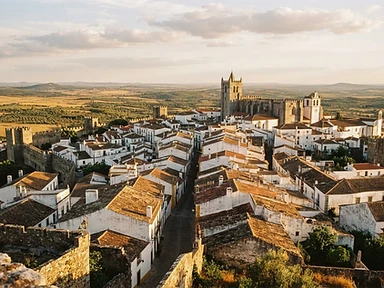
Allocate three hours for this hilltop fortification, which serves as a definitive vantage point over the Alqueva reservoir.

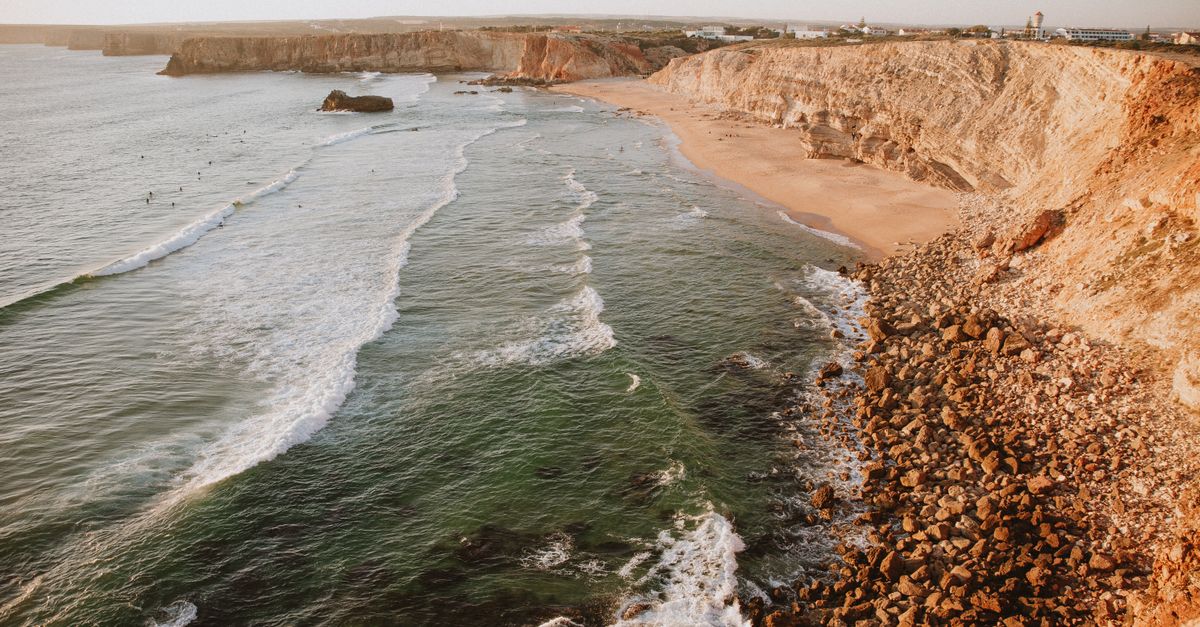
Two nights on the extreme southwestern tip provides proximity to the wind-battered coastline and the Fortaleza.
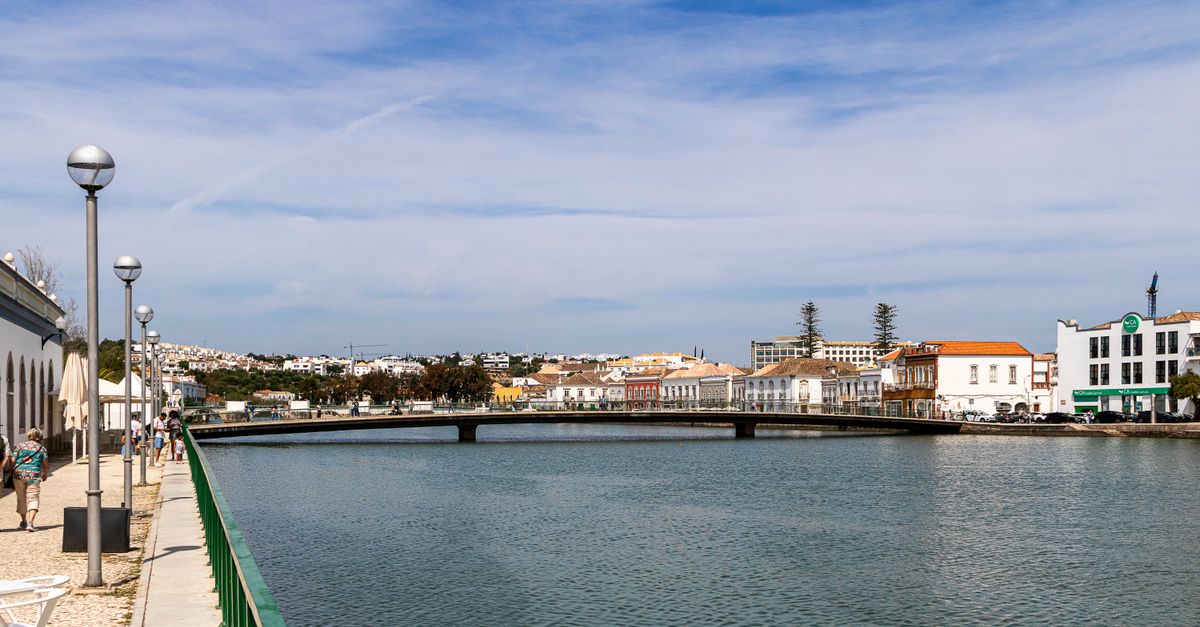
Spend two nights in the east to access the Ria Formosa islands, a starkly different environment from the western cliffs.
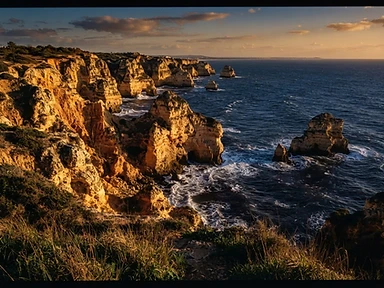
A half-day detour is sufficient to observe the coastal rock formations, though the town density often overwhelms the site.

The logic
The interior of the Alentejo offers a spatial release compared to the urban concentrations of the north. By starting in Évora, the journey anchors itself in Roman and medieval history before migrating toward the extreme south. The Algarve segment emphasizes geography—specifically the difference between the wild western Atlantic exposure and the flatter, lagoon-sheltered eastern side of Tavira.
Pacing & nights
Six days is the absolute minimum to avoid driving exhaustion. Distances in the Alentejo are deceptively long due to secondary road maintenance and agricultural traffic. By splitting the stay between the arid central plains and the two distinct faces of the Algarve, the itinerary prioritizes quality of time at the coast over the quantity of sights.
Getting around
A car is necessary to move between the Alentejo sites. Trains do not serve the interior reliably, and buses will tie a traveler to inflexible schedules. Once in the Algarve, the car remains essential to reach the specific beaches west of Sagres or the ferry points for the islands near Tavira.
Practical notes
Spring and autumn are the only logical seasons for this crossing. Summer temperatures in the Alentejo often exceed 40 degrees Celsius, rendering outdoor exploration of ruins or fields physically draining. Ensure vehicle rental agreements allow for one-way drop-offs if returning to Lisbon or Faro, as cross-border returns are rare.
We may earn a commission from bookings made through these links. It never changes what we recommend, or what we leave out.